
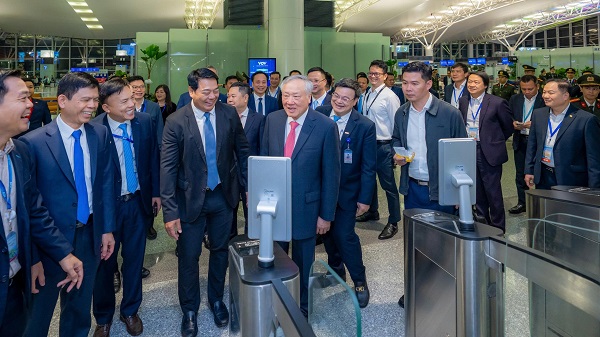
On the morning of December 19, ACV held the inauguration ceremony of the T2 International Passenger Terminal expansion project, Noi Bai Airport.
Deputy Prime Minister Nguyen Hoa Binh attended and cut the ribbon to inaugurate the project.
On the same day, Vietnam Railway Corporation inaugurated the modernization project of 162 passenger carriages. The Corporation also started and inaugurated 2 projects including: Digital transformation project: Deploying Chatbot application, Voice chat with AI technology application in customer care and Green transformation project: Testing B5 bio-diesel Diesel fuel on D12E locomotive (Hanoi - Hai Phong route).
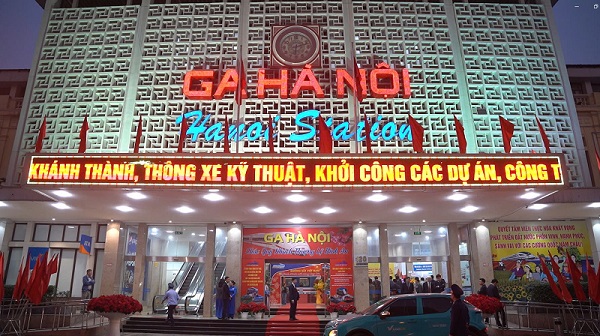
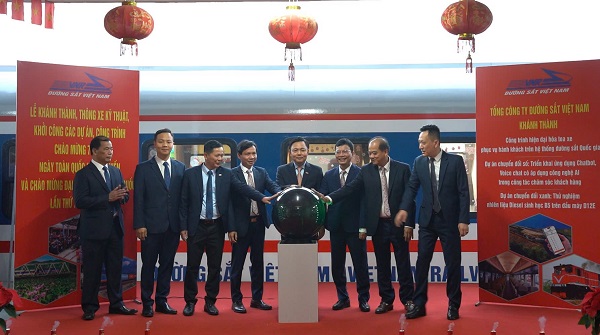
According to Vietnam Railway Corporation, the synchronous operation of 162 upgraded and comprehensively renovated carriages, with a total investment of more than 60 billion VND and a construction period of about 3 months, marks the Corporation's efforts and determination in improving the quality of passenger transport services.
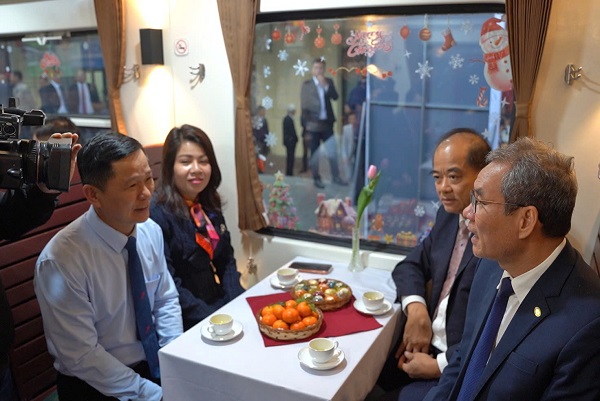
Immediately after the inauguration ceremony, trains SE5 (in Hanoi) and SE6 (in Saigon) with a new look were officially rolled up, serving passengers on the Thong Nhat railway line; Next, the upgraded and renovated carriages will be put into operation in trains SE1/2, SE3/4, SE7/8 and SE19/20 to promptly serve passengers during the 2026 Lunar New Year.
Previously, Lao Dong Newspaper reported on the project to expand the T2 International Passenger Terminal, Noi Bai Airport. The project started in May 2024 and was completed after just over 18 months of continuous construction.
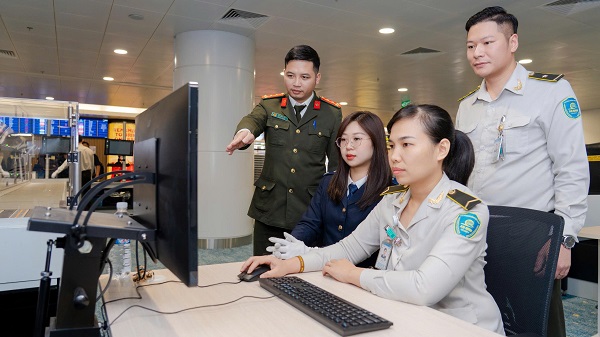
According to the representative of Noi Bai airport, the inauguration of the project at this time is of special significance, promptly relieving the overload pressure on the largest gateway in the North before the peak of Tet and the 2026 tourist season.
The project helps increase the total floor area of the terminal to more than 200,000 m2, increasing the operating capacity from 10 million to 15 million passengers/year (and can serve up to 18 million passengers/year), adding the operating capacity with train departure increasing from 17 to 30, cable-stayed pipelines increasing from 14 to 27 to meet the growing international transport demand.


