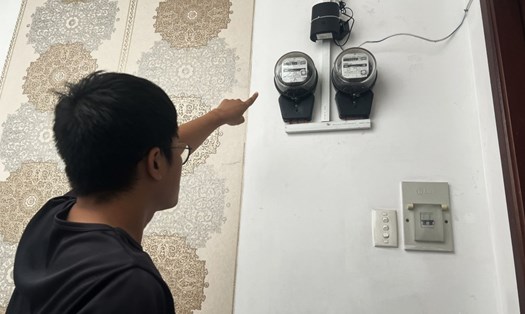
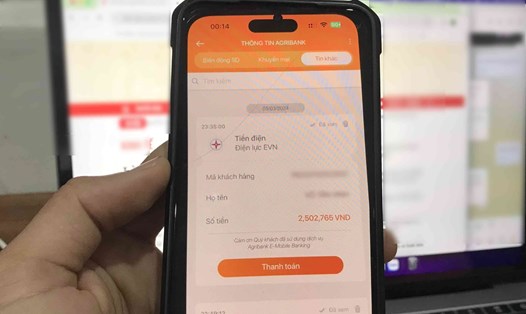
At the socio-economic press conference on the afternoon of April 2, Mr. Bui Trung Kien - Deputy General Director of Ho Chi Minh City Power Corporation - said that the electricity bill increase in March stemmed from many factors, in which weather played a key role.
According to Mr. Kien, February only has 28 days, coinciding with the Lunar New Year holiday lasting about 10 days, many families leave the city, production and business activities are temporarily suspended, so electricity demand decreases sharply. Meanwhile, March has up to 31 days, and the weather is starting to enter a hot period, causing electricity consumption to increase significantly.
In fact, on March 31, 2026 alone, electricity consumption in the Ho Chi Minh City area (old area) exceeded 100 million kWh - a level that usually only appears during the peak heat of April - May. This shows that electricity demand is increasing rapidly right from the beginning of the dry season.
It is forecast that in April, when temperatures may reach 37–40 degrees Celsius and sunshine lasts day and night, average daily electricity consumption will continue to increase.
One of the main reasons for the "escalating" electricity bills is that cooling devices have to operate with higher intensity. Notably, air conditioners often account for 40% to 60% of the total electricity consumption of households. When the outdoor temperature rises, people tend to use air conditioners longer, lower the temperature deeper, or use more devices at the same time, causing electricity consumption to increase sharply.
Not only that, the cooling efficiency of air conditioners is also affected when the environment is too hot, forcing the compressor to operate continuously, thereby consuming more electricity.
Other devices such as refrigerators and freezers also consume more electricity because they have to operate regularly to maintain temperature in high environmental temperature conditions. Opening the refrigerator many times in the hot season also causes the device to have to refrigerate continuously, increasing electricity consumption.
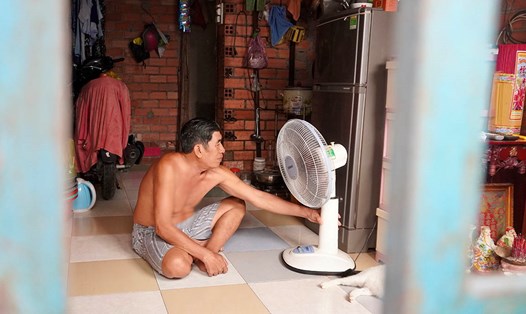
In addition, devices such as electric fans, ceiling fans, dew fans... are used almost continuously, plus the increased use of televisions, computers and entertainment devices when people are more at home also contributes to pushing the total electricity consumption up.
Another noteworthy factor is the tiered electricity price calculation mechanism. When electricity output exceeds the prescribed thresholds, the additional electricity consumption will be calculated at a higher price, causing the total electricity bill to increase faster than the output increase.
According to Mr. Bui Trung Kien, in hot weather conditions, electricity bills increase not only because of "more use" but also because equipment has to operate more and is less efficient.
To limit costs in the peak season, Mr. Bui Trung Kien recommends that people and businesses should proactively use electricity economically, regularly monitor consumption output and adjust reasonable living habits, especially in the upcoming hot months.