
Prioritize roads that people need, places where people agree
Ca Mau Provincial Party Committee issued Resolution 16-NQ/TU on building rural transport in the 2026-2030 period, aiming to complete the road network to hamlets and villages.
Standing Deputy Secretary of the Ca Mau Provincial Party Committee Huynh Quoc Viet, Head of the Steering Committee for the implementation of Resolution 16-NQ/TU, requested to carefully review the current situation and traffic needs in each area to develop a list of suitable projects, clearly identify priorities and investment roadmaps.
According to Mr. Huynh Quoc Viet, investment must be focused and key, implemented according to the principle of "road to where, bridge to there", without evenly distributing resources, without spreading investment. Routes with complete roadbeds, people agreeing to donate land, and capable of performing counterpart tasks will be prioritized.
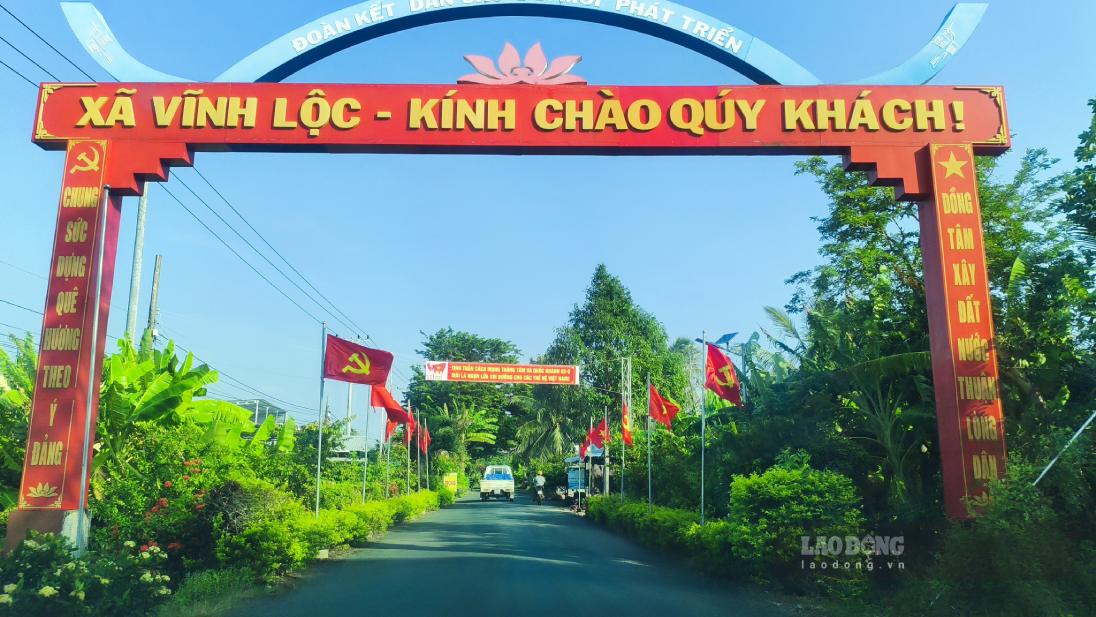
Ca Mau Provincial People's Committee has approved the rural transport development project for the period 2026-2030 with a total cost demand of about 14,048 billion VND. Of which, the state budget is about 12,397 billion VND, socialization is 1,421 billion VND for bridge construction and repair, and people's participation is about 230 billion VND.
In the 2026-2027 period, the province focuses on concretizing 1,251 roads, about 2,160km long; preparing roadbeds and culverts for 815 routes, about 1,437km long. At the same time, building and repairing about 738 bridges, 8,064 culverts.
In the 2028-2030 period, the province upgrades 538 degraded and flooded routes with a length of about 1,072km; expands and upgrades 1,485 inter-commune and inter-hamlet connection routes, about 3,801km long.
Routes serving densely populated residential areas, schools, medical facilities, administrative centers, and concentrated production areas are prioritized. Routes directly connected to provincial roads, national highways or serving flood and landslide prevention and control are prioritized.
Mobilizing people to contribute but not equality
People can participate in many forms such as donating land, relocating works, building roadbeds themselves, making culverts for production, contributing money, materials or working days. The corresponding contribution level is determined to be 0%, 10%, 20% or 30%, depending on the conditions of each locality and each route.
Accordingly, households with conditions can contribute more; households in difficulty can contribute less or not have to contribute money. The mobilization must ensure the principles of voluntariness, democracy, publicity, and no coercion.
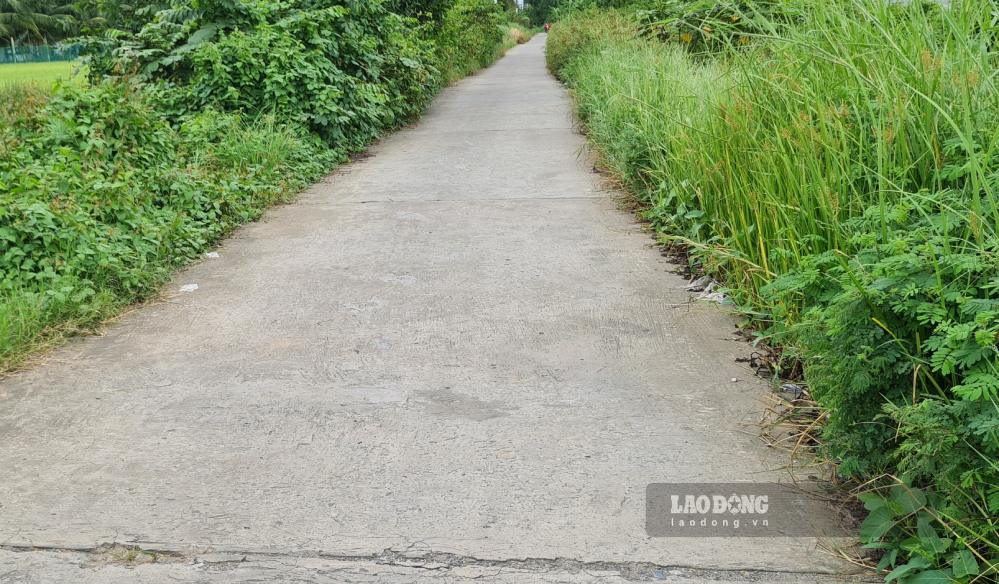
Mr. Le Hoang Vu, Vice Chairman of Vinh Loc Commune People's Committee, said that before deploying each route, the locality organizes people's meetings to publicize plans, record the level of consensus on land donation, relocation of works, and implement counterpart tasks. Data must reflect reality, not mobilize beyond the people's capacity.
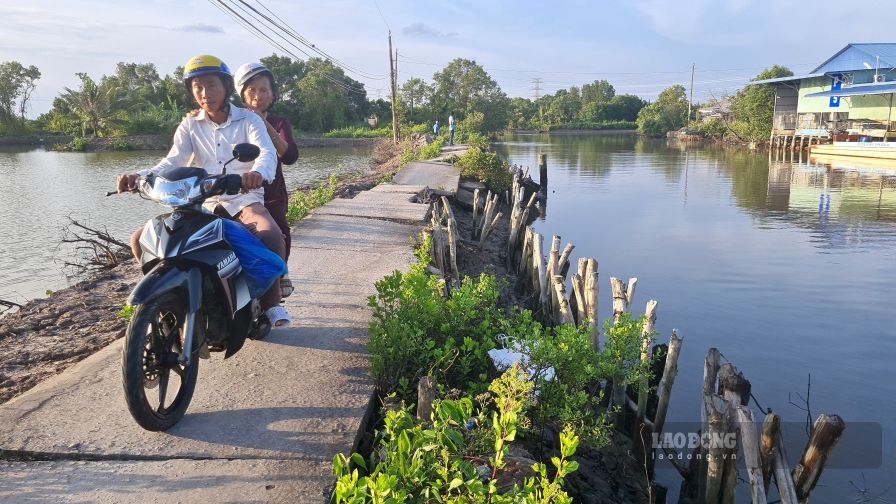
The Steering Committee also requested to develop specific plans to mobilize people to agree to donate land and contribute resources; promote socialization, especially mobilizing businesses, organizations, and individuals to sponsor the construction and repair of rural traffic bridges.
With low terrain, many rivers and canals, weak soil, and frequently affected by landslides, subsidence, and flooding, the works must be designed to suit each area. The scale of roads, elevation, bridges, and culverts must both ensure traffic and not affect flow and production.
The goal by 2030 is not only to bring concrete roads to 100% of hamlets and villages but also to form a transportation network connecting residential areas and production areas with major roads, creating convenience for people to travel and transport goods.


