
Steel bridge spans on the Red River
From the remote border region of Lung Po (Lao Cai) down to the Northern Delta, the Red River not only silted up a vast delta but also witnessed the history of Vietnam's transport development through bridge spans.
In that journey, the bridges with iron and steel structures left a special mark.
Each bridge is a milestone in construction techniques, and is associated with the changes of the country and the memories of people on both sides of the river.
The story can start from Long Bien Bridge.
Built in the years 1899-1902, Long Bien is the first steel bridge across the Red River in Hanoi. The project is more than 2 km long including both the bridge and the access road, including 19 spans of steel beams.
The bridge is designed with a railway running in the middle, both sides for roads and pedestrians. When completed, Long Bien became a particularly important traffic project, connecting Hanoi with Gia Lam and expanding the railway network to the northern provinces.
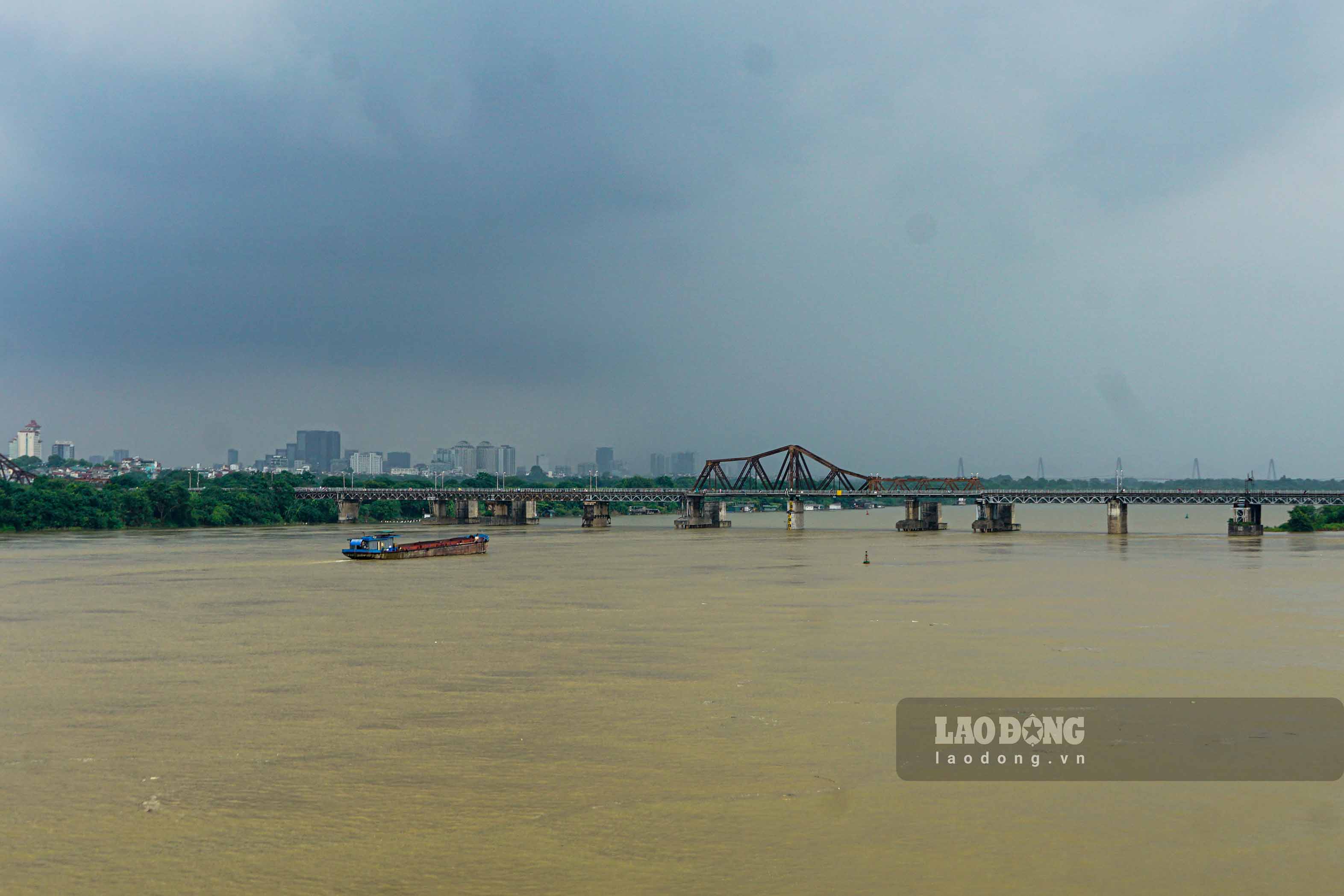
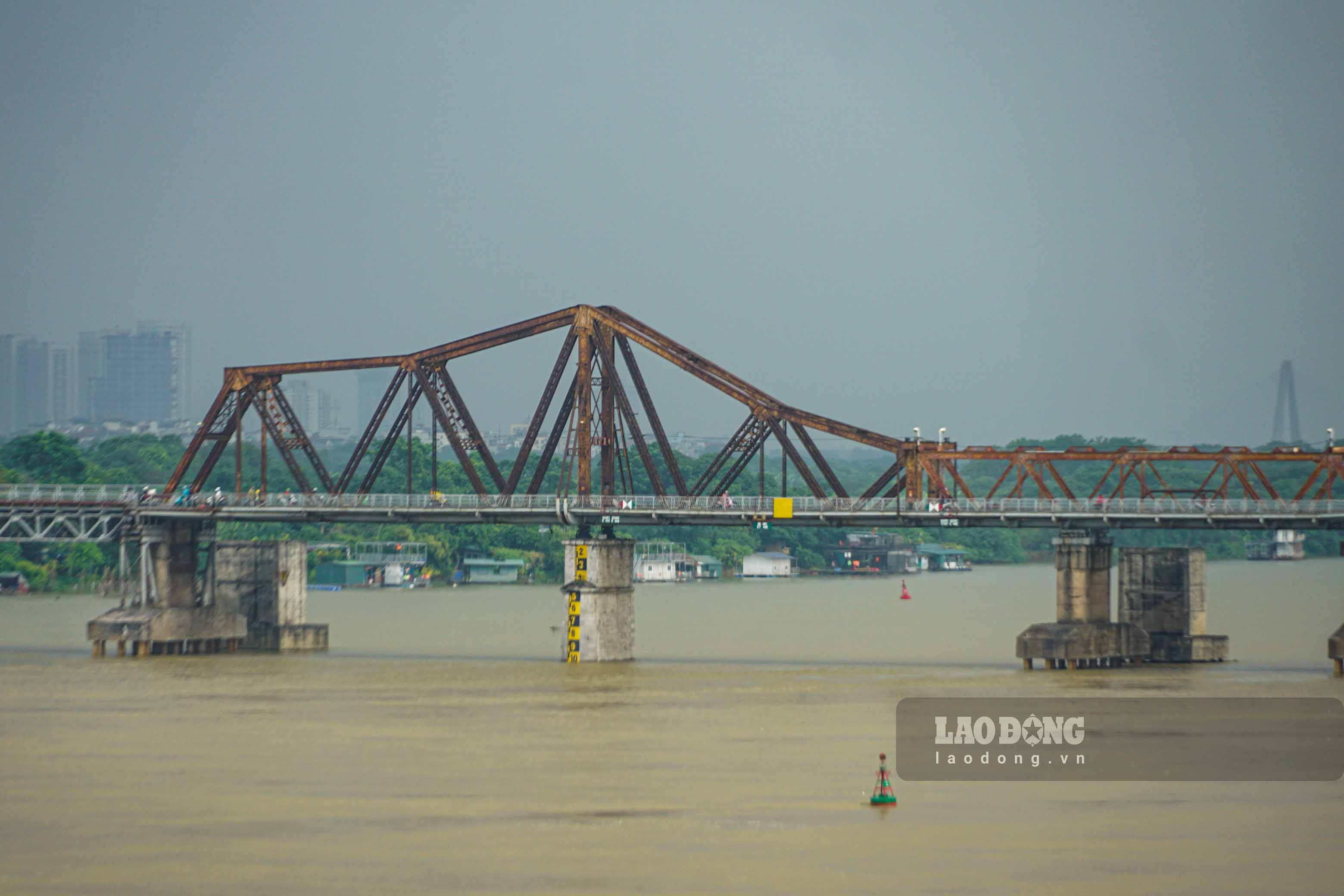
More than a century later, those steel spans are still present. Long Bien once suffered from bombs and bullets of war, many times damaged, but still became an inseparable part of Hanoi and a witness to the changes of the city.
After Long Bien, the need to connect the two banks of the Red River is increasing. New bridges have appeared one after another, carrying construction techniques of each period.
Thang Long Bridge, started in 1974 and inaugurated in 1985, is a typical project with a two-story steel truss structure.
The upper floor is for motorized vehicles, the lower floor is for railways and rudimentary vehicles. After many repairs, the bridge still plays the role of an important gateway connecting Hanoi with Noi Bai airport and northern provinces.
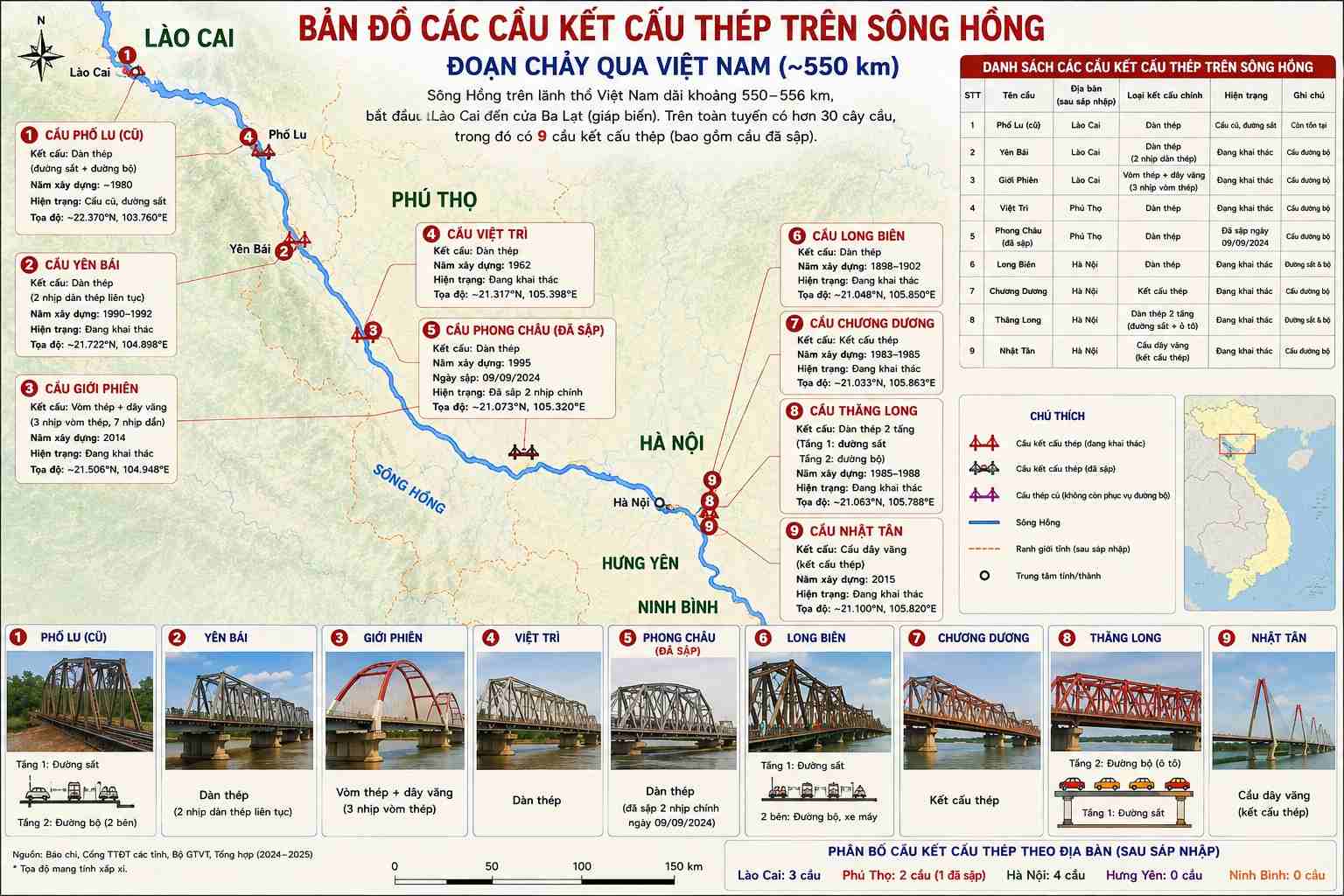
Also in 1985, Chuong Duong bridge was completed, marking a remarkable development when the project was designed and constructed by a team of Vietnamese engineers and workers during the country's reconstruction period.
Those bridges not only solve the traffic problem. They also mark a period when each river-crossing project carried the aspiration to connect and develop.
When the steel rhythm becomes memory
Leaving Hanoi towards the upstream, steel-structured bridges continue to appear.
In Phu Tho, the old Phong Chau bridge was once an important link on National Highway 32C. Inaugurated on July 28, 1995, the bridge is 375.36 m long with a steel truss structure.
For nearly three decades, steel spans connecting the two banks of the Red River, until the morning of September 9, 2024, when floods caused one pillar and two main truss spans to be swept away.
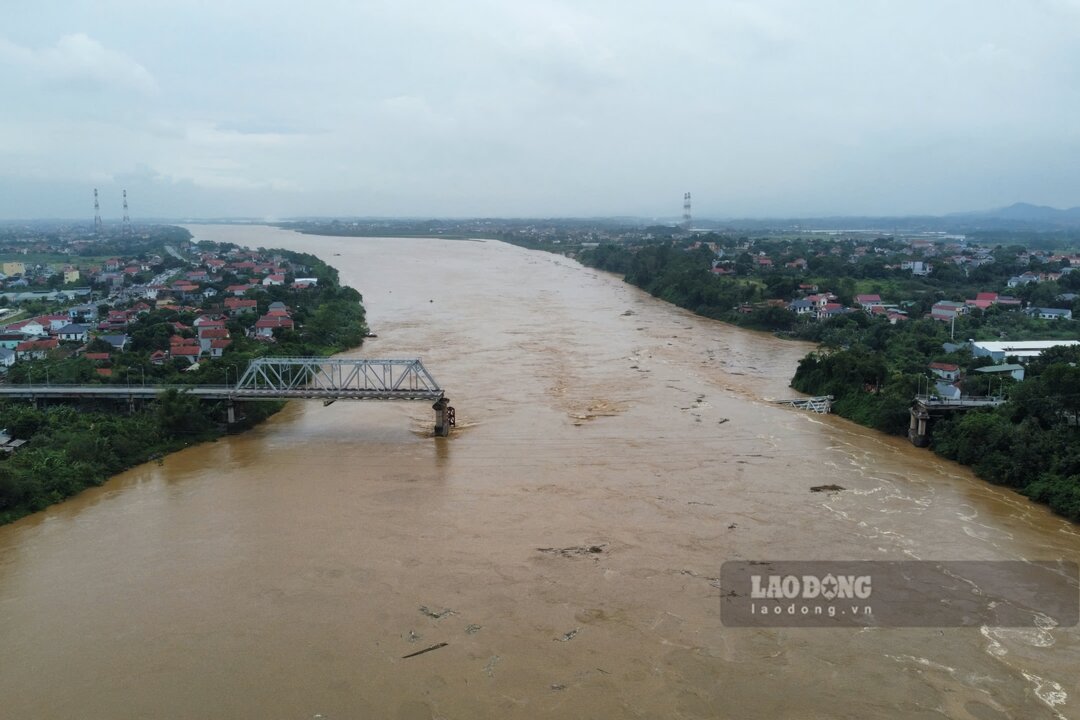
The old bridge was then replaced by a new 652 m long structure, using reinforced concrete and prestressed reinforced concrete structures, completed in 2025.
The story of Phong Chau shows that steel bridges are not just technical works. For the people, it is also a part of the landscape, a part of memories that have been attached for many years.
Yen Bai bridge, completed in 1992, also uses prestressed reinforced concrete structure combined with steel trusses. After more than 30 years of operation, the project has deteriorated and the locality has a policy to invest in building a new bridge.
Mr. Le Xuan Hoat (Yen Bai ward) shared: "Yen Bai Bridge was put into use in 1992, replacing the historic Au Lau ferry terminal and has become part of the people's memory.
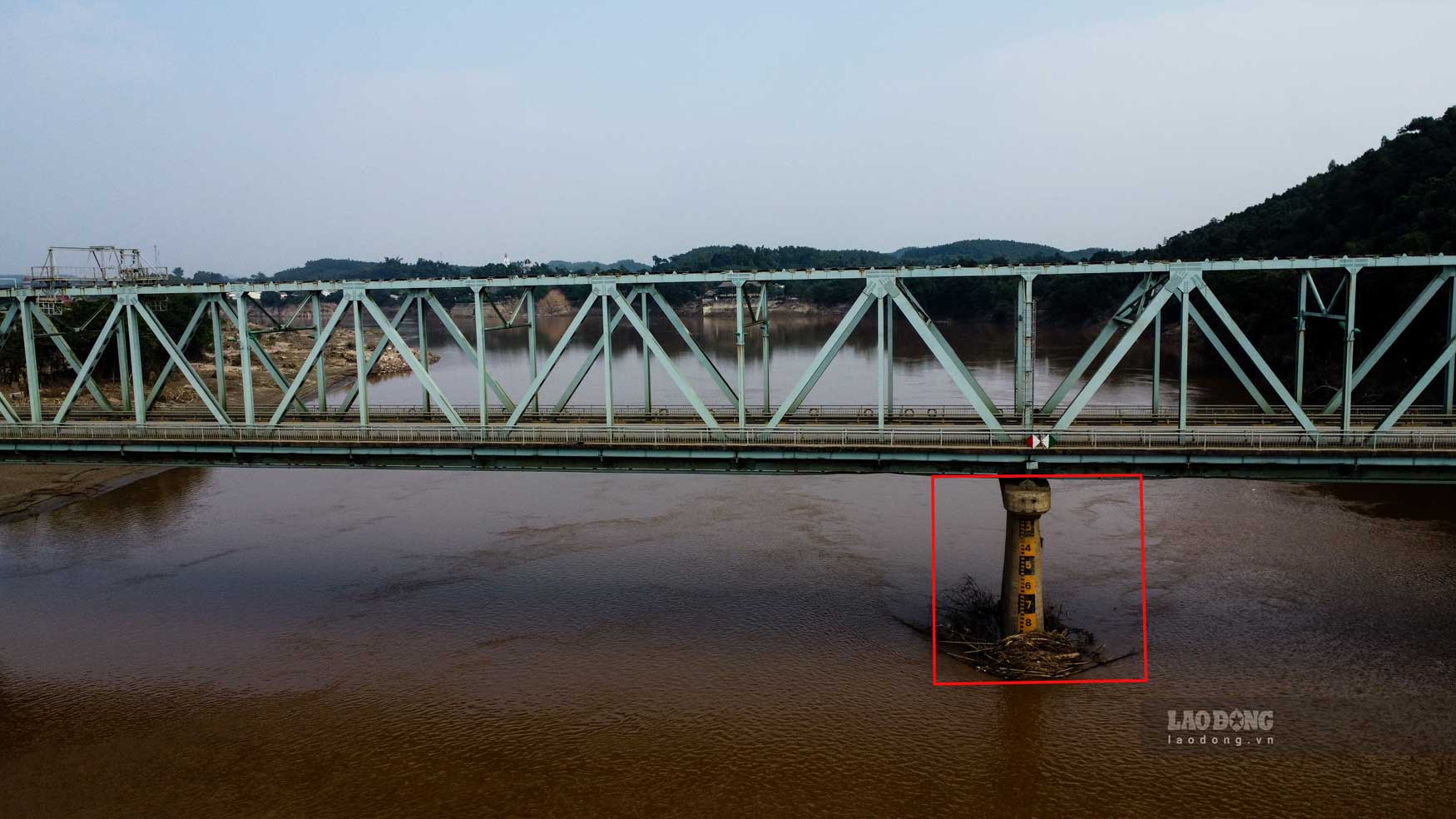
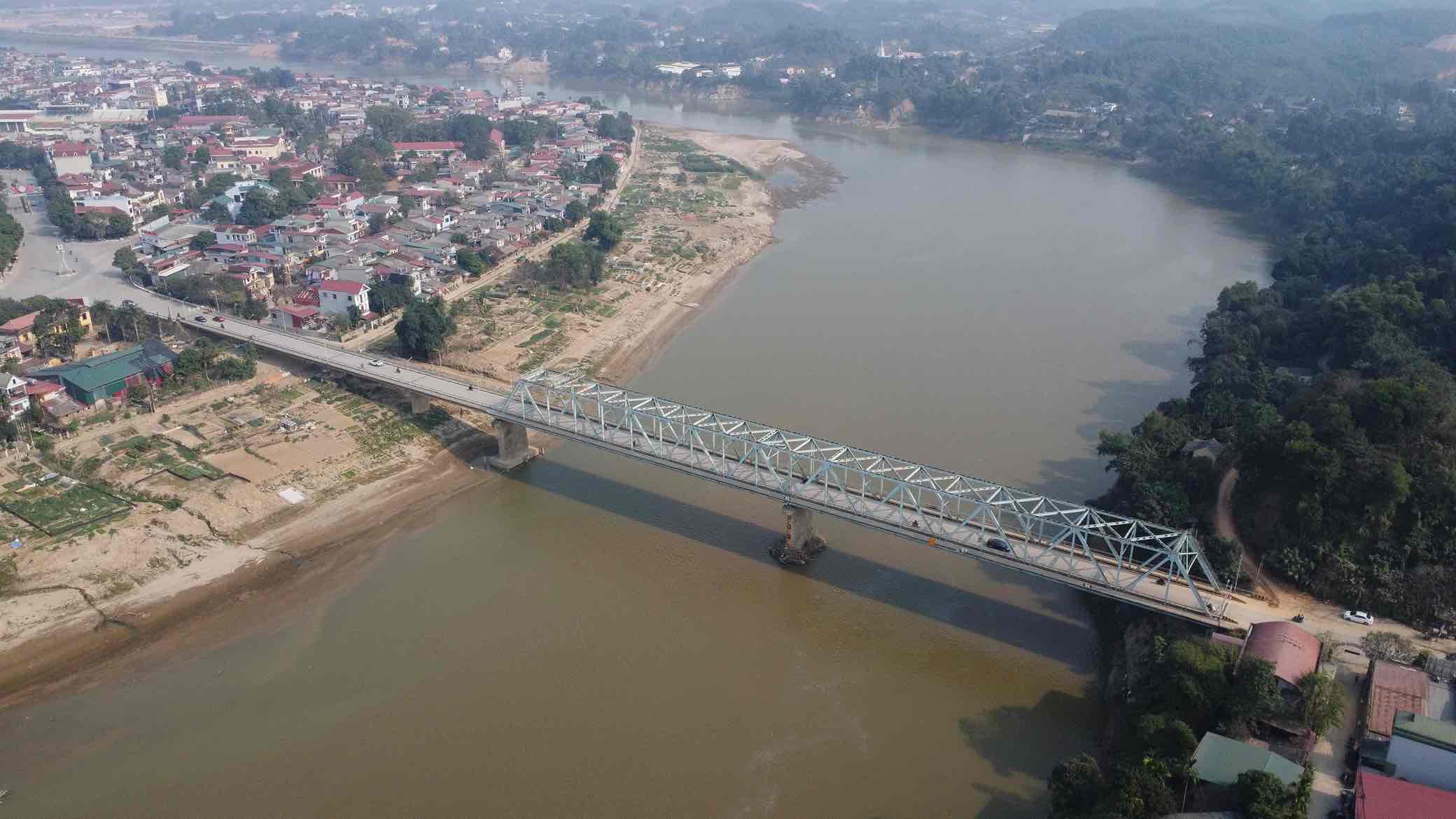
From Long Bien to Phong Chau, the steel spans on the Red River have passed through different periods of the country. Some bridges are still standing there, some bridges have disappeared after natural disasters, and some bridges are waiting to be replaced.
The river still flows, new bridges continue to be built.
But the iron and steel spans that once connected the two banks of the Red River still hold a special position: they not only connect regions but also connect the past with the present, becoming milestones of traffic history and community memories.


