The Hoa Binh lake area (Phu Tho province) with a water surface area of about 8,000 ha, a length of nearly 230 km, creates a dense system of small islands and bays, with favorable conditions for developing ecotourism, resorts and community experiences.
Lakeside communes such as Muong Hoa, Thung Nai... are considered a new tourist space as they both possess unique landscapes and are large-scale seafood production areas.
According to Muong Hoa Commune People's Committee, currently the whole commune has 609 fish cages, with an output of more than 780 tons per year.
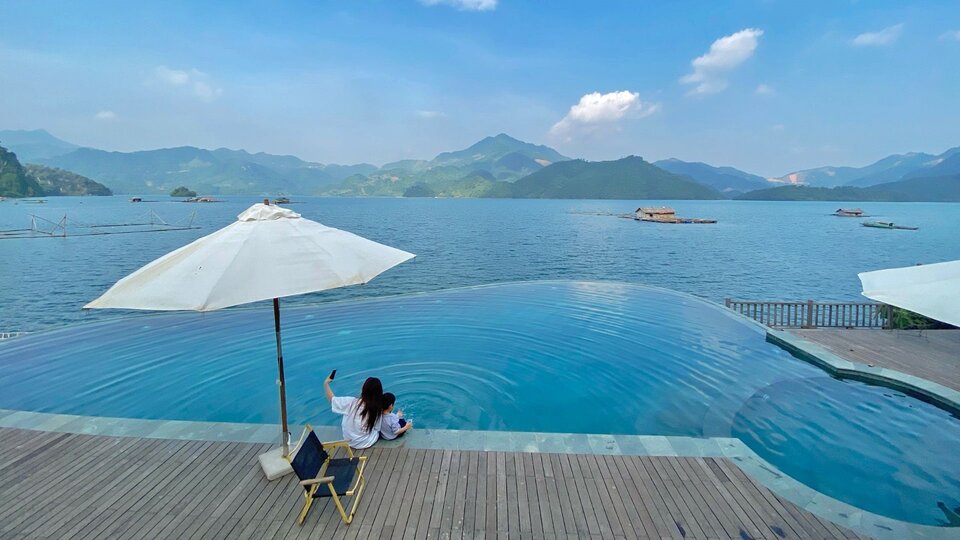
Taking advantage of the wide water surface, Muong Hoa has attracted 5 eco-tourism and resort projects, one of which has been put into operation, welcoming visitors to visit and experience.
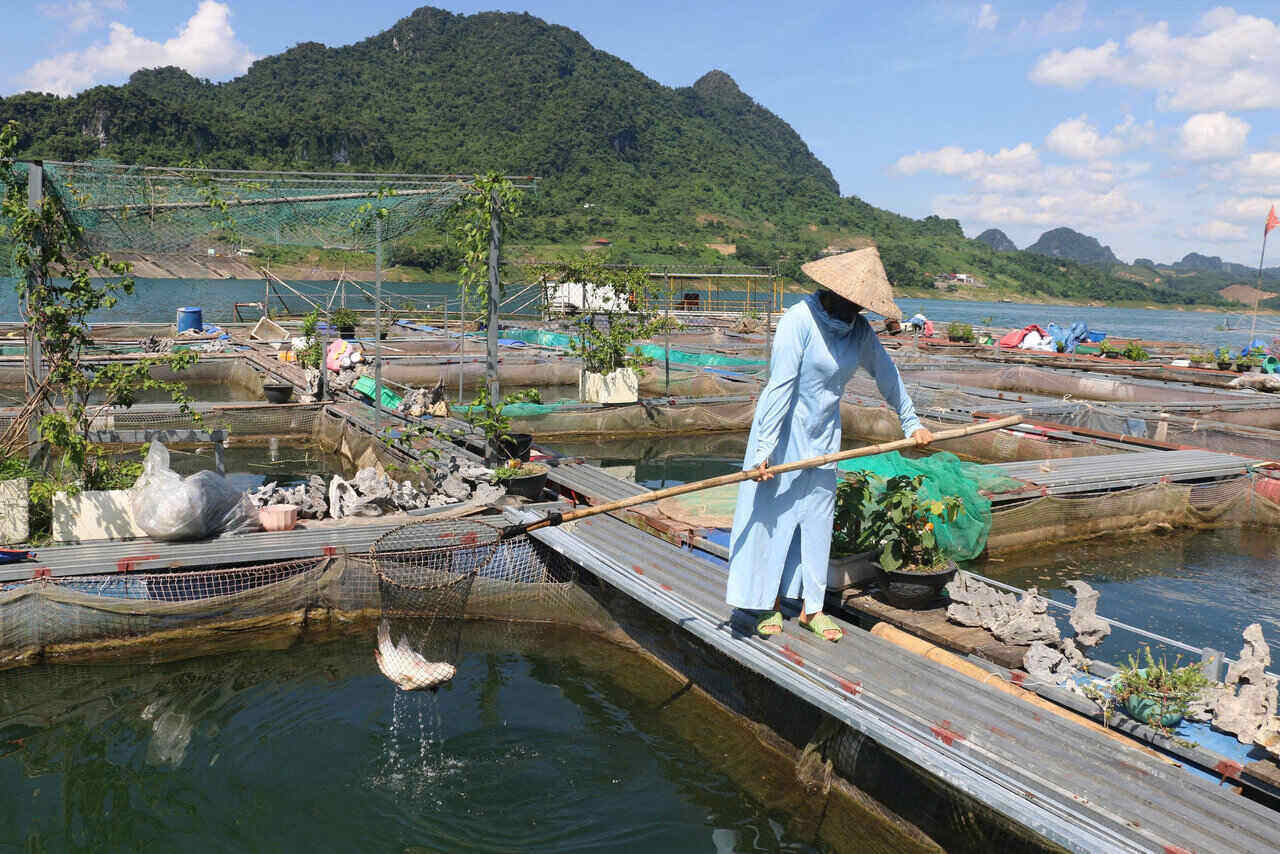
Some households have combined fish farming with tourism services, opening up new directions for the local economy.
Mr. Phung Van Luong - a resident of Ngoi hamlet - said that his family currently raises 10 fish cages and also provides transportation services for visitors to Ngoi Hoa Bay.
“Previously, we only relied on fishing, life was precarious. Now with the profession of transporting passengers, income is more stable, but the important thing is to keep the lake environment clean so that tourism can develop,” he said.
However, according to Mr. Luong, recently many cage fish farming households have faced difficulties due to reduced consumption, increased costs, and unstable output, although this is the main livelihood.
Traditional markets are shrinking, competing from fish sources elsewhere, while trade connection activities are still limited, causing product consumption to slower than before.
Talking to PV, Mr. Ngo Ngoc My - Chairman of Muong Hoa Commune People's Committee - said: "The locality is orienting dual development, both expanding aquaculture and building unique tourism products. The goal is to form a stable consumption chain, creating sustainable livelihoods for local people.
According to Mr. My, tourists can visit, experience cage fish farming and enjoy lake fish specialties right at the raft, thereby opening up a more stable consumption direction. The government also coordinates with trade promotion units to connect and expand markets for local products.
Not only Muong Hoa, in Thung Nai commune - which is likened to "Ha Long on land" - lake tourism is creating more job opportunities for people.
Many households renovate stilt houses, invest in homestays, rafts to welcome overnight guests, contributing to creating additional income outside of agriculture.
However, rapid development also poses many challenges such as tourism waste, infrastructure pressure, and the risk of water surface pollution. The planning of cage fish farming areas needs to be reasonably calculated to avoid environmental pressure, while the port and wharf system, and lakeside transportation are still limited, making regional connections inconvenient.
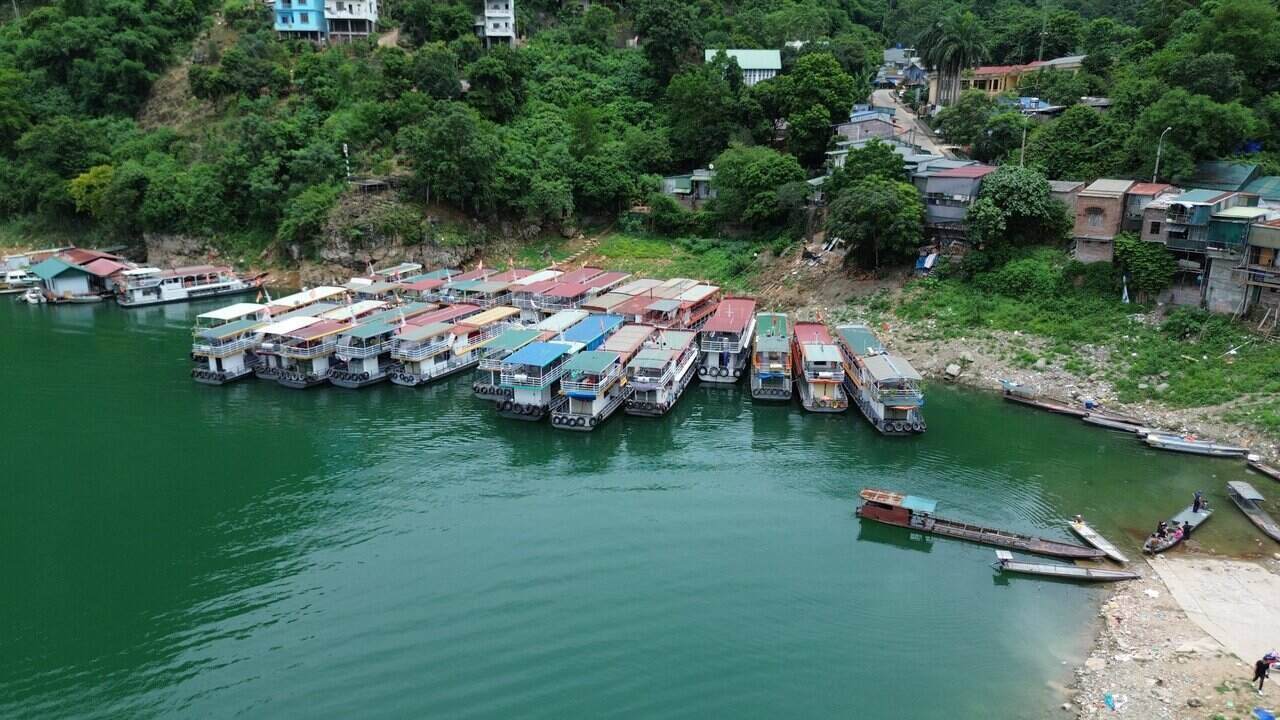
According to Mr. Nguyen Tran Anh - Secretary of the Party Committee of Thung Nai commune - in the coming time, the commune will focus on re-planning the farming area, investing in boat wharves, lakeside roads...
The goal by 2030 is for the locality to strive to meet advanced new rural standards, develop agriculture, tourism and services to become pillars, associated with preserving cultural identity and protecting the ecological environment" - Mr. Tran Anh informed.
Developing tourism and aquaculture along Hoa Binh Lake is opening up new opportunities for people. However, to move towards sustainable livelihoods, synchronous coordination between the government, businesses and people is needed, both rationally exploiting water surface potential, protecting the environment and preserving local cultural values.