
Green tourism in poor areas
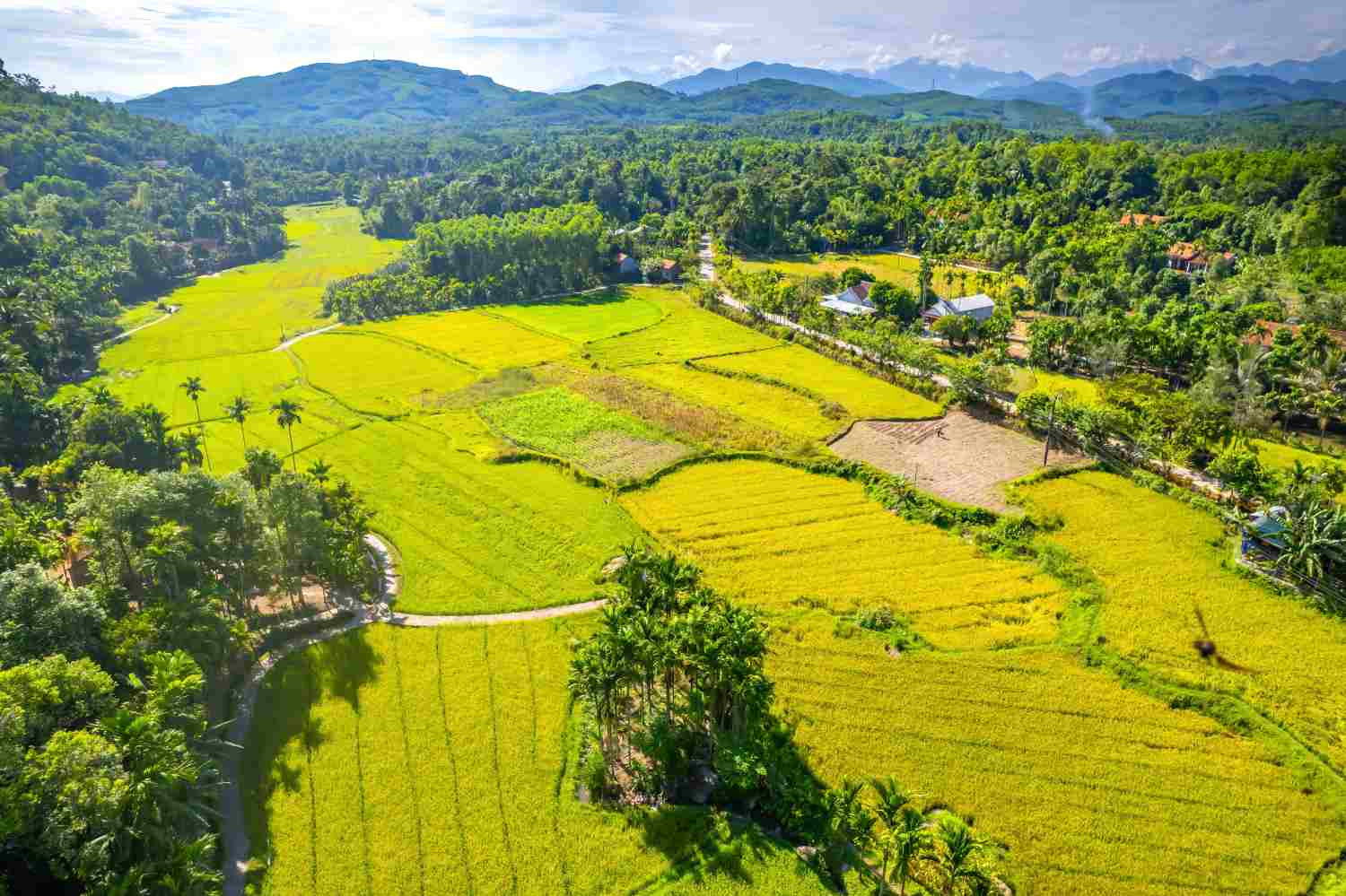
Not necessarily a mountainous area, not a midland - Tien Phuoc, Quang Nam is such a countryside. The semi-painted landscape, with mountains and forests, valleys and fields interspersed with hillsides, curves, and creates steps. People across the country know Tien Phuoc as the hometown of Mr. Huynh Thuc Khang. The people of Quang are proud of their homeland as a intellectual, a patriotic soldier, who made many contributions to culture, knowledge, Vietnamese journalism and the struggle for the country's independence. But tourists now know Tien Phuoc as an interesting land, diverse habitats, many wild but attractive rural tourism products.
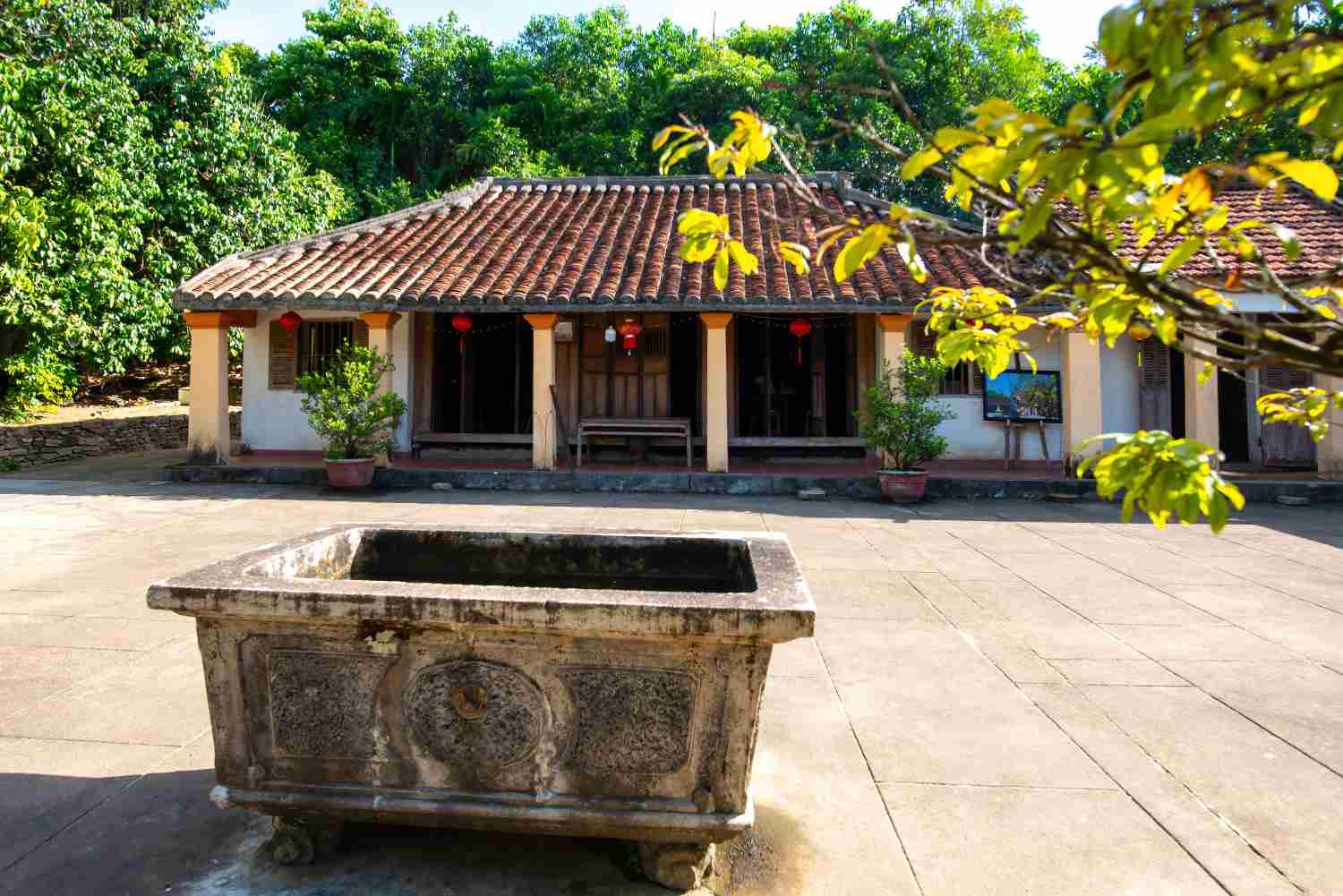
From the center of Da Nang to Tien Phuoc is about 100km, but the road is made of bon bon asphalt. If you want to shorten your journey, you can take the highway. Therefore, visitors can go home during the day. In particular, you can leave it on an empty stomach for breakfast with the special coconut tripe here.
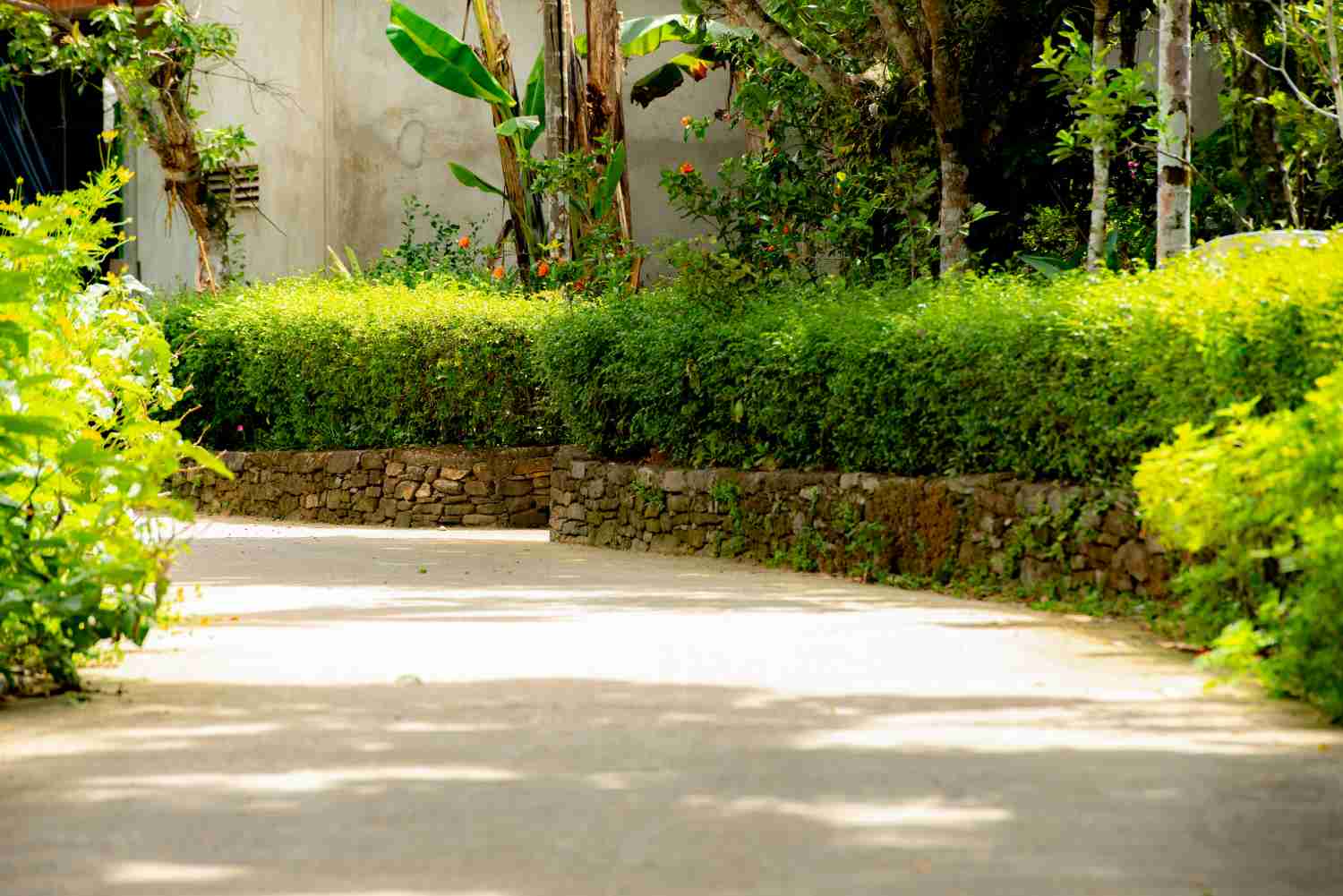
We are 5 families, inviting each other to visit friends' houses in Tien Canh and Tien Phuoc. As soon as they reached the alley at the beginning of Loc Yen village, the children were surprised and excited. The ship's sweet soup stalls are carefully cut, all are arranged in a tucked manner, curving along the stone banks, leading to a peaceful house under the canopy. Your father has prepared coconut worms. Children living in the middle of the city, lost in a flower- and fruit garden, hearing a dish with a strange name for the first time all enjoyed it.
People choose fresh green coconuts, that is, coconuts that are not too old or too young, to get both fresh water and soft, fatty coconut rice. A unique way to prepare the pickles is to add marinated coconut rice with pepper, chili, garlic, fish sauce. After the coconut rice has been seasoned, mix the coconut rice with coconut water, add chopped Vietnamese coriander, crumbled grilled rice paper... A bowl of coconut milk with the sweet and fatty taste of coconut rice, the salty taste of fish sauce, the spicy and aroma of the mixed garlic chili creates a very unique flavor, delicious, salty and not boring like a bowl of noodle soup and a bowl of daily pho on the street.
In the mid-room, your mother also prepared groups of golden spinach, bunches of fresh vegetables, mangosteen at the beginning of the season... divided into gift packages.
The delicious, cool, sweetness not only comes from the vegetables and fruits in the garden, but is also filled with the rural, loving emotions of your family for guests.
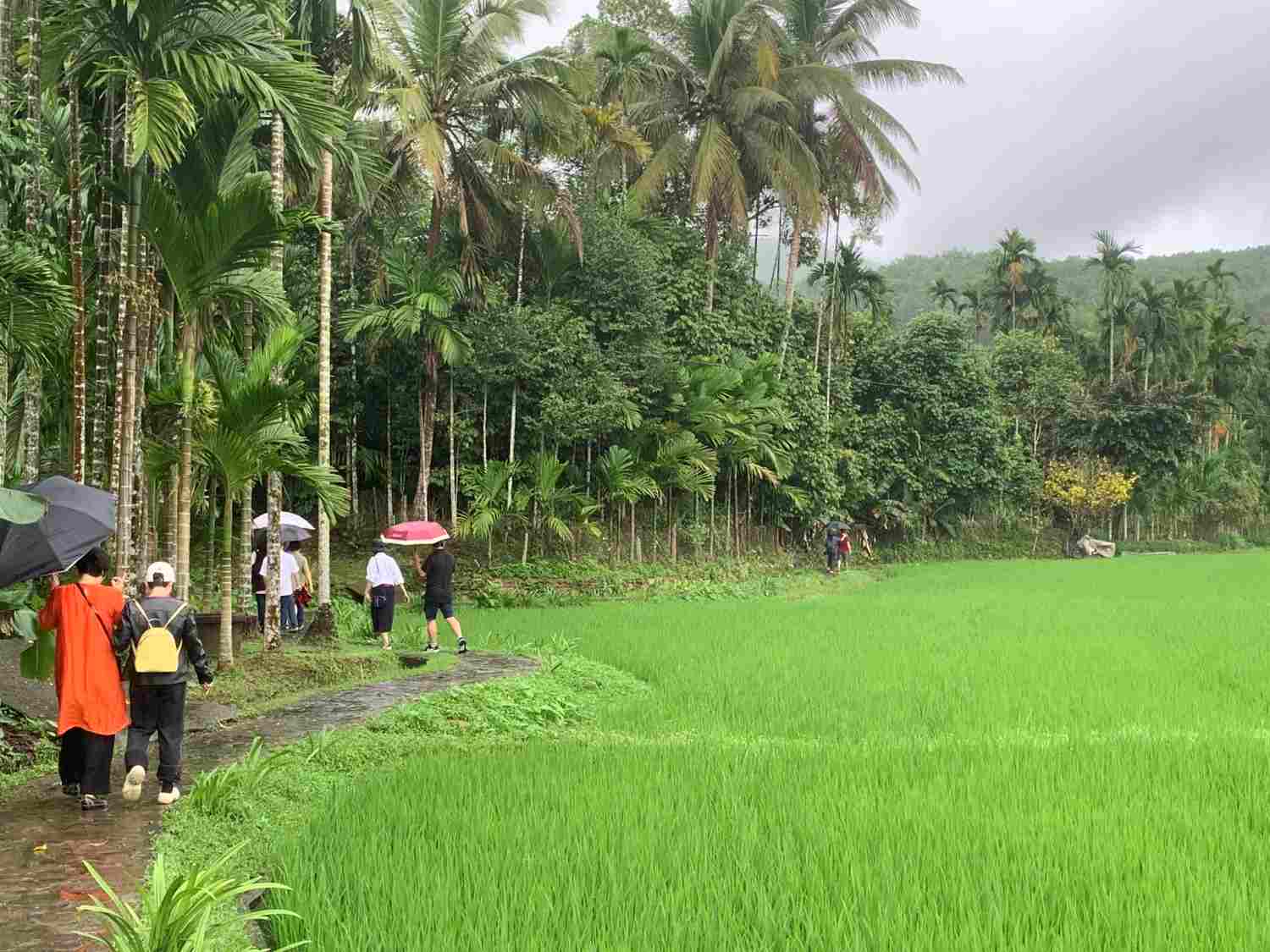
It is worth mentioning that this is also the product that Tien Phuoc people treat tourists from all over the world. In recent decades, Tien Phuoc has become a famous tourist destination, attracting visitors not only because of the scenery of mountains, fields, and streams in the midlands, but also because of the unique fruit gardens, the charming countryside of the people. Therefore, tourism has become a new field, creating an important source of income for many households - which have been pure farmers for generations.
Multi-purpose agriculture is a foundation for sustainable livelihoods
In the context of increasingly severe climate change, the global economy shifting to a green and sustainable model, many countries are having to restructure their development strategies. Vietnam is not out of that trend. Although there is no clear strategy, agricultural tourism in the poor area of Tien Phuoc, Da Nang has emerged as a direction that is both natural and inevitable.
Vietnam is originally an agricultural country. This is not only reflected in the rate of rural population, but also in the depth of culture, agricultural knowledge, and the close relationship between people and land, forests, mountains, and rivers. However, if agriculture only stops at raw material production, it will be difficult to escape the vicious cycle of low income, high risk and dependence on the market. The problem is how to create more value in agriculture on the same land area, same ecosystem.
Agricultural tourism is the solution to that problem. When agriculture not only produces food and provisions but also creates experience, knowledge, emotions and cultural values, each plot of land, garden, and nursery can become a "comprehensive economic product". Vietnam has a rare advantage in terms of terrain and climate. Short, steep terrain, strong differentiation create ecological diversity. The humid tropical climate, heavy rainfall, and high humidity help the plant system thrive. Many areas own medicinal plants, fruit trees, and forest trees with high economic value. This is the foundation for Vietnam's agriculture to not only serve domestic needs but also create a special attraction for tourists.
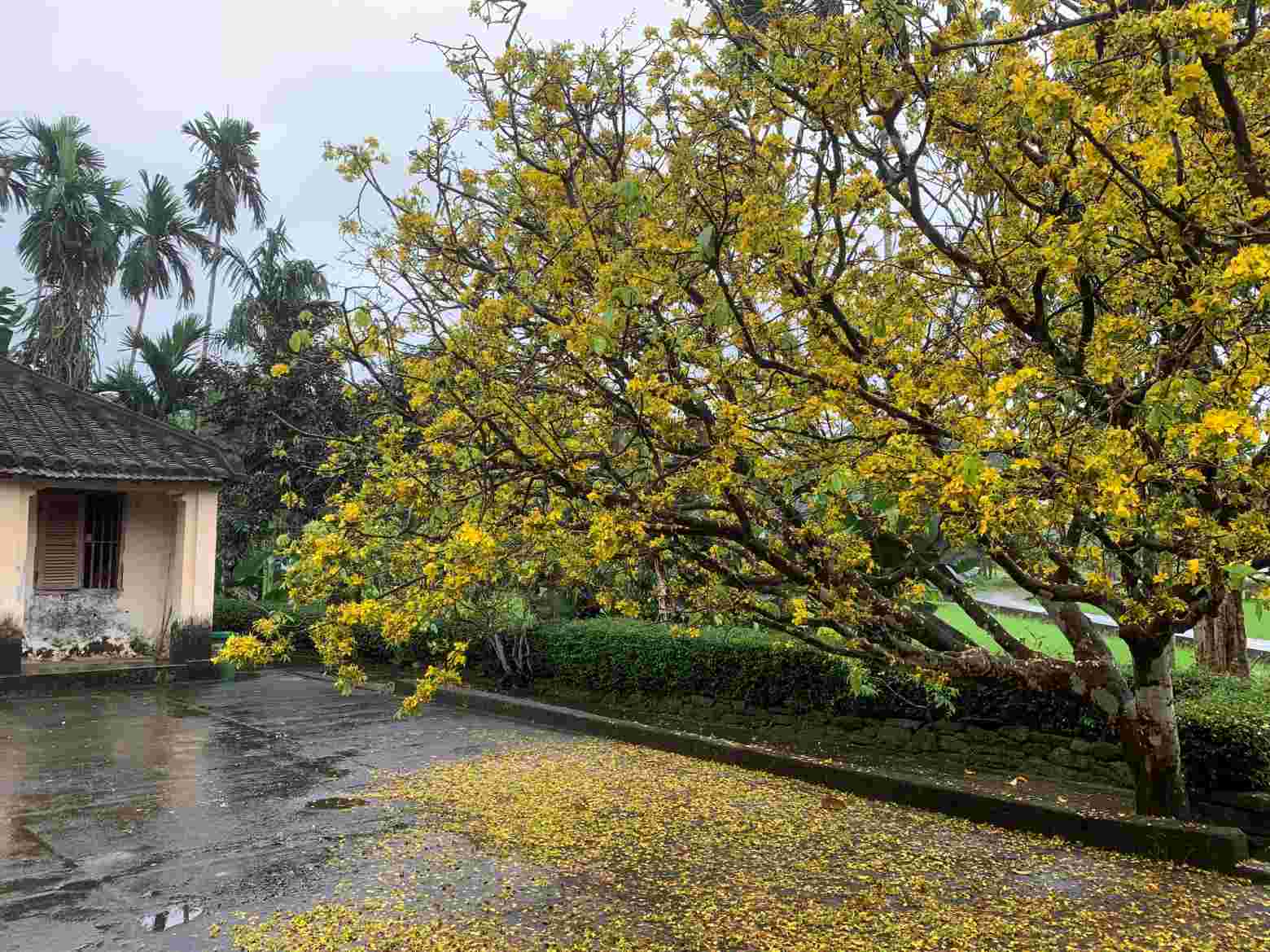
When linking agriculture with tourism, farmers no longer only sell agricultural products. They sell farming stories, indigenous knowledge, labor experiences, living and culture. The value of the product is therefore multiplied many times. Agricultural products become gifts, become "on-site exports", reducing logistics and market pressure.
More importantly, this model helps rural people have more stable income, reducing the situation of separation of incense. For remote areas, ethnic minority areas, agricultural tourism opens up opportunities for economic development without having to exchange resources or identity. And the story of agricultural tourism in the hometown of Mr. Huynh Thuc Khang is a vivid example.
Environmental protection from the very need for development
Agricultural tourism can only survive when the environment is protected. Therefore, this model forces participating entities to change their development thinking. Forests are not only a source of wood. streams are not just a source of water. Land is not only for maximum exploitation in the short term. The environment becomes a core asset.
When people's livelihoods are closely linked to landscape, ecosystem and environmental quality, they will have the motivation to protect themselves. This is a fundamental difference compared to many traditional resource exploitation models. Agricultural tourism creates a harmonious relationship between people and nature, between economic development and conservation.
In reality, many poor areas will have difficulty maintaining sustainability if they only rely on subsidies or short-term projects. On the contrary, when people become the subject of the green economic model, they not only have income but also have direct benefits in preserving the living environment.
Uncopiable advantages
Architect Pham Thanh Tung - Deputy Director, Institute of Economics and Agricultural Tourism - gave the following analysis: Vietnam is located in the central region of Asia - where most of the world's population is concentrated. The road, sea and air transport network is conveniently connected. This is a great advantage to attract international visitors, especially those interested in experiential tourism, eco-tourism, and tourism associated with agriculture.
Besides that is the human factor. Vietnam has 54 ethnic groups living together in harmony. The diversity of cultures, beliefs, and folk knowledge creates invaluable tourism resources. Notably, many local values are still relatively intact. This is something that not every country has in the development process.
Knowledge of cultivation, use of medicinal herbs, and adaptation to nature has been accumulated through many generations. When organized, standardized and associated with tourism, this knowledge base can become a national competitive advantage.
According to Architect Tung, currently, the development of homestay, Farmstay, community tourism, agricultural tourism models is taking place across the country, reaching remote areas, high mountains, border and island areas... Many models have achieved success beyond expectations, but many people also support partners when pursuing them incorrectly. We need to look forward to the future. To become a country of agricultural tourism is not the unique task of the Government or some localities. That is a strategy that requires the participation of the whole society. The government plays a role in creating institutions, planning and orientation. Enterprises participate in investing, organizing markets and improving service quality. People are the central subject, directly creating products and experiences.
When tourism is associated with agriculture, investment capital tends to be longer-term and more sustainable. Food security is strengthened. Environmental security is guaranteed. Social security is enhanced through stable livelihoods.
Furthermore, this is also a way for Vietnam to affirm its position on the world tourism map with its own identity and internal strength, instead of following expensive models that are vulnerable to global fluctuations.
Agricultural tourism is not a slogan. That is the development path suitable for the natural conditions, culture and people of Vietnam. If correctly identified and implemented consistently, this will be an important foundation for developing a green, inclusive and sustainable economy for many generations.


