
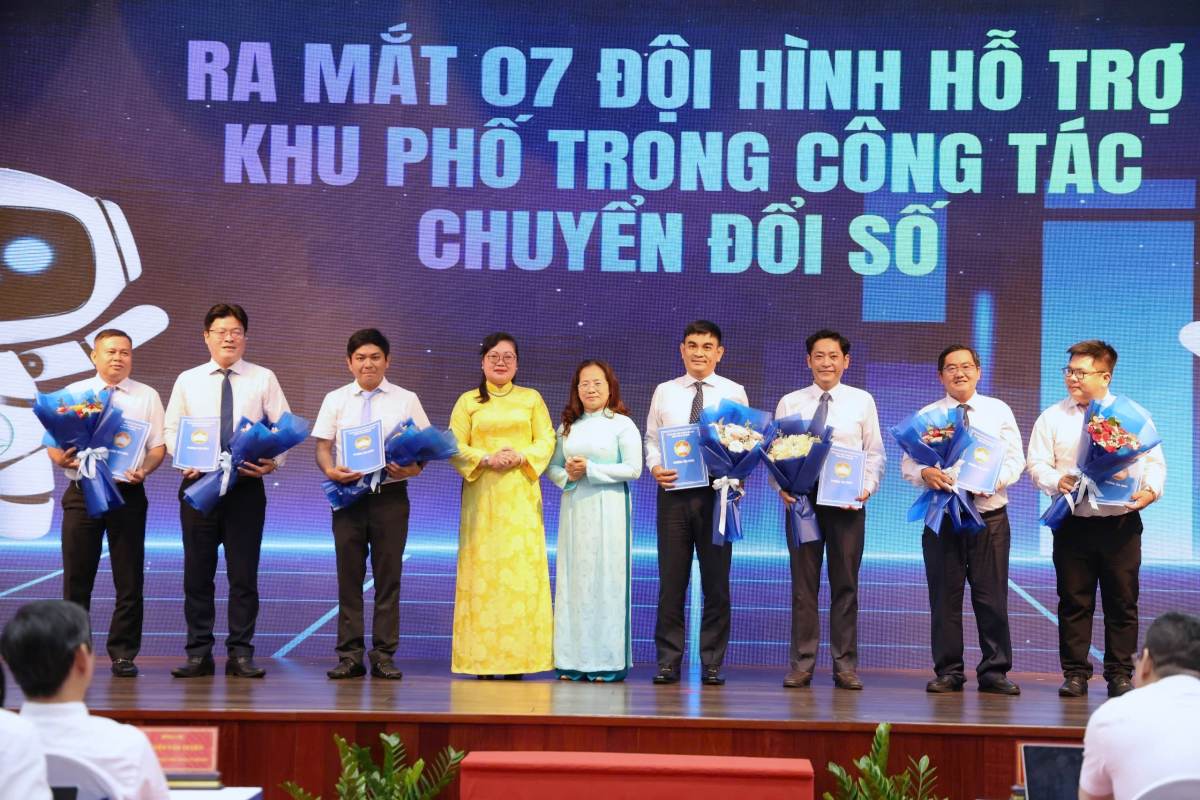
On May 18, the Party Committee, People's Council, People's Committee, and Vietnam Fatherland Front Committee (VFF) of Tan Hung ward (HCMC) held a launching ceremony for the digital neighborhood.
According to the Tan Hung Ward Party Committee, the Ward Party Committee Executive Committee has issued a Resolution on leading the construction of digital neighborhoods, towards building digital wards. Specifically, the "digital neighborhood" orientation of Tan Hung Ward is initially measured by 9 criteria: Digital Citizen; Digital Payment - Digital Economy; Digital Security; Digital Urban; Digital Environment; Digital Social Security; Digital Communication - One-touch QR; Digital Petition; Digital Party Cell - Union.
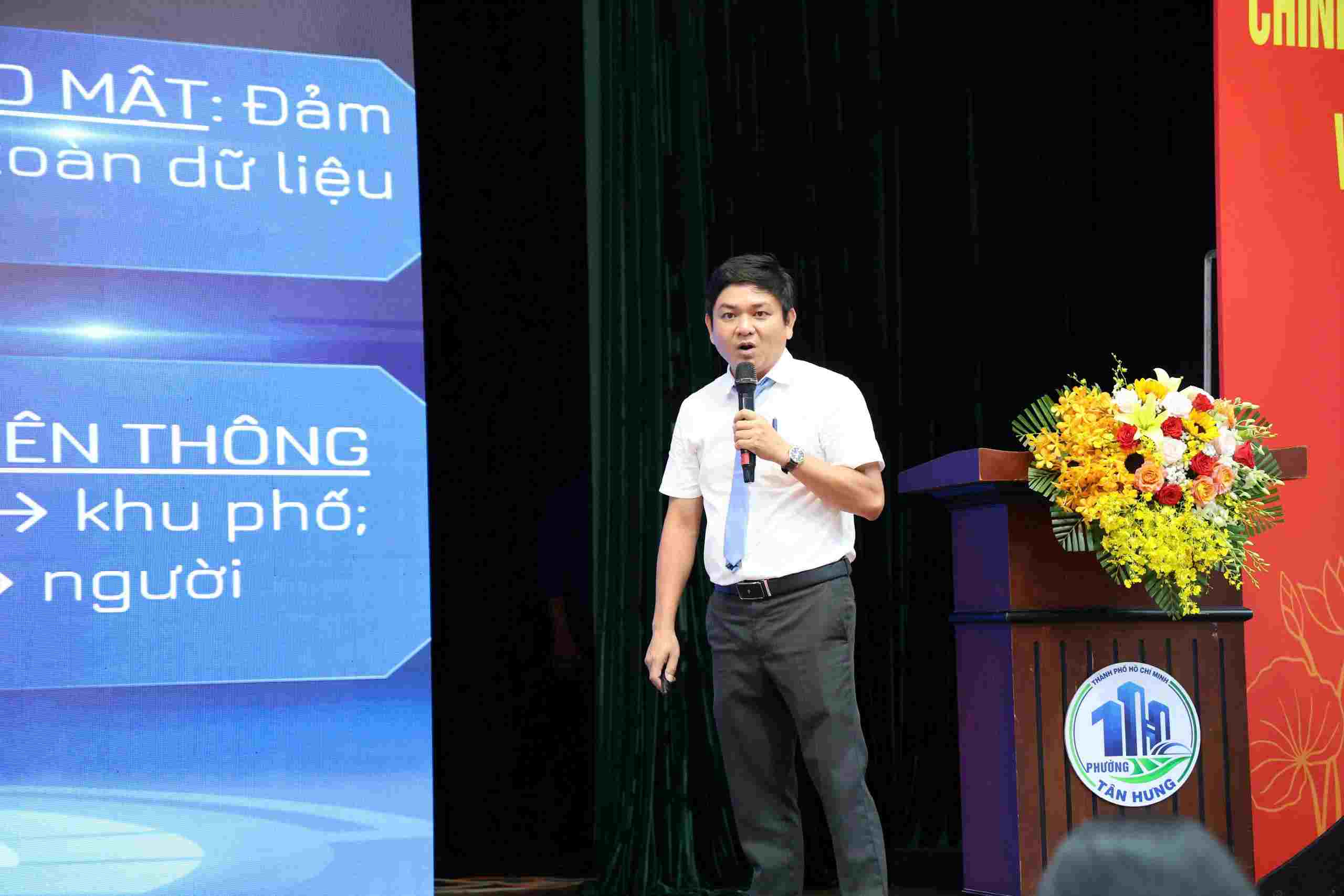
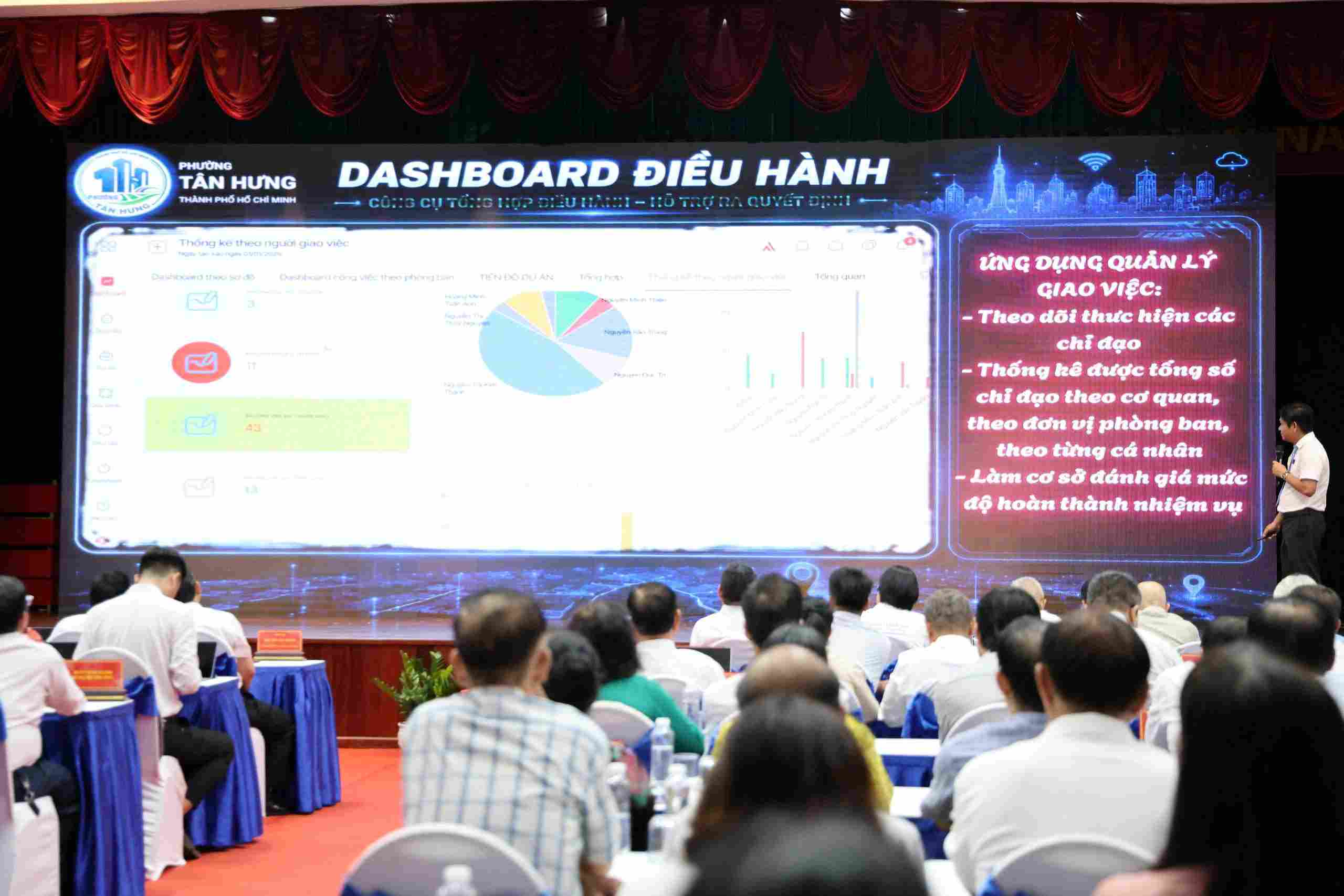
Mr. Nguyen Minh Thien - Vice Chairman of Tan Hung Ward People's Committee - said that these 9 criteria do not exist individually, but are linked into a complete digital governance ecosystem in the neighborhood. In which, people are placed in the center position with the role of digital citizens - subjects directly participating in the transformation process.
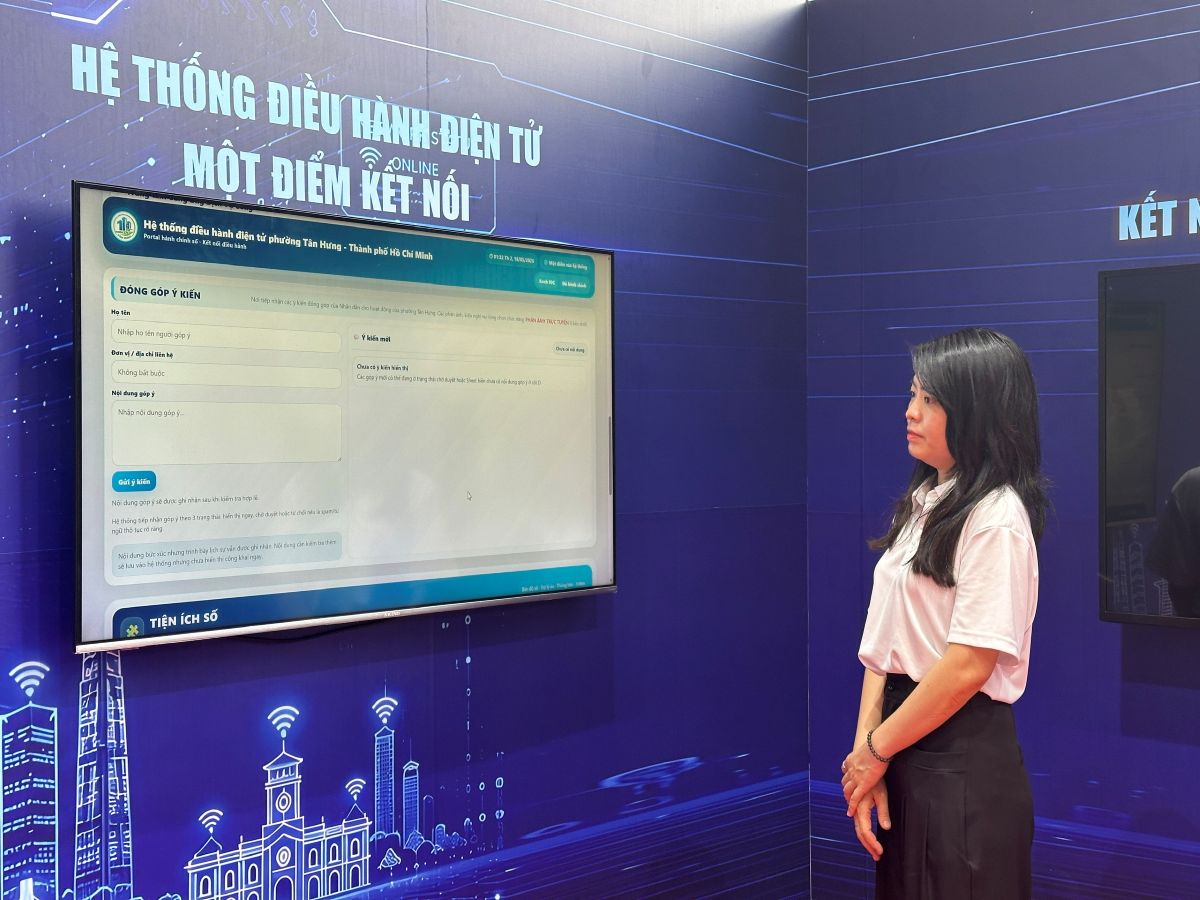
In the process of building the digital neighborhood, Tan Hung ward has implemented many new models and products. Notably, the "QR one-touch" model. This is a model where each household in the digital neighborhood is pasted with a QR code as a gateway connecting the government and people.
When scanning the code, people will interact with an AI chatbot that acts as a 24/24 online ward official to answer basic information. The system also provides a list of all officials and leaders in charge of each field for people to proactively contact. If they want to send images reflecting recommendations, the system will receive them similarly to switchboard 1022.

In addition, the notices of the Party Committee and People's Committee of the ward will be updated on this information page, people only need to scan the QR code to download documents, limiting the need for aunts and uncles in the neighborhood to send paper documents to each house.
In addition, Tan Hung ward also built an operating page for the neighborhood, helping personnel in the neighborhood manage overall information in 75 neighborhoods such as personnel, area, household registration. Data on poor households, near-poor households, policy families, social protection beneficiaries... is also synchronized. The ward's goal is to complete 100% of the digital neighborhood and build a digital ward before December 30, 2026. From 2027 - 2030, comprehensively complete the construction of digital wards.
Present to experience the digital neighborhood, Ms. Ho Thi Kim Oanh (resident of Tan Hung ward) shared that the model is very convenient and useful for people. "I want to know what information, just open my phone, scan the QR code and you will have full information about the ward. I think this model is very close to the people, close to the people and needs to be spread," Ms. Oanh said.
At the ceremony, Mr. Hoang Minh Tuan Anh - Secretary of the Party Committee, Chairman of the People's Council of Tan Hung ward - expressed that to move towards a digital ward, digital city, smart city, the first thing to do is to digital transformation in the neighborhood.
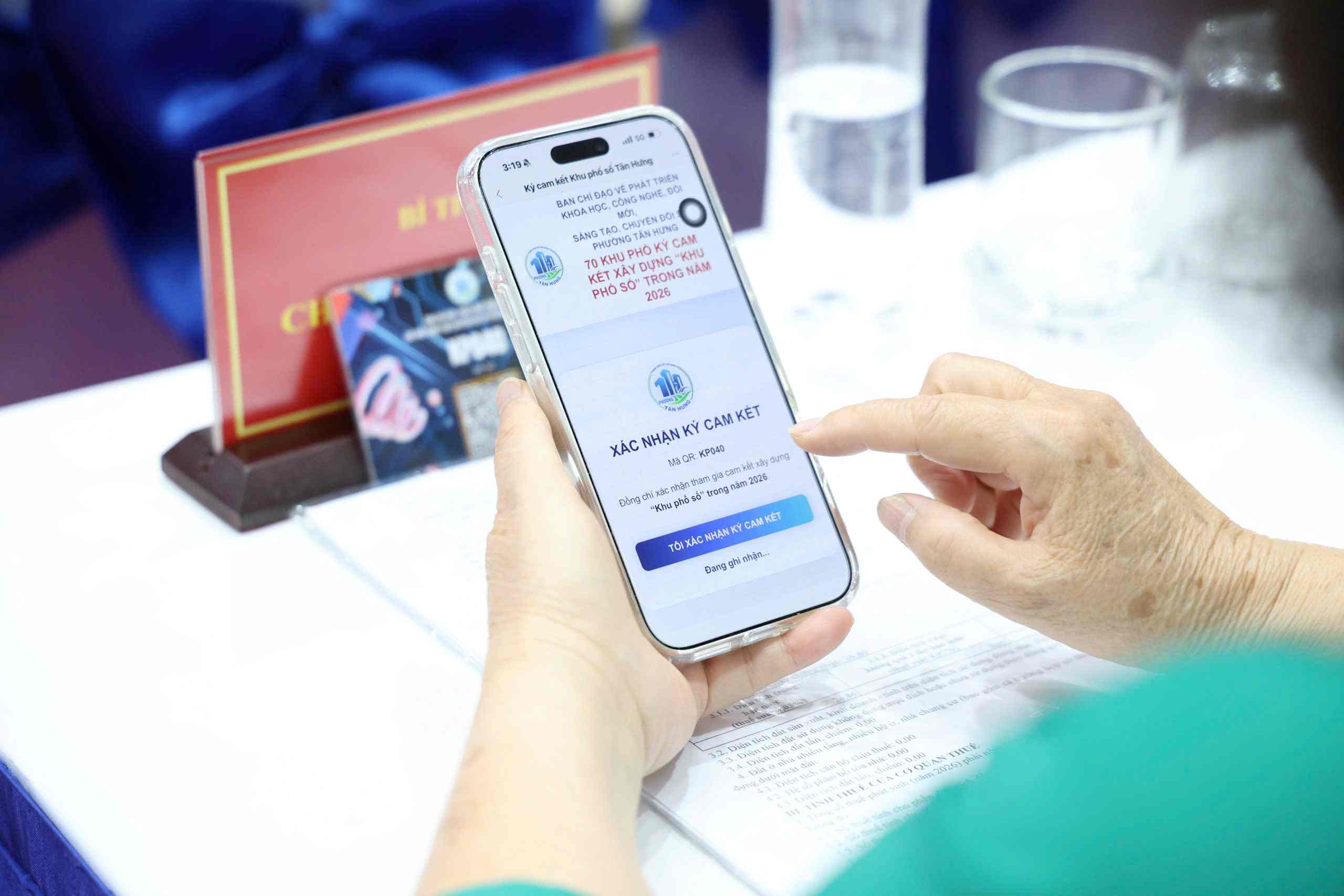
Secretary of the Party Committee of Tan Hung ward said that if previously, the handling of noise or loss of security and order in the neighborhood had to be telephoned to the ward police, now there is a new way of communicating. Cases will be handled on the system. This shows that the management thinking of the administration has been transformed from the traditional model to the digital management thinking.
Digital neighborhoods will be the first step to shape digital citizens, digital communities and go further into digital culture right from residential areas" - Mr. Hoang Minh Tuan Anh emphasized.
Ms. Vo Thi Trung Trinh - Director of the Ho Chi Minh City Digital Transformation Center - highly appreciated Tan Hung ward for building a set of criteria for neighborhoods to aim for convenience for both people and officials and civil servants. She committed to continue to improve products with the ward, apply and integrate them into the city's common system, build a government architecture framework, towards the final result of bringing many benefits to people's service work.


