
Faced with the situation that many black spots of waste show signs of recurrence, affecting urban aesthetics, wards and communes in Ho Chi Minh City are simultaneously launching campaigns with stronger and more sustainable solutions.
Recently, a report from the Ho Chi Minh City Department of Agriculture and Environment recorded 74 waste accumulation points. Among them, localities with high density of black spots that need to be focused on handling include: Tan Hung Ward (6 points), An Khanh Ward (5 points). Localities with 4 accumulation points are: Tan My, Tan Thuan, Binh Hung Hoa, An Lac wards and Binh Hung commune.
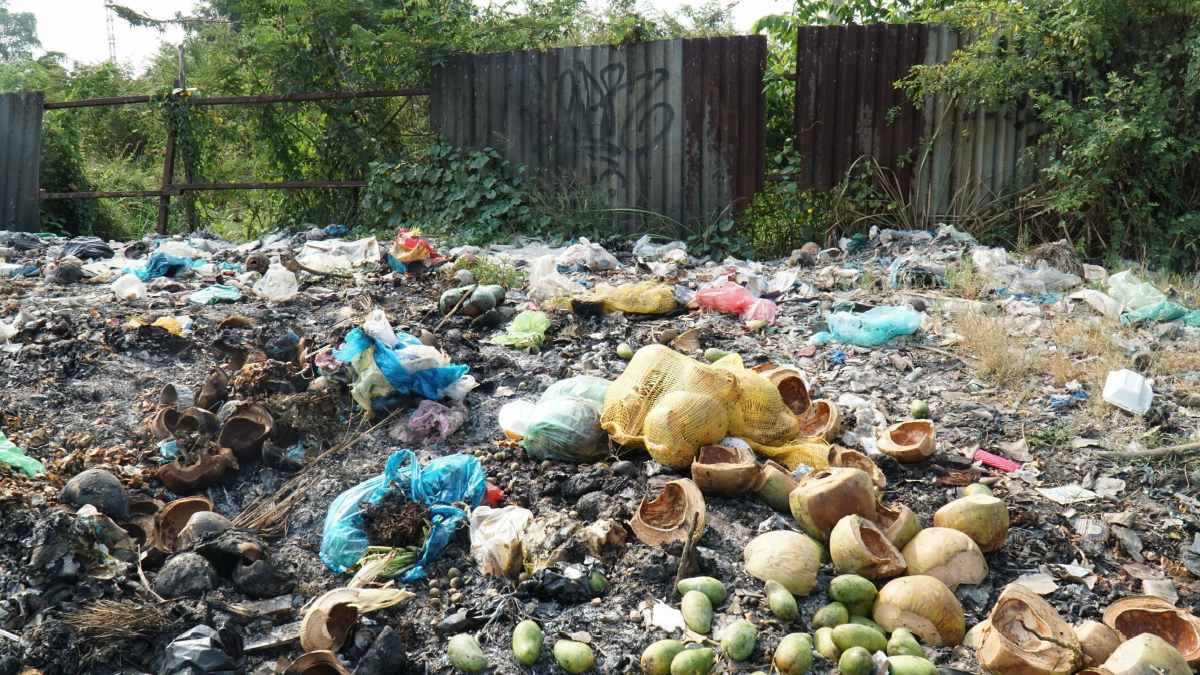
B40 mesh fence, using cameras to track down illegal dumping subjects
In Binh Hung commune, immediately after receiving instructions from the Ho Chi Minh City Department of Agriculture and Environment, the locality urgently and synchronously implemented many solutions to handle the situation of spontaneous waste on the Nguyen Van Linh route (from Ong Lon bridge to the area near Can Giuoc bridge).
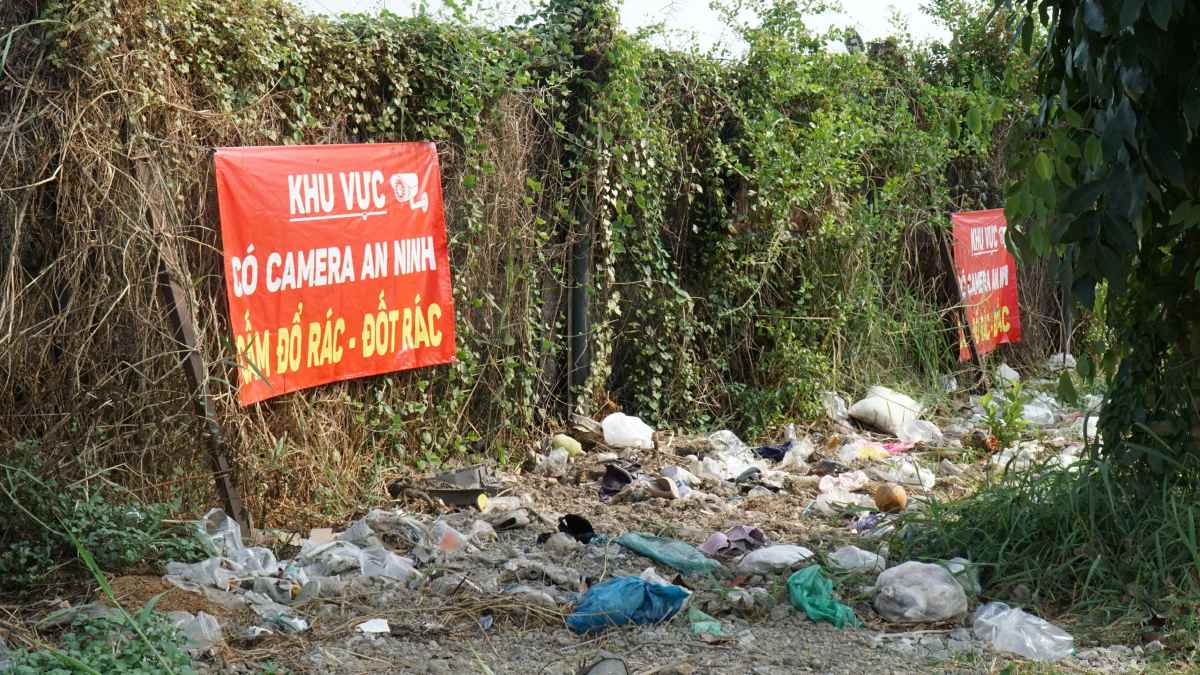
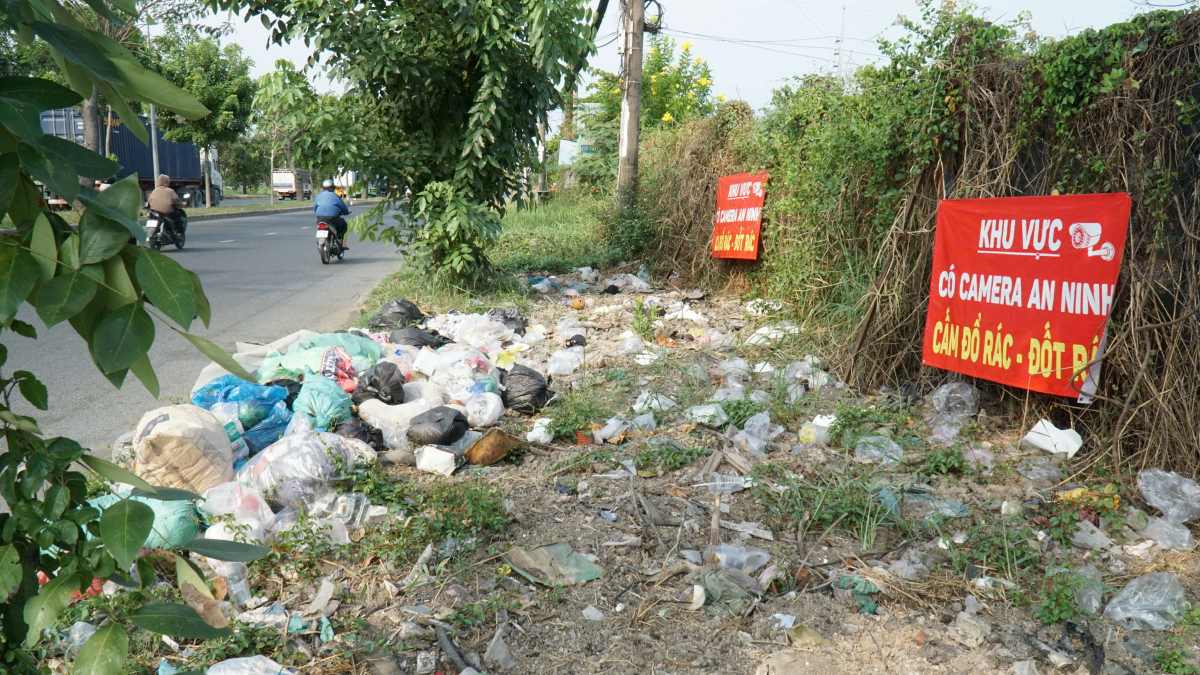
Through review, there are currently 4 large spontaneous garbage points on the route, mainly at the corner of 9A street (Him Lam residential area, Trung Son) intersecting Nguyen Van Linh; project land plot 194 near Rach Ngang bridge; Hoa Dong Project land plot - COVID-19 Field Hospital area; and vacant land interspersed with people's houses from Khiem Khai apartment building to Nguyen Van Linh - Trinh Quang Nghi intersection. Many small garbage points still occur scattered along the route, forcing functional forces to maintain cleaning almost daily.
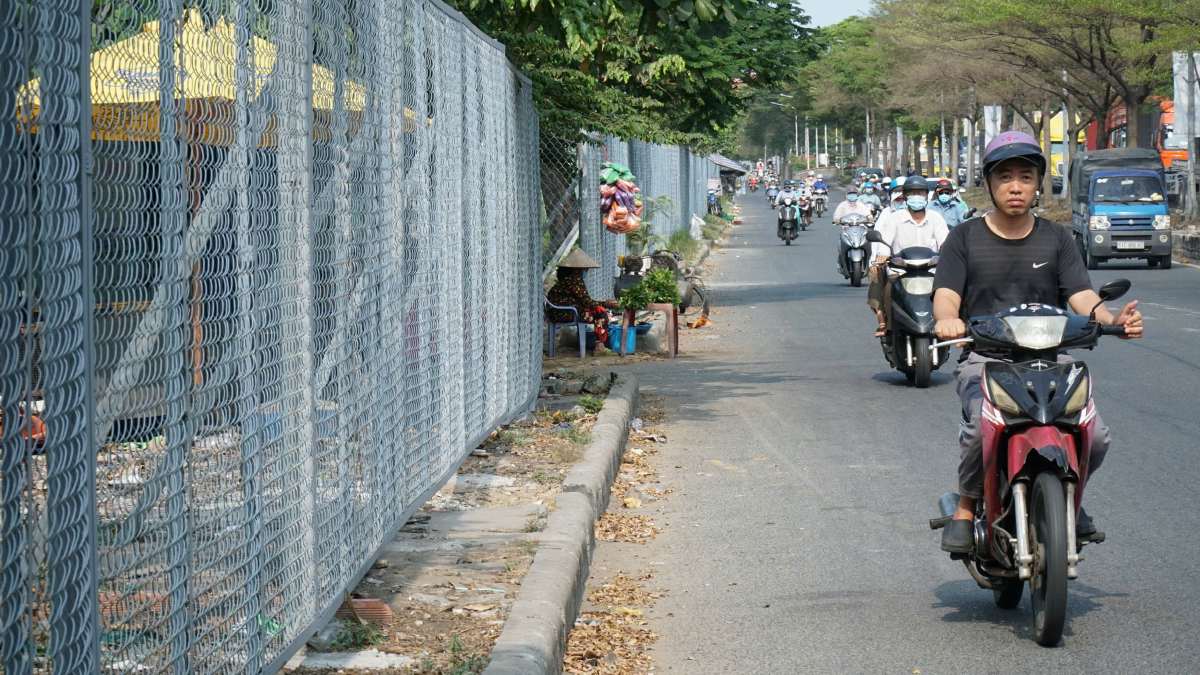
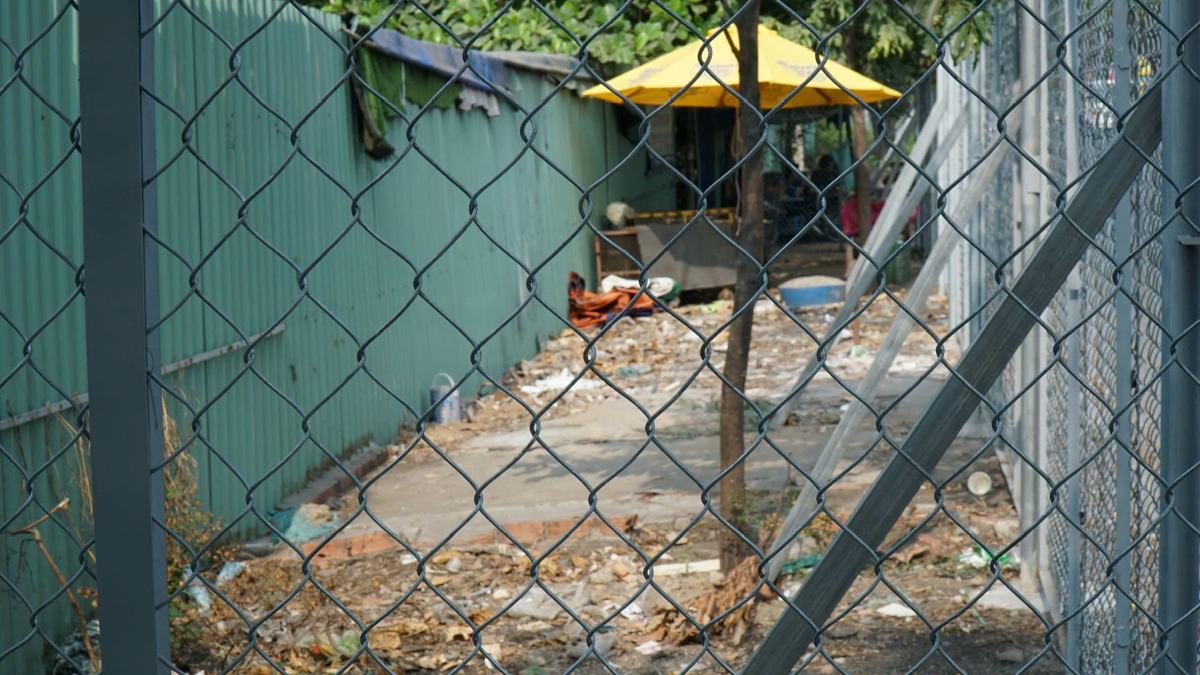
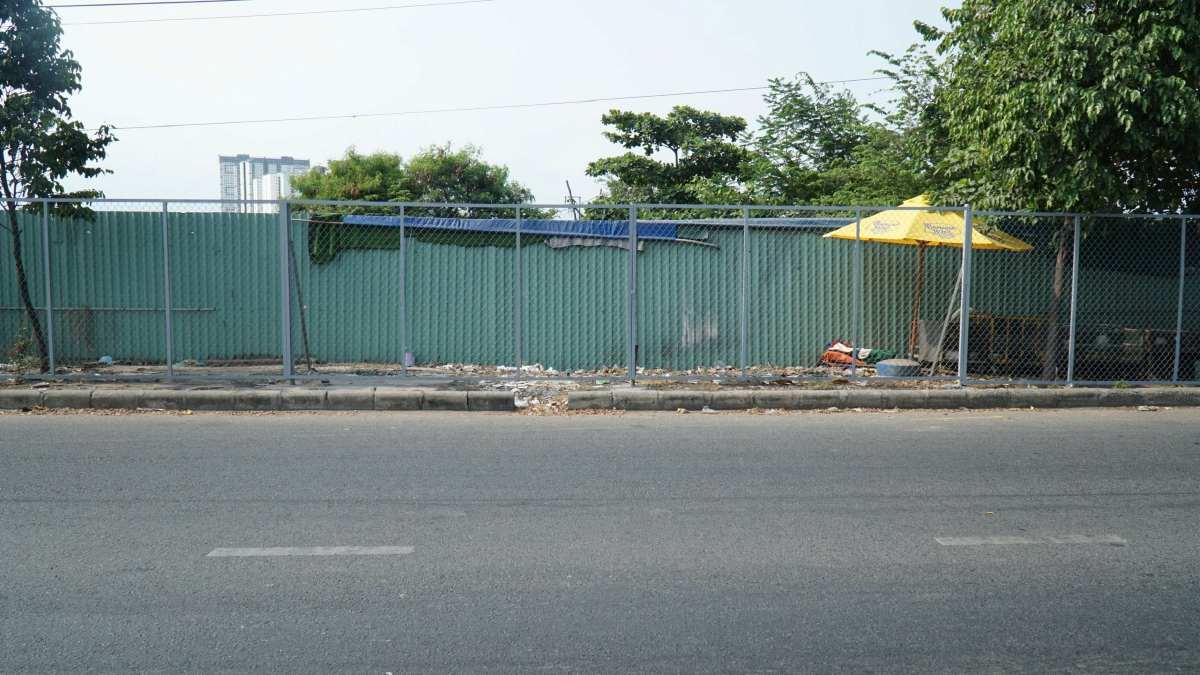
According to Binh Hung Commune People's Committee, this situation stems from many reasons: a part of the population has not participated in collection services or has not complied with collection time; trading activities encroaching on roads and sidewalks; the existence of spontaneous collection vehicles (rickshaws, trailers) that are not registered or signed contracts. In addition, some garbage points are located in "suspended planning" areas, with few residents, lack of lighting, while some collection units have not ensured frequency, causing many difficulties in inspection and supervision.
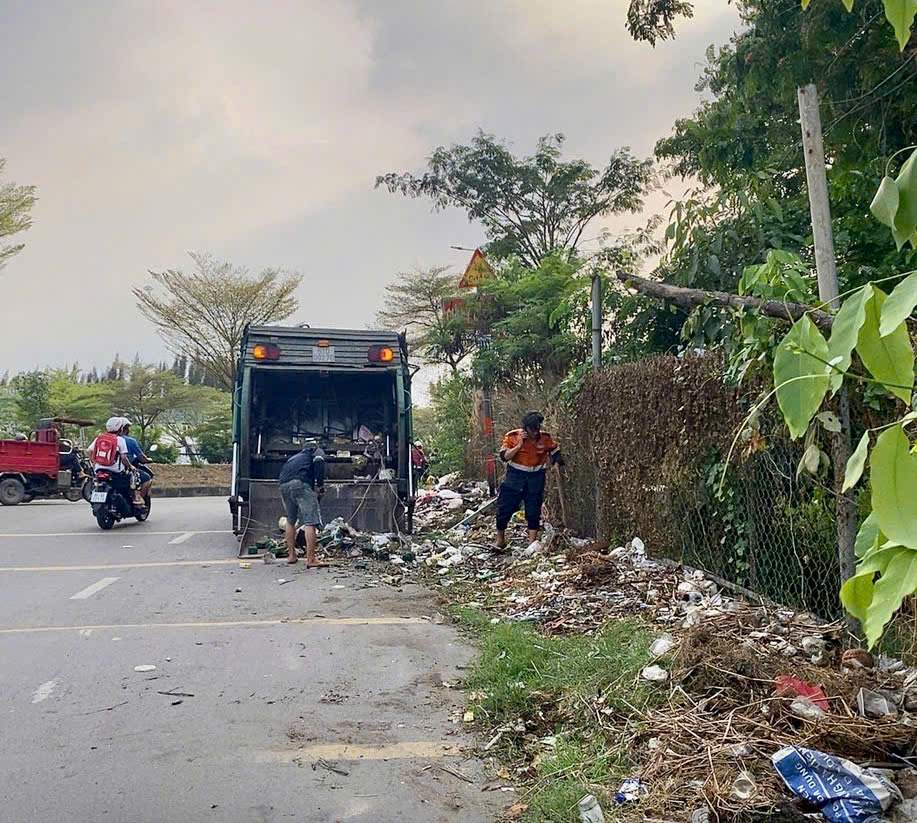
Faced with the above situation, Binh Hung Commune People's Committee has simultaneously implemented measures: strengthening general cleaning, focusing on handling "hot spots"; rectifying and strictly handling collection units that do not ensure time and frequency; and at the same time reviewing and compiling a list of households and waste source owners to request signing waste transfer contracts in accordance with regulations.
In the coming time, the locality aims to completely handle 4 spontaneous garbage spots through landscape improvement, B40 mesh fences at vacant land areas and slow-progress projects to prevent recurrence from the root.
Along with that, the commune promotes propaganda, installs signs prohibiting littering with penalties at violating points; applies a hot bonus mechanism for people who provide information about the act of illegally dumping garbage.

Application of self-propelled robots to collect garbage
Tan Hung ward is also one of the localities with high black spots of waste. To solve this problem, the ward has cooperated with units and volunteers to clean up the Song Tan pond area (section under bridge No. 1) and collect waste on roads.
Not only stopping at traditional general cleaning activities, the ward also applies technology in the environment.
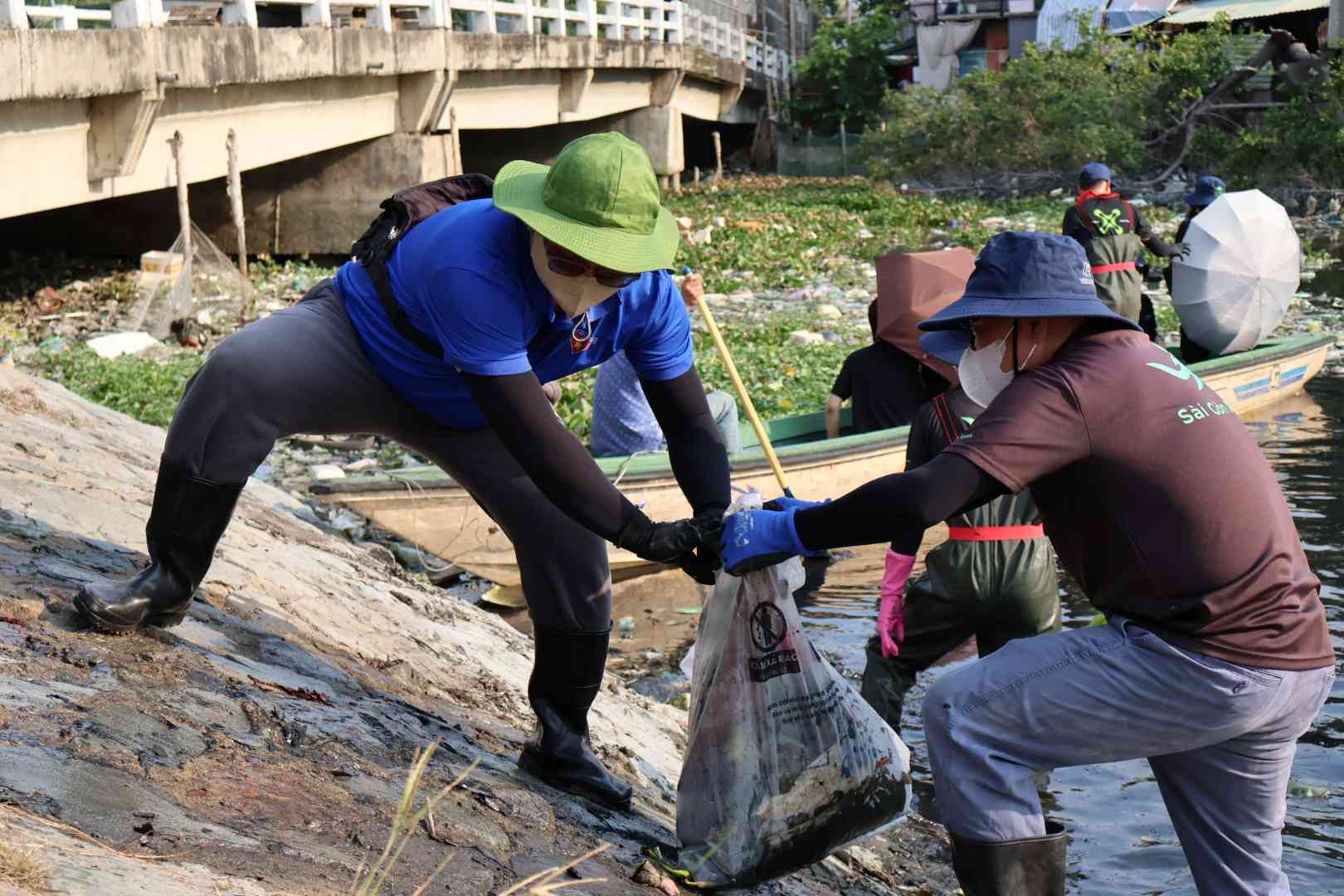
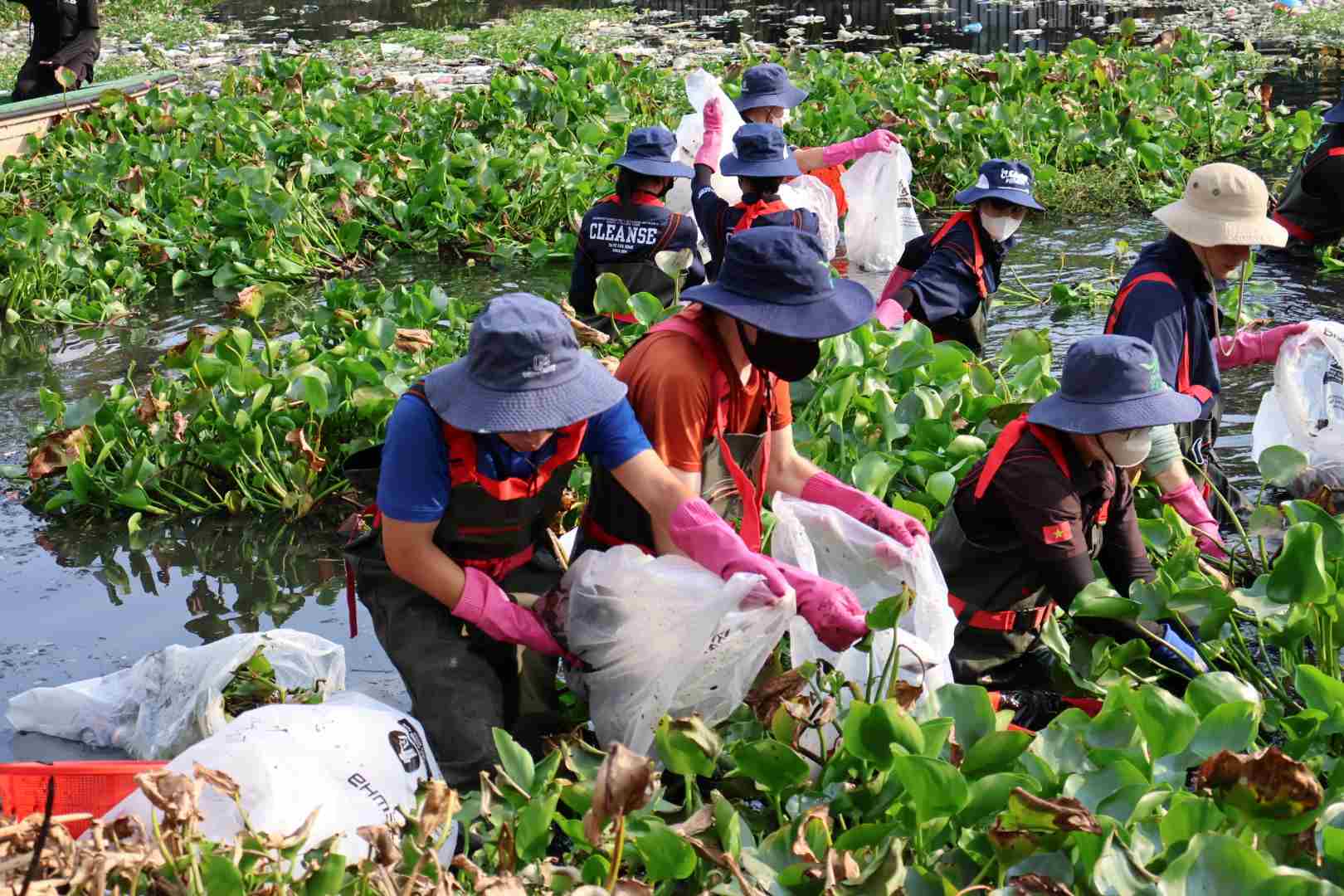
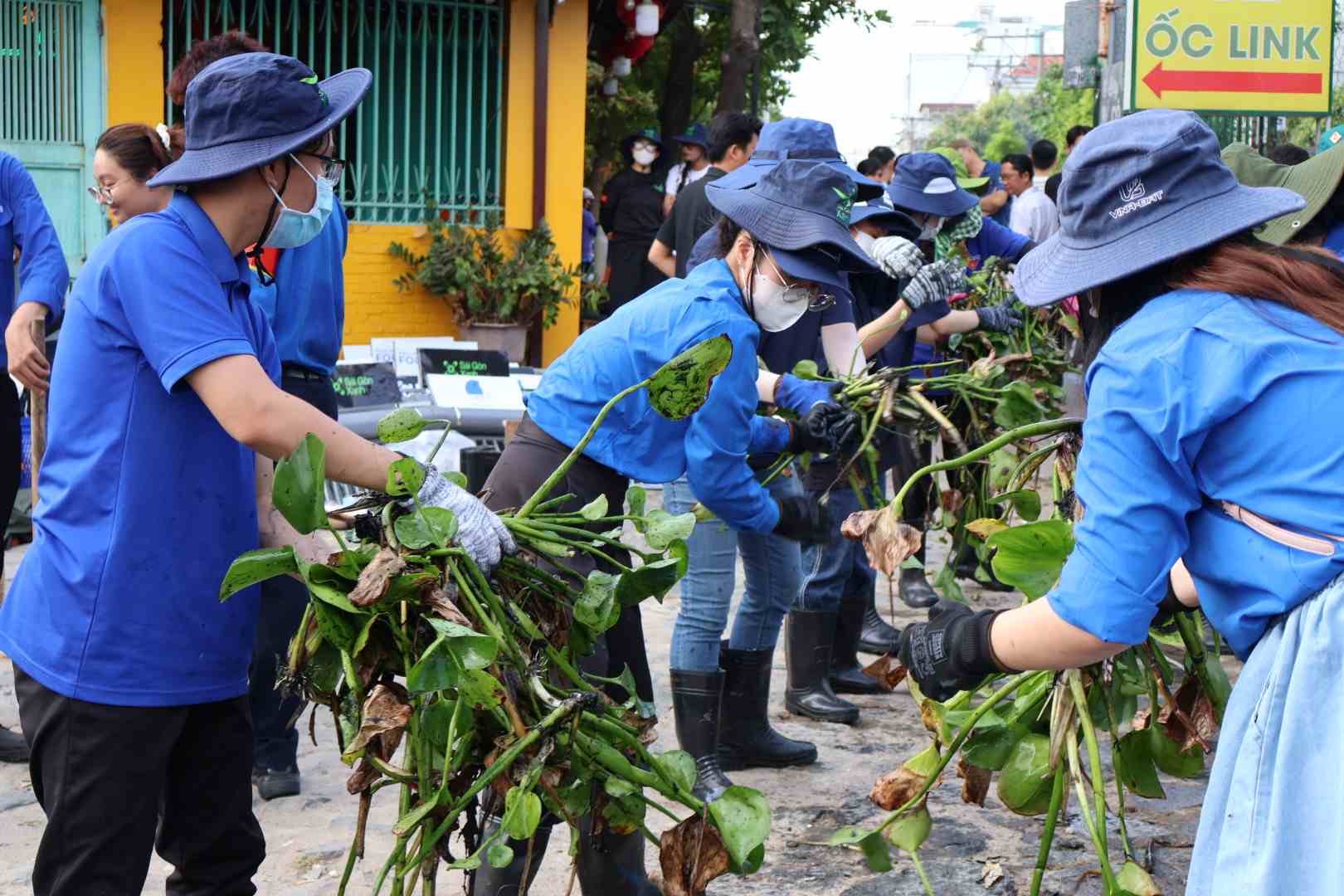
Deploying self-propelled robots to collect garbage in deep water areas, difficult to access, contributing to improving the efficiency of cleaning up canals and ditches.
Install a waste buoy system to prevent waste from drifting and concentrating, causing local pollution.
After the campaign, the ward will deploy a surveillance camera system, combined with propaganda and mobilization of households along ponds and canals to sign commitments not to litter into the environment.


