
Ho Chi Minh City People's Committee has just issued a plan to implement compensation, support and resettlement for the Ben Thanh - Can Gio Metro project.
The Ben Thanh - Can Gio Metro line was started on December 19, 2025 under the BOO (build - own - operate) contract form.
The project passes through Ben Thanh, Khanh Hoi, Xom Chieu, Tan Thuan, Tan My wards and Nha Be, Binh Khanh, An Thoi Dong, Can Gio communes.
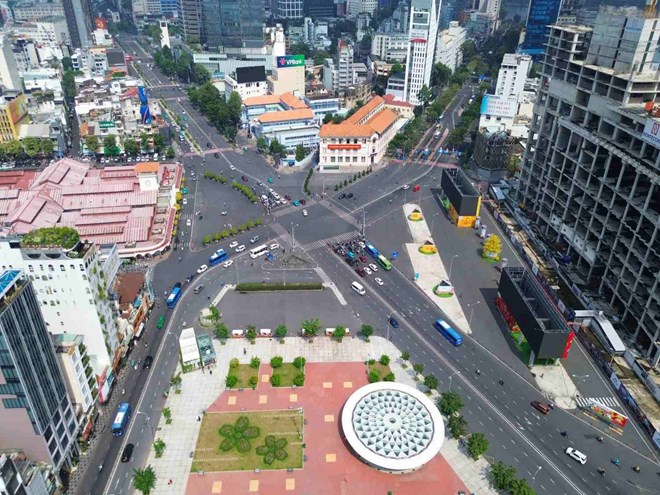
The Ben Thanh - Can Gio Metro line starts at 23/9 Park, goes along the park adjacent to Le Lai street, to Nguyen Thai Hoc, turns to Ky Con, crosses Ben Nghe canal.
After that, the route turns northeast along the Hoang Dieu axis, to Nguyen Tat Thanh intersection then turns southeast, following the corridor of Doan Nhu Hai street. The route continues through Nha Rong - Khanh Hoi port area, near Tan Thuan 2 bridge then merges into Nguyen Van Linh street, through Nguyen Thi Thap intersection, to Tan My ward and then extends to Can Gio.
The project has a total investment of more than 102,430 billion VND, not including nearly 13,000 billion VND of site clearance costs paid by the budget.
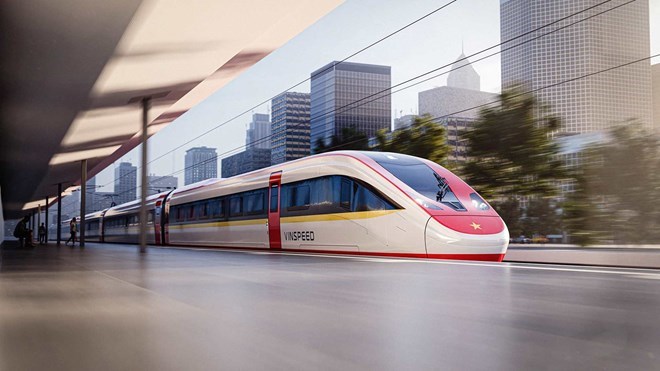
The Ben Thanh - Can Gio Metro line is designed with a maximum speed of up to 350 km/h. In phase 1, the project will build two main stations, Ben Thanh and Can Gio. Depots and OCC operating centers are both planned to be located in the Can Gio area.
When completed in 2028, the Ben Thanh - Can Gio Metro line will shorten the travel time from the center of Ho Chi Minh City to Can Gio to about 13 minutes, creating a large-volume public transport axis, promoting socio-economic development in the southern area of the city.
To ensure progress, the Ho Chi Minh City People's Committee requests the mobilization of the entire political system, and at the same time strengthens coordination between investors, departments, branches and local authorities where the project passes through.
According to the plan, in the first quarter of 2026 (March 2026), the project will complete the preparation, appraisal and submission for approval of the route plan and the location of works on the route.
By the second quarter of 2026 (June 2026), complete the preparation, appraisal and approval of compensation, support, and resettlement projects.
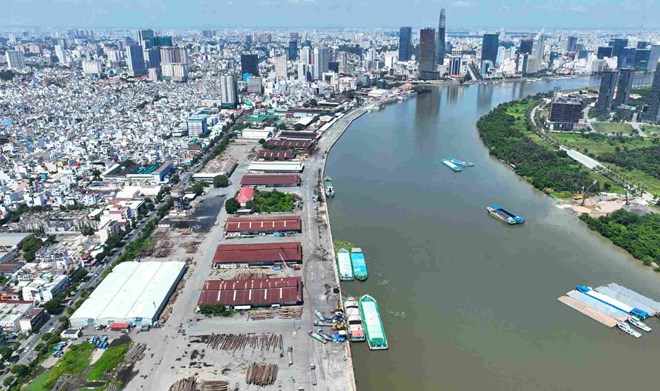
Land acquisition, compensation, support and resettlement will be implemented, striving to complete and hand over the site to investors in the fourth quarter of 2026 (October 2026).
Technical infrastructure management units coordinate with relevant departments, agencies, branches and localities to organize the relocation of affected technical infrastructure works, ensuring the completion and handover of technical infrastructure land before the fourth quarter of 2026.


