
European Parliament (MEP) Member Manfred Weber revealed that the EU has decided to withdraw the plan to eliminate vehicles using internal combustion engines by 2035. The official announcement is expected to be made next week.
According to Mr. Weber - leader of the European People's Party (EPP) in the center-right trend, from 2035, car manufacturers are likely to still be able to sell gasoline-powered cars, but must ensure a 90% reduction in CO2 emissions.
The EU has agreed on a across-bank target of cutting CO2 emissions from cars and light trucks by 100% by 2035 compared to 2021. The regulation was passed in March 2023, but has faced mixed reactions from many major German automakers, including Mercedes-Benz and BMW.
German Chancellor Friedrich Merz had previously sent a letter to European Commission (EC) President Ursula von der Leyen in November, calling for increased policy flexibility.
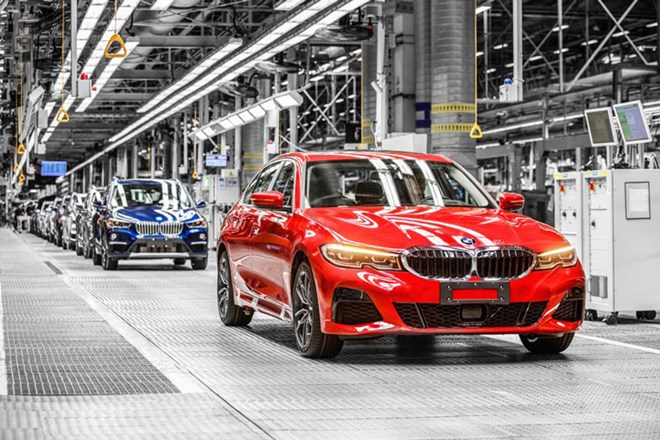
Mr. Merz emphasized that many parts of the European auto industry, especially in Germany, are in a very difficult economic situation, and the EU needs to soon adjust the policy framework so that this industry has a future.
Both BMW, Mercedes-Benz and Volkswagen have recorded a decline in the number of vehicles delivered in 2025, as demand in Asia weakens, while domestic electric car manufacturers in this region are increasingly dominating.
In addition to increasingly strict climate regulations and tariffs from the US, EU carmakers are also under pressure from rising energy prices. After the conflict in Ukraine escalated in February 2022, the EU has sharply cut oil and gas imports from Russia, shifting to more expensive alternative sources.


