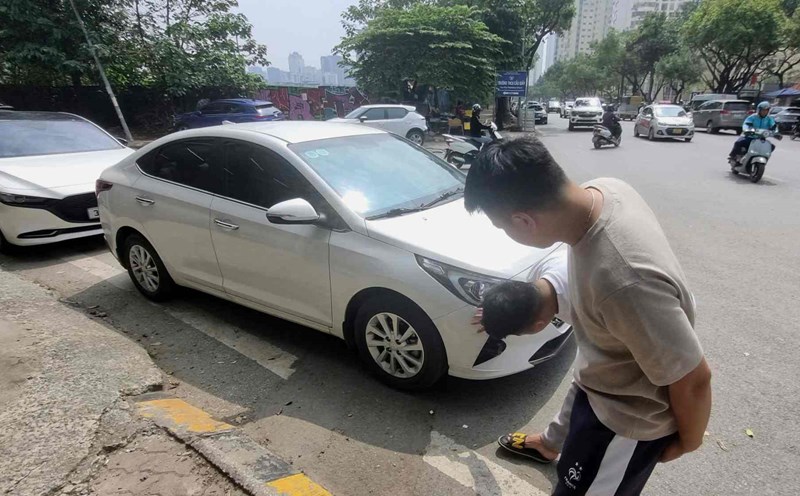
Air pollution increases, traffic accounts for a large proportion
According to the policy impact assessment report on emissions from cars participating in road traffic by the Ministry of Agriculture and Environment, air pollution in Vietnam tends to increase, mainly focusing on dust pollution, especially PM2.5 fine dust.
Environmental studies show that PM2.5 fine dust concentrations in Hanoi and Ho Chi Minh City regularly exceed the recommendations of the World Health Organization. In which, emissions from transportation activities account for a significant proportion, ranging from 20% to 60% depending on the region and time.
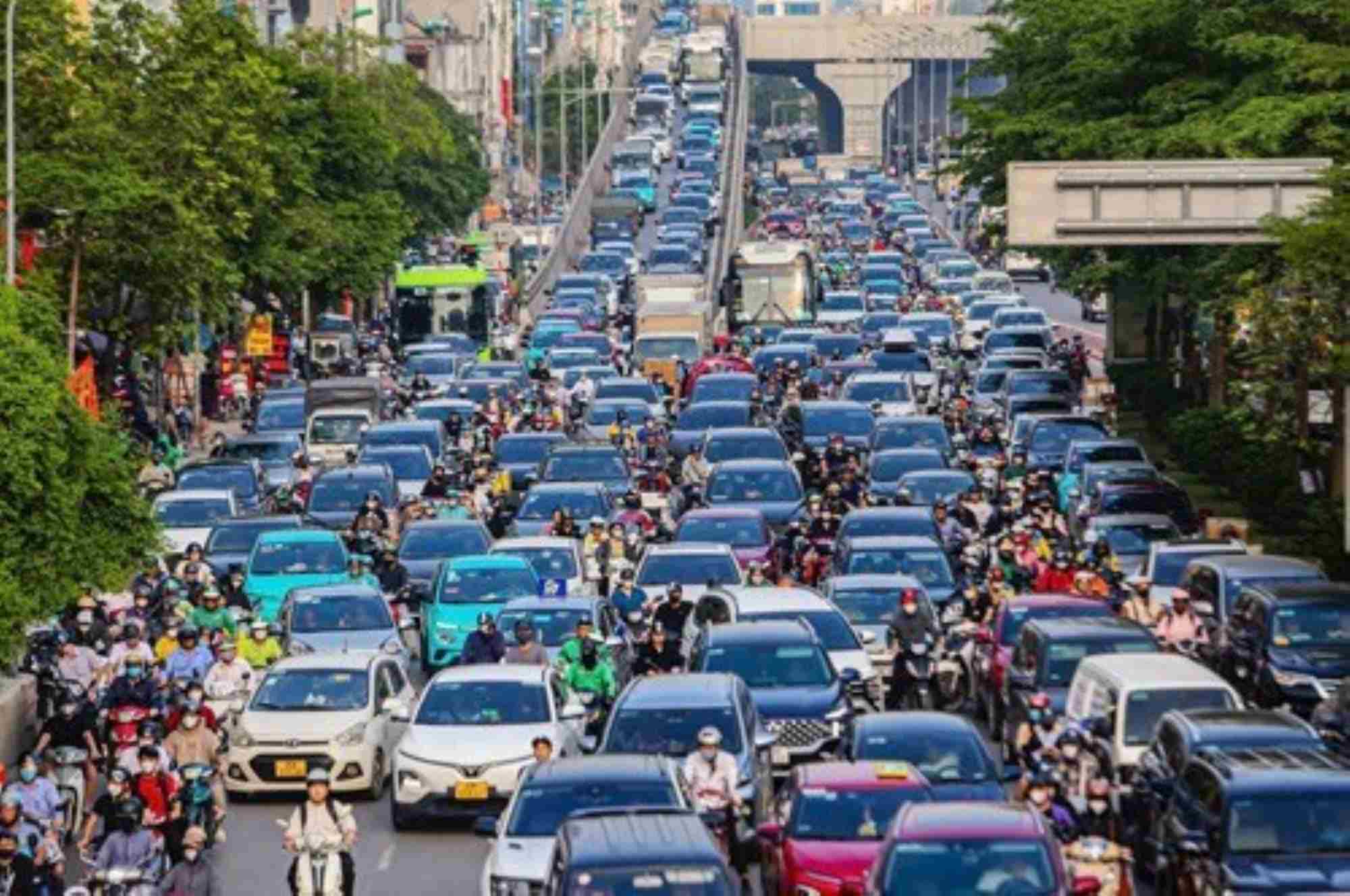
Vietnam currently belongs to the group of countries with rapidly increasing number of motor vehicles. In large cities, high vehicle density is directly proportional to the risk of congestion and emission accumulation. Notably, vehicles using internal combustion engines, especially old vehicles, have much higher emissions than new vehicles but there is no mandatory gradual elimination mechanism.
This reality makes the number of old cars, even those produced before 1999, still circulate quite a lot. Many cars do not meet emission standards, engines are degraded, emission treatment systems are damaged, causing the release of large amounts of toxic gases into the environment.
People's consensus determines policy effectiveness
Faced with the complicated pollution situation, the Vietnam Register said that from March 1, 2026, new emission levels will be applied to cars participating in road traffic.
Level 1 applies to vehicles manufactured before 1999. Level 2 applies to vehicles manufactured from 1999 to the end of 2016. Level 3 applies to vehicles manufactured from 2017 to the end of 2021. Level 4 applies to vehicles manufactured from 2022.
From January 1, 2027, in Hanoi and Ho Chi Minh City, vehicles manufactured in the period 2017-2021 must reach Level 4.
From January 1, 2028, vehicles manufactured from 2022 circulating in these two cities must reach Level 5. From January 1, 2029, all cars circulating in Hanoi and Ho Chi Minh City must meet Level 2 or higher.
From January 1, 2032, Level 5 is applied to vehicles manufactured from 2022 nationwide.
Before this change, the Vietnam Register recommends vehicle owners to proactively maintain and repair vehicles before going for inspection.
Periodic maintenance, oil change, air filter, cleaning of injection needles, combustion chambers, checking catalytic converters, oxygen sensors, and exhaust gas treatment systems are important factors to help the engine operate efficiently. At the same time, using standard fuel helps optimize the combustion process and reduce emissions.
According to the Vietnam Register, the proactiveness of people not only helps vehicles meet new regulations, limit re-inspection causing time and costs, but also contributes to improving air quality.
Before the strong transformation and tightening of car emissions, many people expressed their support. Mr. Nguyen Van Hung - living in Dong Ngac ward, Hanoi - said that there are days when the AQI index is at a very bad level, and families have to limit taking young children out. "Car emissions, especially trucks, old passenger cars, and taxis, sometimes smell very strong. If not tightening, Hanoi's air will become increasingly suffocating," he said.
Ms. Tran Thu Ha - a resident of Cau Giay ward - said that many old cars emit black smoke but still circulate normally. "I support tightening emissions. Cars that do not meet standards must be repaired or replaced. People's health is more important," she expressed.
From a management perspective, the Vietnam Register expects the new policy to encourage people to switch to cleaner, fuel-efficient vehicles, and move towards vehicles using electricity and renewable energy.
Tightening emission control is not only a technical measure in vehicle registration activities. This is also an important step in the green development strategy, towards the goal of reducing emissions, protecting community health, and building sustainable urban areas.
The consensus of the people, the seriousness in implementation of management agencies will determine the effectiveness of the policy. When each vehicle goes out to meet emission standards, the city's air will gradually become fresher. Green transformation is therefore no longer a slogan, but starts from specific changes in each inspection.