
At the Department of Pediatrics and Neonatal Unit, Thanh Nhan Hospital, Ms. Tran Thi Thanh Mai (Bach Mai ward, Hanoi) is still worried when her 27-month-old son continues to be hospitalized due to hand, foot and mouth disease.
Before being admitted to the hospital, the baby had a high fever for two days, mouthache, boils on his body and cried more than usual. "This is the third time my child has had hand, foot and mouth disease, so the family is very worried, especially because when the disease becomes severe, if the child has a lot of convulsions, it can affect the brain," Ms. Mai shared.
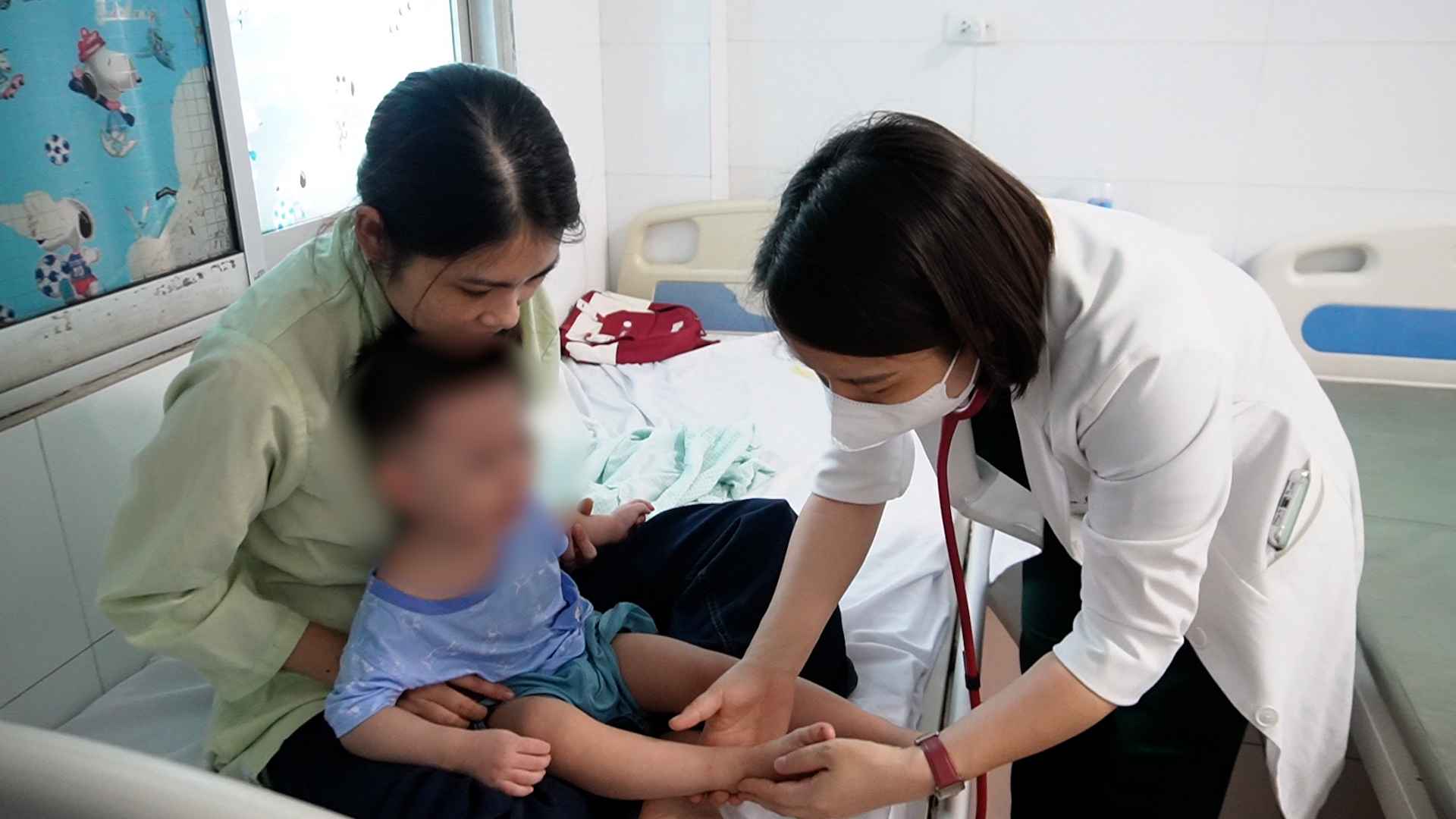
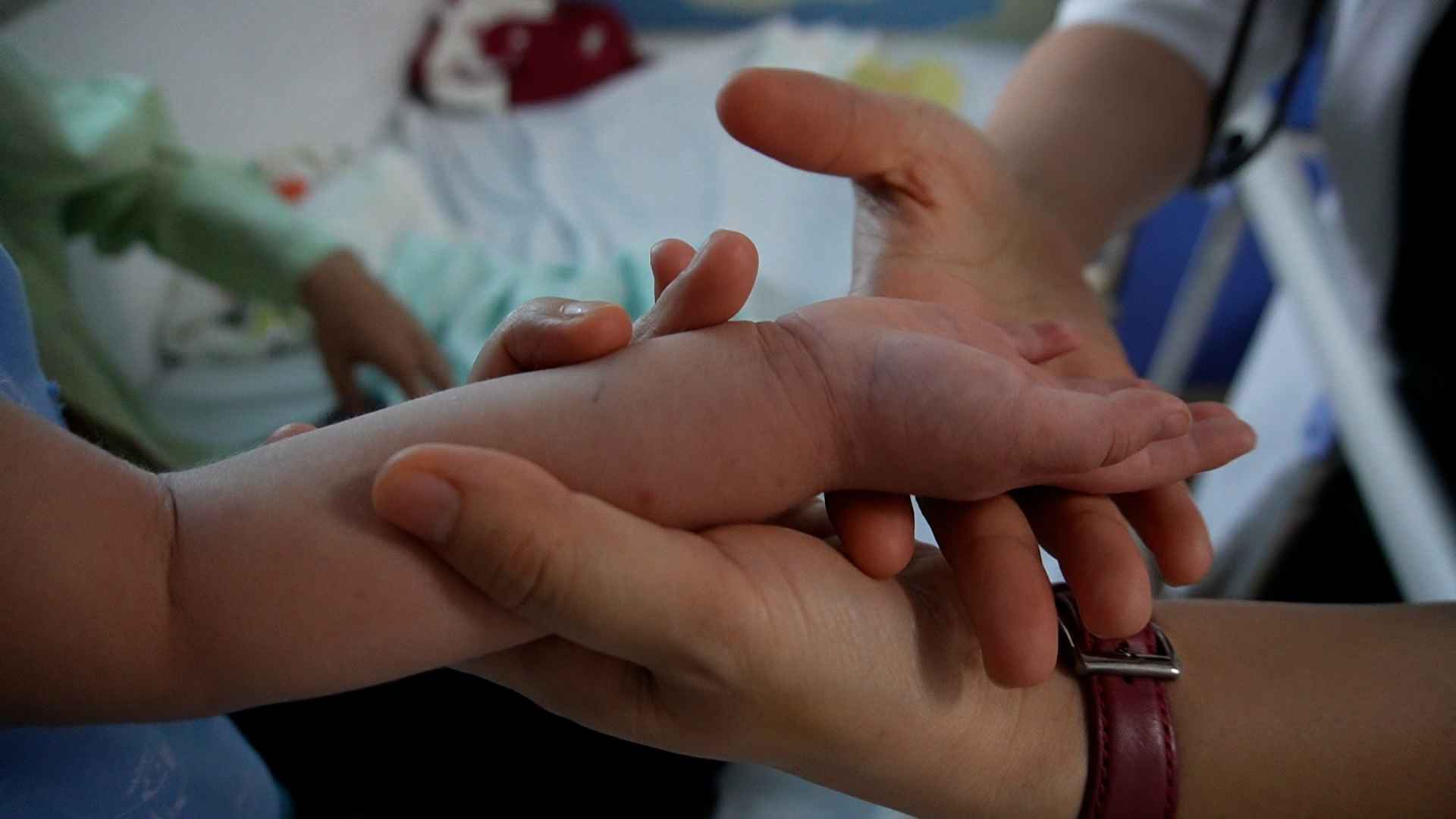
Ms. Mai's child's case is not unremarkable in the context of the increasing number of hand, foot and mouth disease cases in many localities. According to the Ministry of Health, from the beginning of 2026 to now, the whole country has recorded more than 34,000 cases of hand, foot and mouth disease, including 8 deaths. Most cases are concentrated in children under 10 years old, especially children aged 1-5 years old going to nurseries and kindergartens.
BSCKII Nghiem Thi Mai Sang, Head of Pediatrics and Neonatal Unit, Thanh Nhan Hospital, said that in the past 2 months, the number of children coming for examination and treatment of hand, foot and mouth disease has increased significantly compared to the previous period.
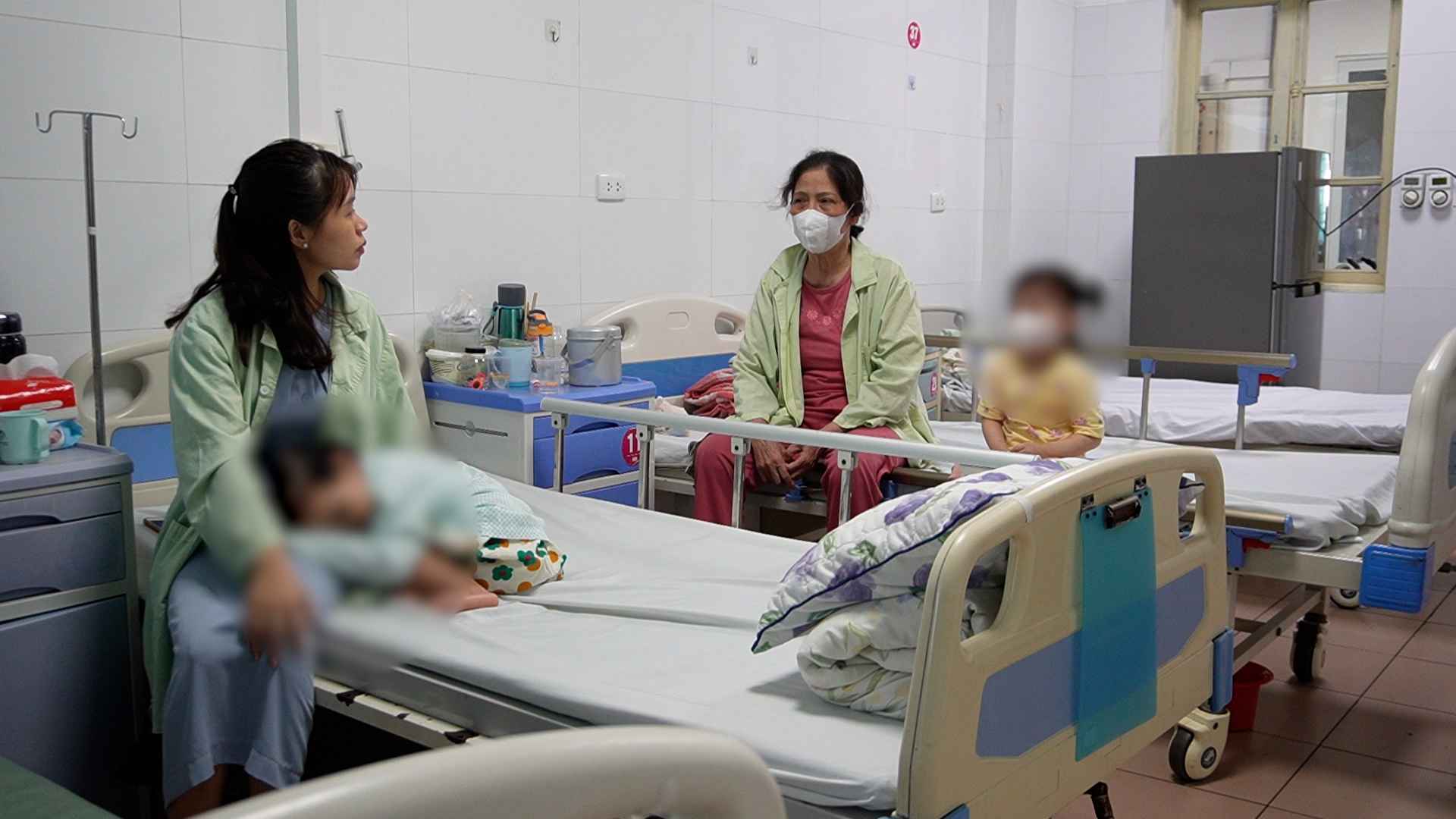
Children are often hospitalized with symptoms such as fever, blisters on hands and feet, mouth ulcers or prolonged high fever. However, not all cases have typical symptoms. Some children only have fever and sore throat but no rash on hands and feet, making diagnosis difficult.
According to doctors, EV71 virus is often more dangerous because it easily causes severe complications and atypical manifestations. The hospital recorded that about 40-50% of children treated for hand, foot and mouth disease in the last 2 months tested positive for EV71.
EV71 and CA16 do not create cross-immunity for each other. Children with EV71 can still continue to get CA16 in later times. Even after infection, the body cannot create a solid immunity, so children are still at risk of re-infection many times," the doctor emphasized.
Doctors also noted that hand, foot and mouth disease currently does not have specific treatment drugs but mainly controls symptoms, enhances nutrition, oral and throat hygiene and closely monitors the progression of the disease.
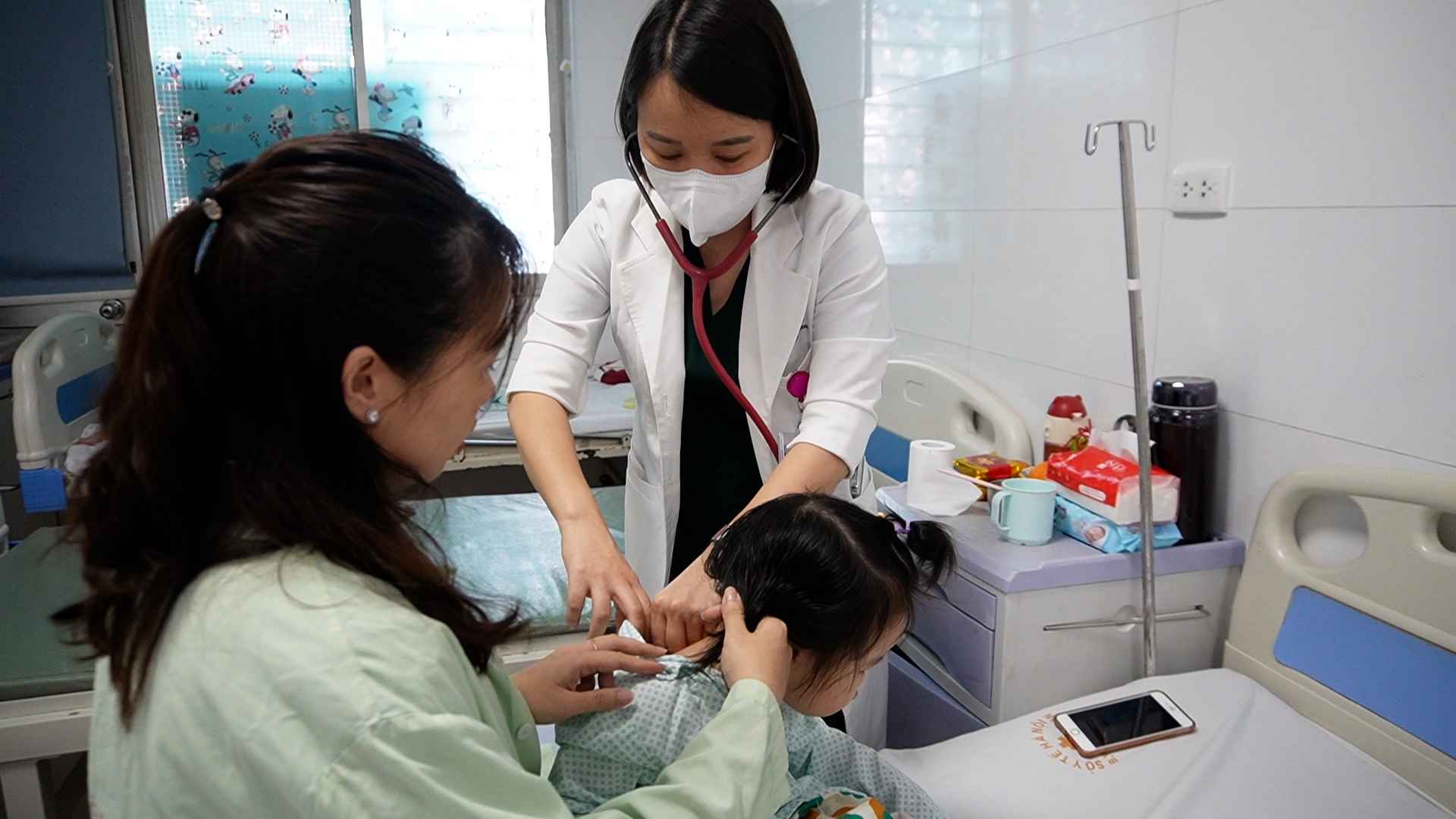
Because the disease is transmitted through the digestive tract, doctors recommend that parents should let children wash their hands regularly with soap, clean toys and personal belongings, keep the living environment clean, and limit taking children to crowded places during the epidemic season.
In addition, when children have signs of prolonged high fever, chills, tremors in limbs, convulsions or abnormal breathing, parents need to take their children to medical facilities early to avoid the risk of severe complications.


