The days of living quietly in the leprosarium
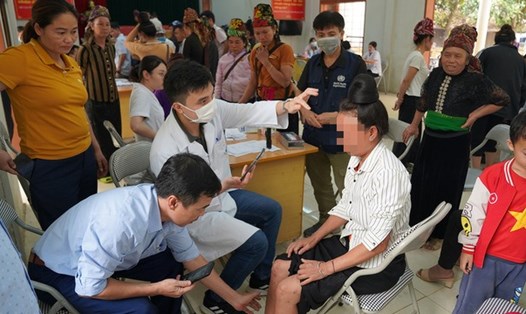
The Central Dermatology Hospital has just organized visits, Tet greetings, and gifts at leprosy treatment areas in the North (Hanoi) to share and encourage patients.
Dr. Do Thi Thanh Mai - Deputy Head of the Leprosy Treatment Department, Facility 3, Hanoi Dermatology Hospital said: Currently, the treatment area has 44 patients, the oldest person is 97 years old, many people previously lived over 100 years old. The youngest patient currently is about 46 years old, and the majority are over 80 years old.
Attached to the treatment area since 1992, Dr. Mai chose to stay even though conditions are still difficult, because of her deep affection for leprosy patients - fates she has been familiar with since childhood, when her mother also worked here from the early days of establishment.
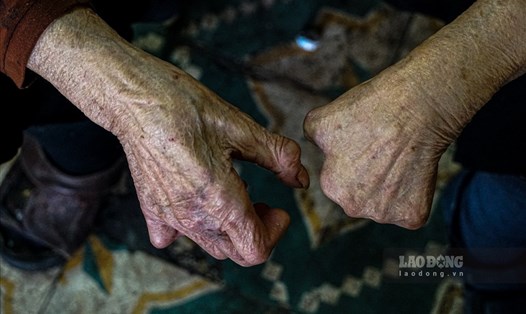
According to doctors, patients here have no longer had leprosy bacteria for many years, but have to live with the sequelae of disability left by the disease, mainly at the level of disability 2 such as spasms, amputation of limbs...
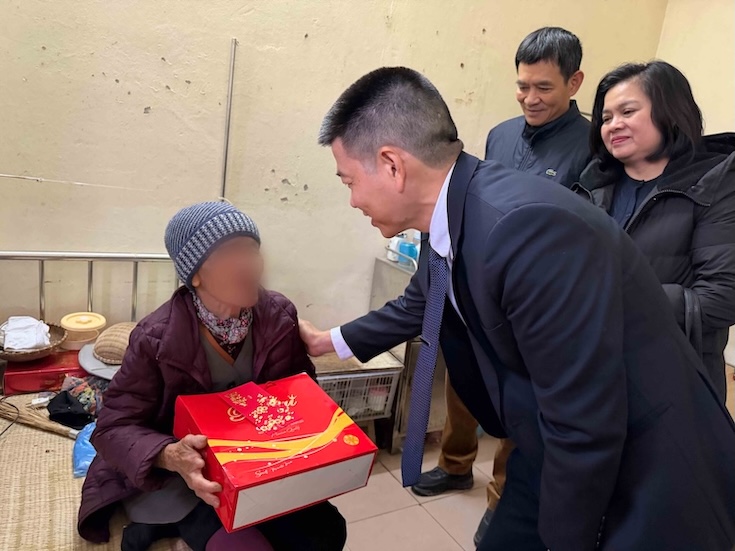
Ms. Pham Thi Thu (86 years old) has lived at the leprosy camp for more than 12 years. Every Tet holiday, Ms. Thu and members of 9 leprosy patient households living around the village look forward to delegations visiting.
Every year when Tet comes and spring returns, we welcome delegations of visitors. Being able to talk with visitors also makes me feel much more excited. Just being able to sit here and talk and laugh with each other is already very happy. That's even healthier than many people" - Ms. Thu said.
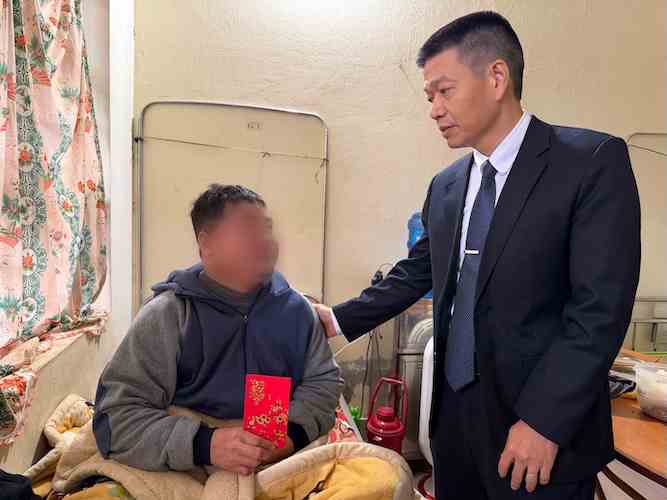
Contrary to Ms. Thu's mood, Ms. N.T. N - 89 years old (Ung Hoa, Hanoi) sat in despair on the bed and trembled because of the symptoms of the disease. Pessimistic cases like Ms. N are not uncommon.
Strongly restore disability prevention activities for leprosy patients
Assoc. Prof. Dr. Le Huu Doanh - Director of the Central Dermatology Hospital said that every year the hospital coordinates with philanthropists to organize visits, Tet greetings, and gifts at leprosy treatment areas in the North to promptly share and encourage patients every Tet and spring.
According to Assoc. Prof. Dr. Le Huu Doanh, the care and treatment of leprosy patients at treatment areas is still maintained stably. The number of new leprosy patients tends to decrease compared to previous years, but the number of people living in treatment areas has almost not changed.
Every year, the working delegation of the Central Dermatology Hospital presents hundreds of gifts and cash to leprosy patients who are living and being treated in 10 leprosy treatment areas in the Northern region.
Not only carrying the meaning of sharing material things, the visit is also an opportunity to look back at a core issue of leprosy, which is disability and stigma.
Assoc. Prof. Dr. Le Huu Doanh analyzed that society's alienation of leprosy patients mainly stems from serious sequelae such as damage to the eyes, hands, feet, and amputated limbs. These are images that were once deeply imprinted in the community's mind and became a long-lasting obsession for patients.
Leprosy, if detected and treated early, can be completely cured, patients return to normal life without leaving disability. But if detected late, when there is nerve and skin damage, even if leprosy bacteria have been cured, disability will continue to progress if not properly cared for," Assoc. Prof. Dr. Le Huu Doanh emphasized.
Therefore, the leprosy program still manages long-term patients who are already disabled, guides care, physical therapy, and builds a separate care regimen for severe cases.
In 2025, the Central Dermatology Hospital strongly restored disability prevention activities, notably the program to install prosthetic limbs for leprosy patients. The hospital expects to expand this program to the Central and Southern regions in 2026, meeting the needs of leprosy patients nationwide.
Prosthetic limbs are not just a means of support, but for leprosy patients, they are almost a "new pair of legs", helping them walk, live and integrate into the community almost normally," Assoc. Prof. Dr. Le Huu Doanh shared.
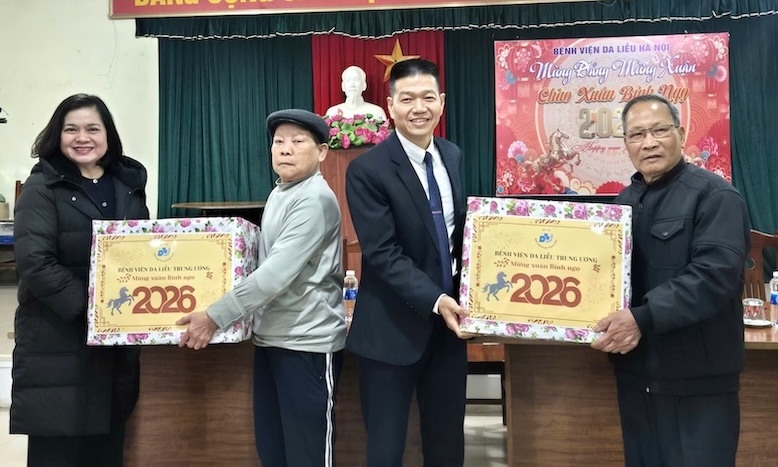
Mr. Ngo Tam Cuong - representative of the Patient Council at the Leprosy Treatment Center, Facility 3, emotionally shared: "Many people here no longer have families. Tet is the saddest time. Therefore, the fact that doctors and nurses do not mind the long distance and harsh weather to visit and wish us a Happy New Year really moves us.
According to Mr. Cuong, it is the presence, handshakes, and greetings that brought spring earlier to the treatment area - a spring of warmth, sharing, which is a great source of spiritual encouragement for leprosy patients.