
For nearly 1 month, the keyword "neuploblast" has become the focus of anxiety for many families in the Mekong Delta, especially after information about deaths in Phu Quoc (An Giang province), or cases of intensive care at Can Tho City General Hospital.
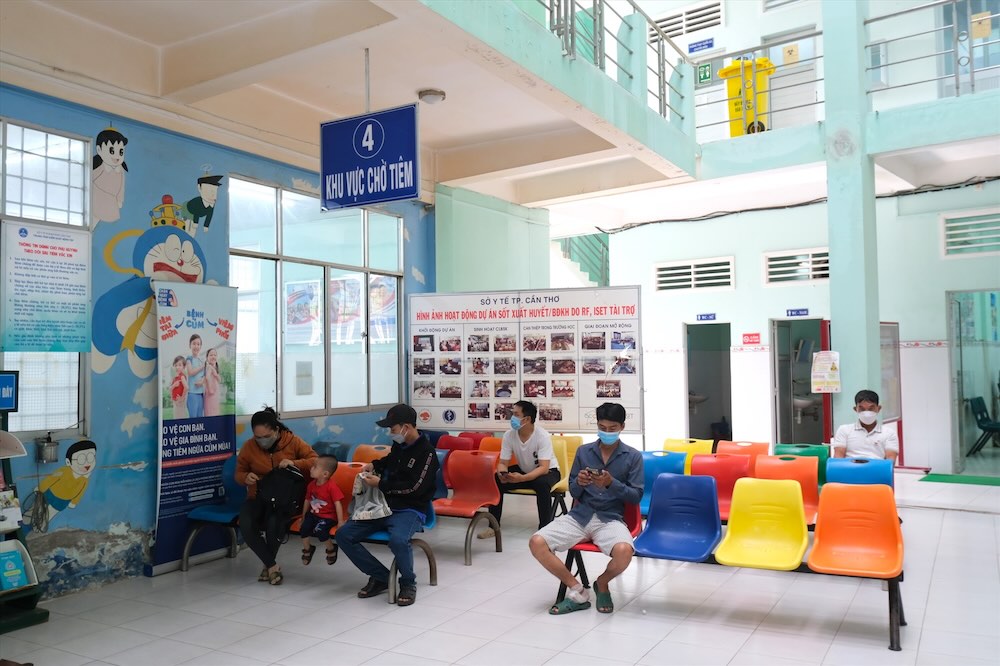
At noon on March 25, quick information from the Can Tho City Center for Disease Control (CDC), in recent days, the number of people coming to register for meningococcal meningitis vaccine has increased compared to the previous period. Currently, the unit provides enough vaccines for people.
In general, parents in Can Tho proactively take their children for vaccination according to the doctor's appointment.
According to the Can Tho health sector, people's concerns are well-founded, but instead of panic, proactively building a "shield" with vaccines and medical knowledge is the best way.
It is known that in Can Tho City, in 2025, 4 cases of meningococcal disease were detected, with no deaths recorded.
Previously, Can Tho City CDC also recommended that people regularly practice personal hygiene such as: washing hands with soap and gargling, nasal drops with conventional antiseptic solutions; strengthening body resistance with adequate nutrition, exercise, reasonable rest; workplaces and residences need to be regularly cleaned and ventilated. When there are signs of high fever, headache..., it is necessary to go to a medical facility for examination and treatment immediately.
As Lao Dong newspaper reported, on March 6, news from Can Tho City General Hospital said that doctors had successfully saved a patient with Type B meningococcal infection.
One day before the critical condition, the patient had symptoms of high fever, lethargy and systemic pain like a common cold.
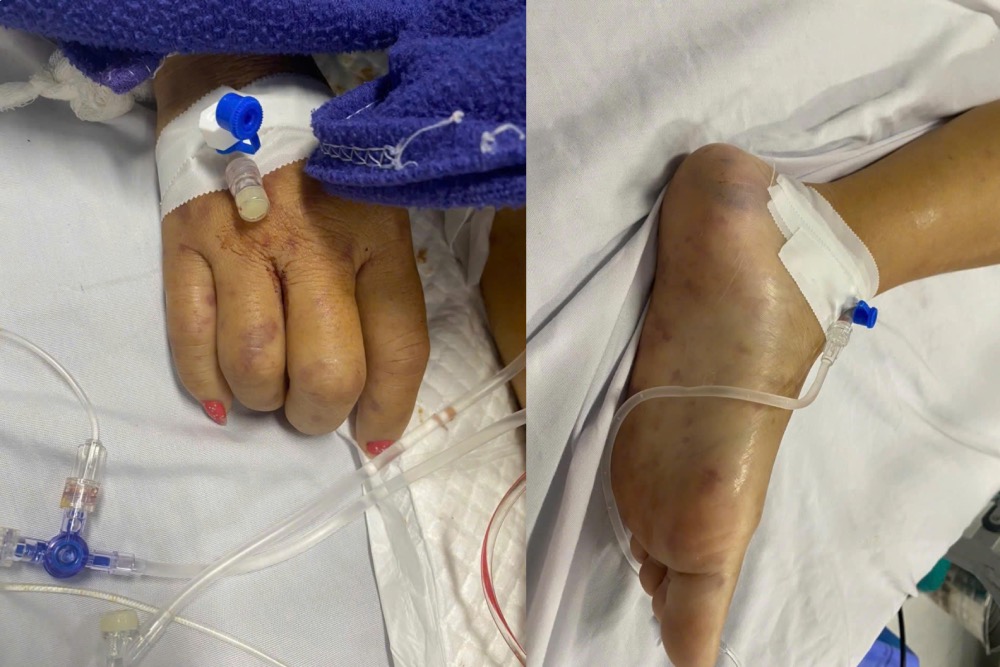
Doctors at Can Tho City General Hospital said that meningococcal infection is an acute respiratory infectious disease with very diverse clinical manifestations, including a severe clinical case with a high mortality rate of septicemia like in this patient.
The disease occurs suddenly and rampantly and progresses quickly to endotoxin shock, cardiovascular collapse, acute kidney failure, and blood clotting disorders, often progressing critically and dying rapidly in the first 1-2 days if not diagnosed and treated actively.
Fortunately, in the above case, after 12 days of treatment and intensive care, the patient responded well to treatment and improved.


