
Pressure behind each surgery
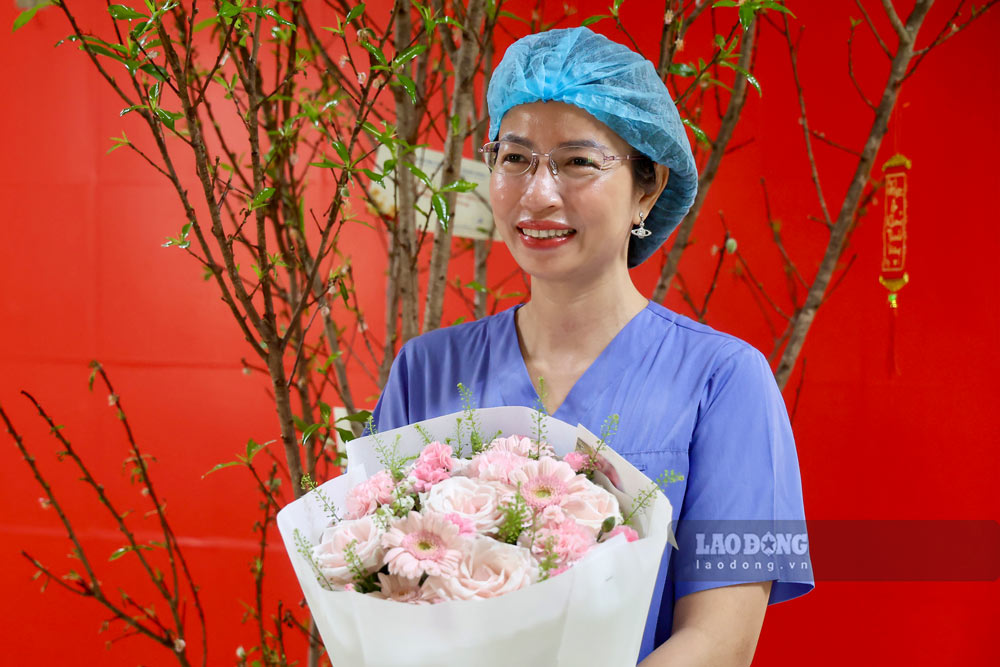
Nearly 20 years of working at the Central Ear, Nose and Throat Hospital, more than 15 years attached to the Neurological Ear specialty, Dr. Le Hong Anh - Head of the Neurological Ear Department - has performed hundreds of surgeries each year. Among them, many cases have had cochlear implants, regained hearing after a long period of hearing loss, even sudden deafness.
According to Dr. Le Hong Anh, neurosurgery is not just a technical operation but a combination of accurate diagnosis, a tight treatment strategy and the bravery of the person holding the scalpel. Every decision made before surgery must be carefully considered, because behind it are the expectations of the patient and family.
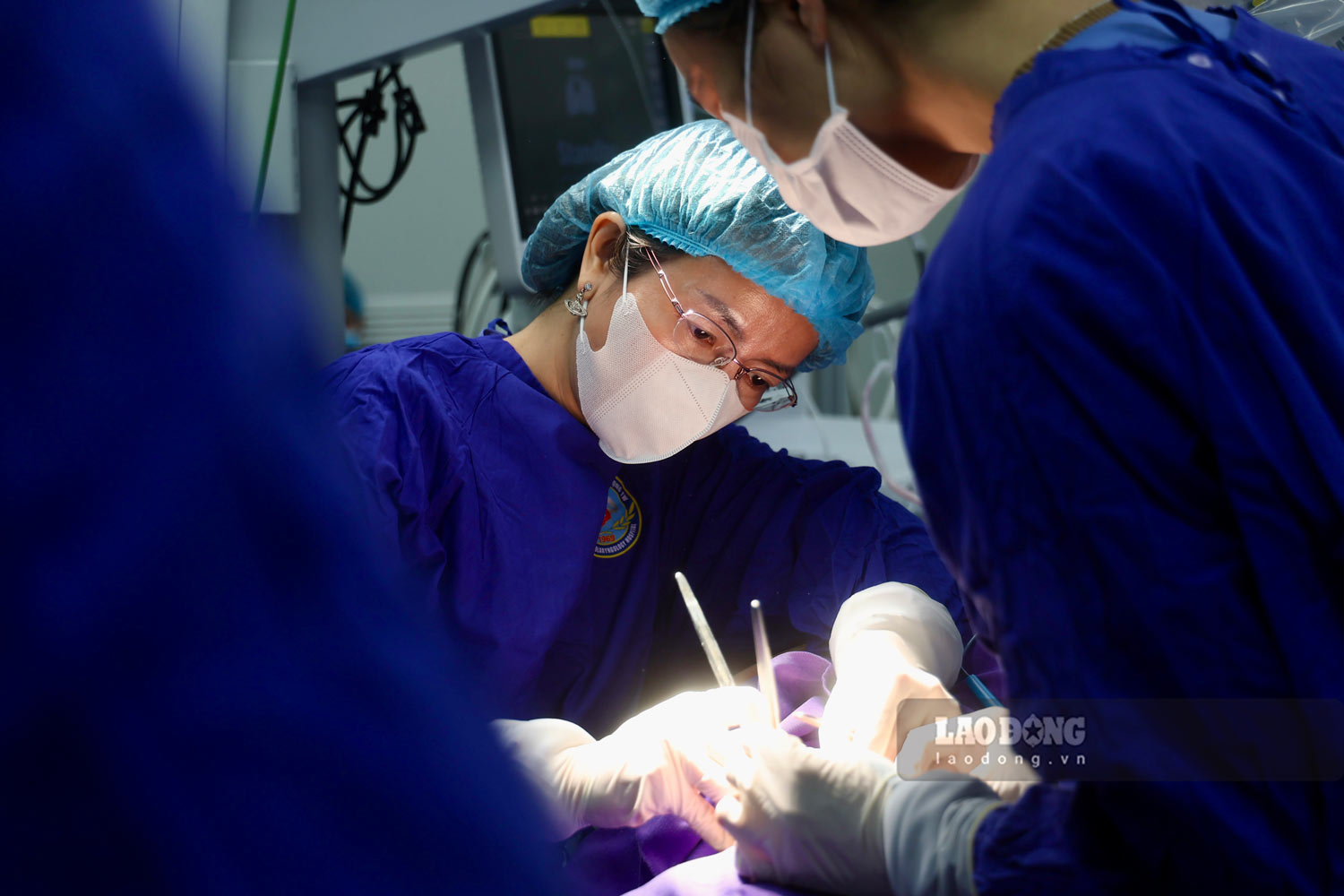
I have worked and studied at the hospital for nearly 20 years. For more than 15 years in the Neurological Ear specialty, I have examined and operated on many patients. This is a very meaningful job, but before each surgery, doctors must diagnose correctly, develop a coherent treatment plan and enter the operating room with confidence," the doctor shared.
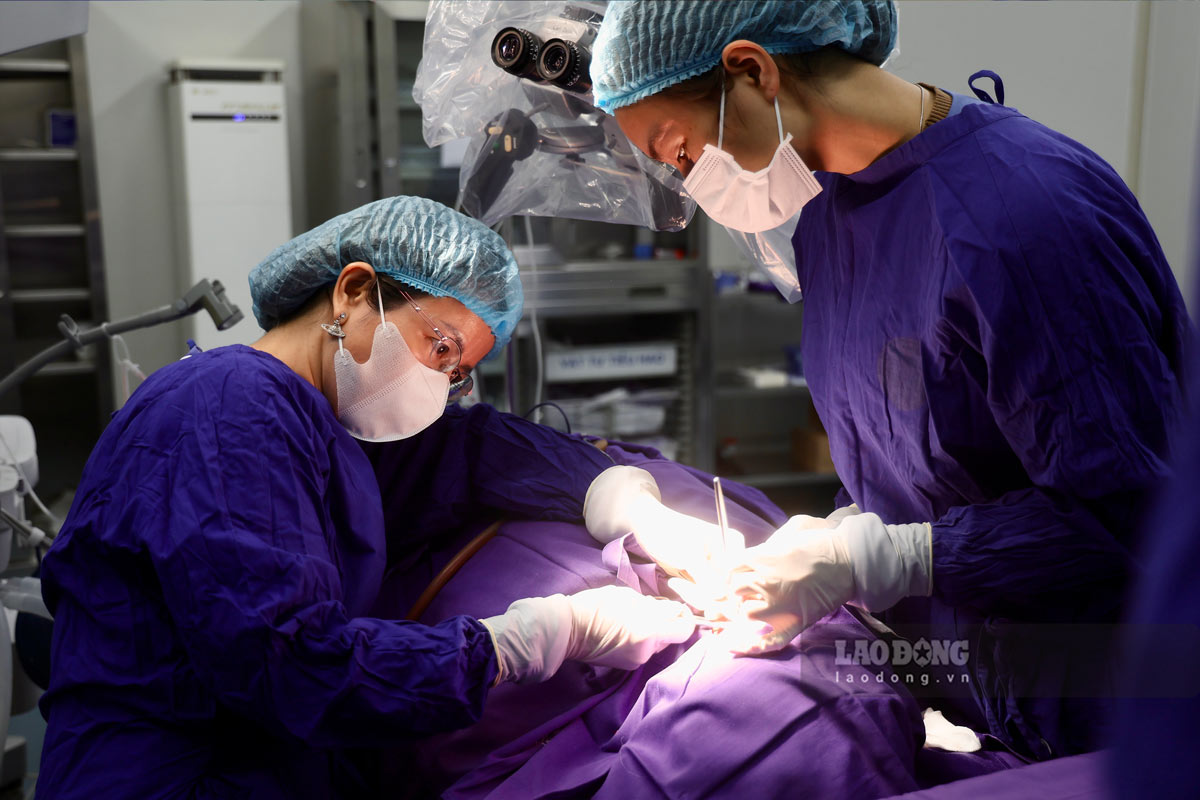
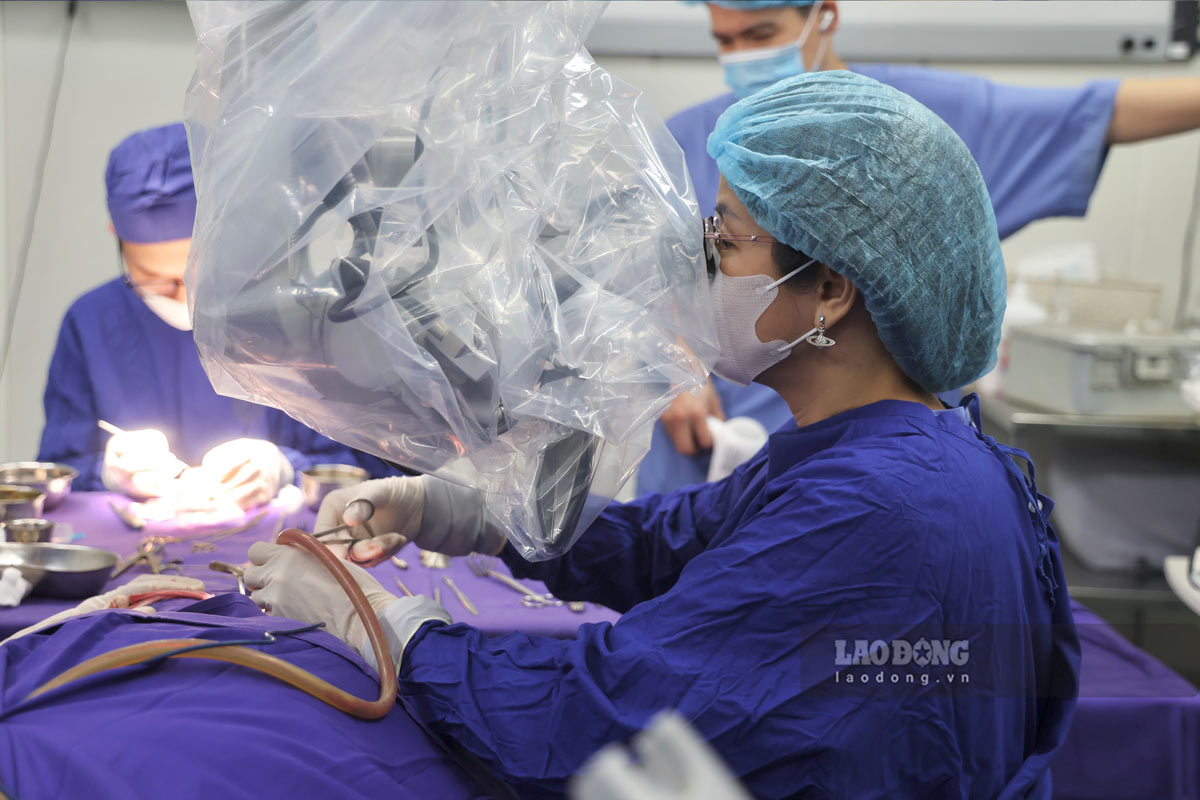
The characteristic of neurosurgery is auditory rehabilitation intervention - a function associated with communication, learning and quality of life. The operations require high sophistication and accuracy. Just a small mistake can make the patient not achieve the expected effect, even facing the risk of complications related to the facial nerve or adjacent structure.
Therefore, according to the female doctor, surgeons must constantly update knowledge, practice skills and maintain professional bravery. "Always need a warm heart but the head must be really alert," the doctor said.
The worries behind the sound doors closing
In the journey of working, what worries doctors is not only professional pressure, but also the stories behind each patient.
There are adults who are in normal physical condition but lose their hearing, causing them to withdraw, limit communication and gradually feel lost in the crowd. The saying "lonely in a sea of people" that a patient once uttered became a nightmare for doctors.
Or for families with children with congenital hearing impairments and deafness, the desire is sometimes simply to hear their children call "Mommy", "Dadmy". It's not just sound, but connection and hope. "That is a great happiness for them," shared Dr. Hong Anh.
About half a year ago, a patient over 30 years old with hearing loss due to sequelae of streptococcal meningitis was taken to the hospital by his family for examination. Through evaluation, doctors advised urgent cochlear implant surgery because the risk of inflammation and cochlear fibrosis progressed very quickly in this group of patients. However, due to difficult economic conditions and not fully realizing the severity, the family asked to go home.
Only about 3 months later, the patient fell into a psychological crisis, showed signs of depression and returned to the hospital wanting treatment. When re-examined, the cochlea was completely ossified, and there was no longer a possibility of surgical intervention to restore hearing. That is one of the cases that caused doctors a lot of concern.
According to the doctor, the consultation at that time may not be clear enough for the family to fully understand the urgency of the disease. From the patient's story, the doctor believes that it is necessary to strengthen communication to make people more aware of the risk of losing treatment opportunities.
Because when the "door" of sound closes, the future of a young person may be deeply affected. For a doctor, every missed opportunity is also a lesson to do better in the future.
Journey to find sound again after nearly 6 years
The case of Mr. Pham Van Hai (Phung Cong commune, Hung Yen province) is one of many cases that left a deep impression. After nearly 6 years of hearing loss and then sudden deafness, he once fell into a state of deadlock. He went to many places for examination, tried many methods, including traditional medicine, but his hearing did not improve.
Only when friends introduced him did he decide to go to the hospital for cochlear implant intervention. After more than 6 months, he could hear clearly and could comfortably chat with relatives and friends.
After the surgery, I and my family were very nervous, not knowing what would happen. After a while, from not being able to hear anything to recovering my hearing ability, I was very excited, my spirit was more relaxed and optimistic. Thank you very much doctor for helping me on this journey" - Mr. Hai excitedly shared.
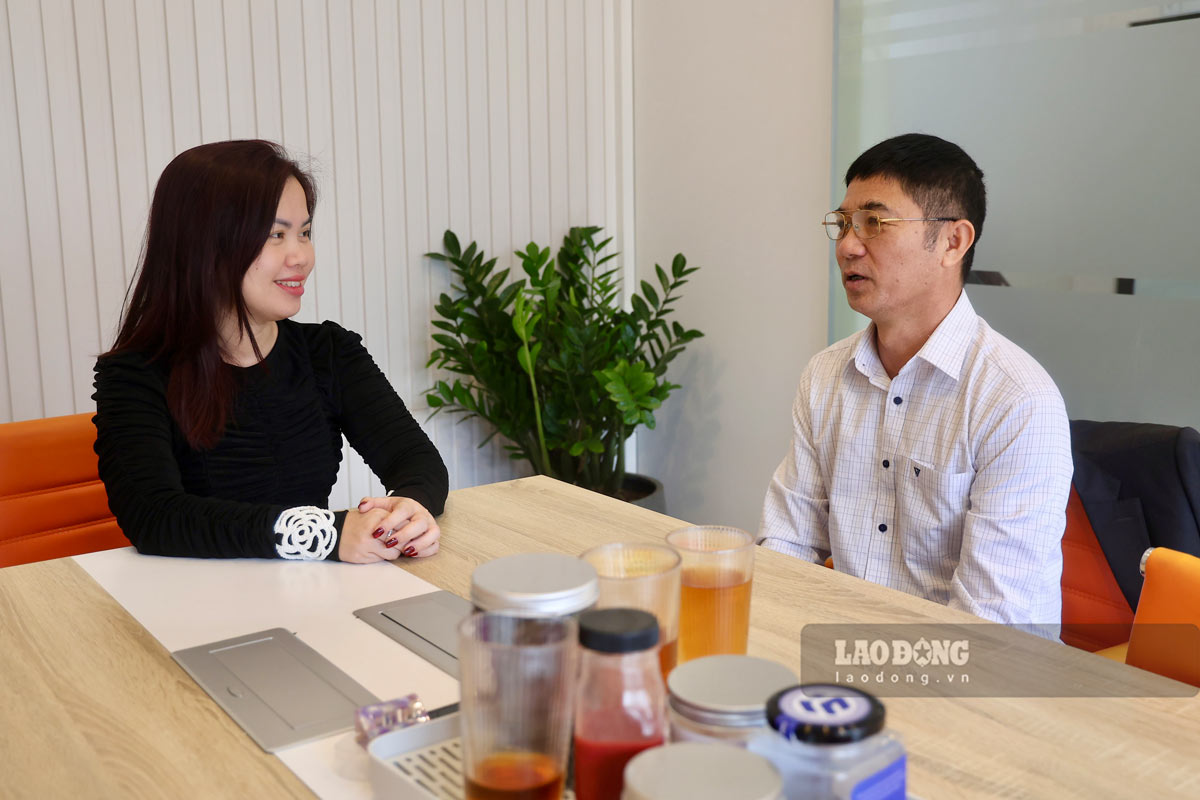
Looking back at the past journey, Dr. Le Hong Anh believes that the medical profession has never been a smooth path. In addition to professional foundation, doctors need perseverance, compassion and bravery to go all the way with the profession.
After many years in the profession, what this doctor cherishes most is not the number of surgeries, but the trust and gratitude through open letters from patients of all ages and regions. "That is a feeling that not every profession can have," Dr. Hong Anh expressed.
For doctors, each successful surgery is not just a professional result. It is also the moment a sound door is opened, so that patients can continue to walk in a more complete and confident life.


