
Not just a "lonely" nursing home
The population aging process is creating great pressure on the health and social security systems. Meanwhile, the traditional nursing home model is gradually revealing many limitations, especially in terms of psychology and family cohesion. Therefore, many people want to find a model that not only the elderly but also families of many generations can unite.
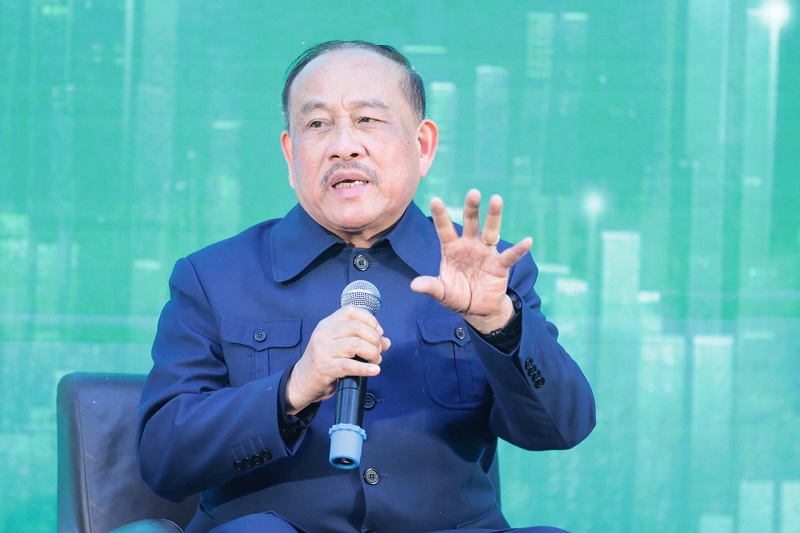
Professor, Dr. Nguyen Huy Nga, former Director of the Department of Preventive Medicine, Ministry of Health, Director of the Institute for Health Research of the Elderly and Community Health, said that caring for the elderly is not only a medical issue but also a story about living space and emotions.
He gave a poignant comparison image. At the school gate, parents eagerly wait for their children to finish school. At many nursing homes, every weekend, many elderly people still stand at the door waiting, but "there is not a single child". Initially, children visit regularly. After a few months, deprivation gradually appears due to work pressure and urban rhythm. This creates a feeling of being separated from family life. A closed living environment easily creates a feeling of confinement and loneliness.
Especially on holidays and Tet, when children and grandchildren want to go far away, taking care of elderly parents becomes a great burden both financially and psychologically. The cost of hiring caregivers can be up to 7-8 million VND per day and night, not to mention the risk of service quality. In addition, patient care in the final stage also poses a major challenge. Hospitals are often overloaded, unable to keep seriously ill patients for long-term treatment. Home care exceeds the capacity of many families. This gap is creating a large demand for nursing models associated with specialized medicine.
From the above reality, Professor, Dr. Nguyen Huy Nga believes that the nursing home model needs to change. Instead of just nursing home rooms, many people want to have complex apartments combined with therapy and health recovery. Unlike traditional nursing homes, this model is suitable for the preferences and needs of many generations. Old people can be treated, young people can be "healed".
The core factor lies in the health ecosystem integrated right in the residential area. Elderly people are monitored 24/7 health through wearable devices, smartwatches, and direct connection to medical centers. Indicators such as blood pressure, heart rate, blood sugar, and sleep quality are continuously updated, helping to detect risks early.
Even when children work in the US, Ho Chi Minh City or other localities, they can still monitor their parents' health status through a digital data system. In parallel with that are disease-based nutrition services, room meal support, and ensuring a scientific lifestyle.
According to Professor, Dr. Nguyen Huy Nga, for the elderly, the place of residence is not only for shelter but must be a place capable of timely emergency care when a stroke occurs, quickly handling health incidents and having a connected referral system. Therefore, the criteria for integrating healthcare are increasingly placed on the factor of location or area.
Resort real estate transforms according to healthcare needs
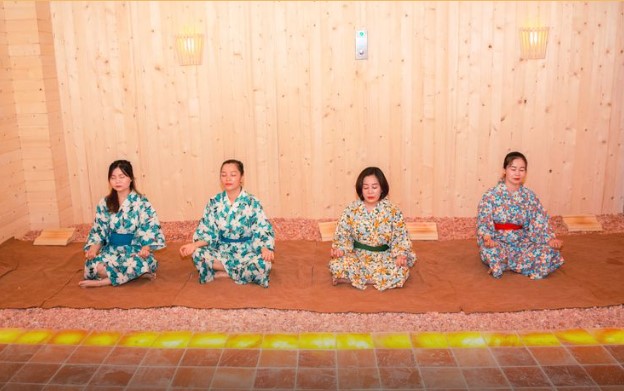
Along with therapeutic apartments, real estate projects associated with hot mineral therapy are also highly appreciated. Many studies show that mineral bathing helps improve blood circulation, reduce joint pain, support sleep, and restore physical condition for the elderly. When integrated right in the residential area, this therapy becomes a daily health care activity, instead of just being short-term retreat.
The "resit" trend in resort real estate projects has been emerging since 2025. According to a report by DKRA Consulting, this year, the market recorded more than 13,000 resort real estate products, including villas, townhouses and tourist apartments, being offered for sale, an increase of about 25% compared to the previous year. Newly opened supply alone increased by 33%. Consumption reached about 4,000 products, an increase of 1.3 to nearly 2 times compared to the same period in 2024.
The Vietnam Real Estate Brokers Association said that supply in 2025 increased fourfold compared to 2024, with an absorption rate of about 55%. Transactions are mainly concentrated in coastal cities and large-scale resort cities, developed by reputable investors. This trend also contributes to attracting cash flow from residential real estate in the context of market restructuring.
It's a bit of a bit of a bit of a bit of a bit of a bit.


