
Transformation from grassroots level
The change in resolving land procedures is clearly shown in localities as data is increasingly standardized and synchronously connected. Thanks to that, grassroots officials can proactively check and verify information from the beginning, limiting the situation of backlogs or having to process many times.
The Economic Department of Ganh Hao commune, Ca Mau established 13 working groups in charge of professional staff of the Economic Department and the Commune Police. The working groups have the task of reviewing, statistically analyzing, classifying, collecting and updating land data to the land use right certificate management system of VNPT Ca Mau.
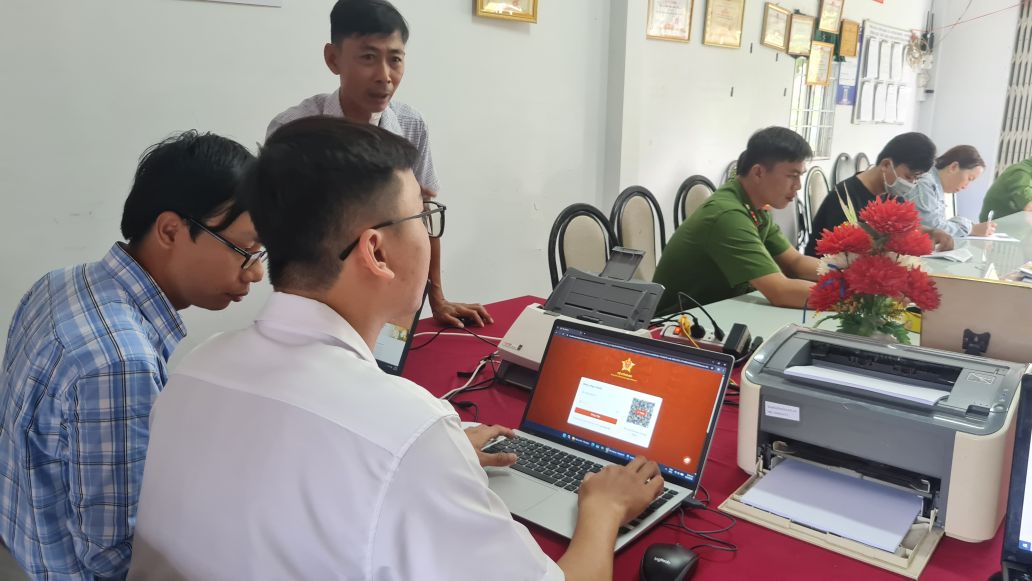
The Economic Department of Ganh Hao commune coordinated with hamlets to confirm the list of households registered to participate in livelihood diversification projects, develop poverty reduction models, support agricultural production development and guide procedures for implementation according to regulations.
Ms. Cao Cam Hang, a civil servant of the Economic Department of Vinh Phuoc Commune People's Committee, said that searching for data on the system helps officials process dossiers faster and reduce errors in the process of resolving procedures. Dossiers that are about to expire are also proactively coordinated with specialized units for timely processing.
From the people's side, changes in resolving land procedures are also felt more clearly. Mr. Nguyen Van Huan, residing in Bac Lieu ward, said that previously each time land procedures were carried out, they often took a lot of time due to having to verify through many steps, even having to go back and forth many times to supplement dossiers.
Now land information is much more stable. I just need to go to the ward to complete procedures, and officials guide me very quickly, the dossier is resolved more conveniently than before, and I no longer spend much time traveling.
Data synchronization, processing progress control
Land is an area with a large number of dossiers and complex settlement procedures. Each dossier must go through many stages of verification, comparison and inter-agency connection between specialized agencies. Just one slow step or unsynchronized data can affect the settlement time.
Many cases of slow processing of dossiers in the past originated from people not completing dossiers, not fulfilling financial obligations, or data between tax authorities and the land management system not being fully connected. At times, financial obligation notices have been issued but data has not been updated in time on the system, affecting the progress of dossier resolution.
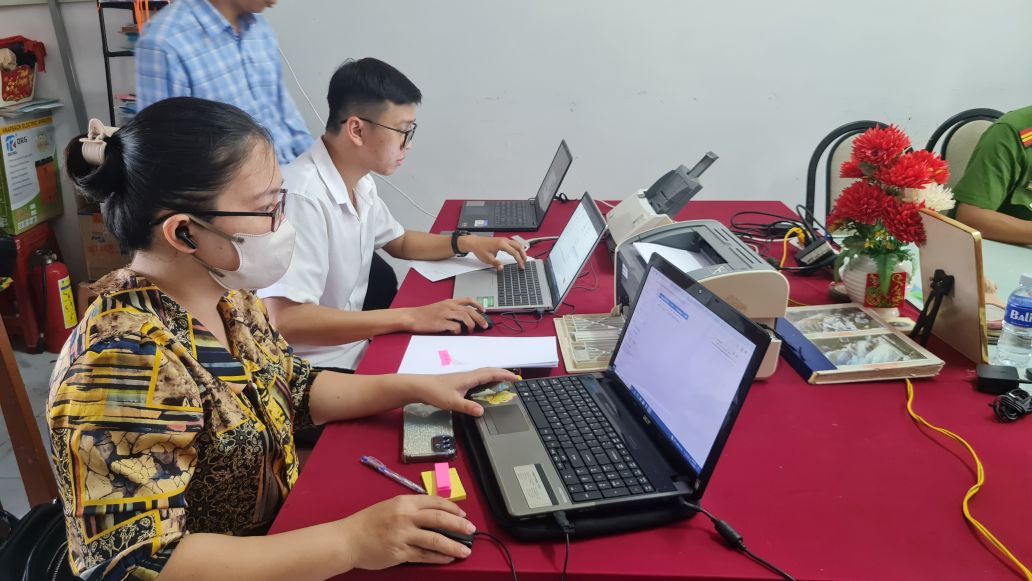
To overcome this situation, the Department of Agriculture and Environment has synchronously implemented many solutions from upgrading technical systems to reviewing the process of receiving and processing dossiers. The responsibility of each responsible official is also clearly defined in each processing stage.
Currently, all land records in the province are monitored on the electronic software system. Each record shows the receipt time, result return deadline, handling status and responsible officials. Records that are about to expire are proactively reminded to speed up progress; cases of delays are reviewed for causes and specific responsibilities are determined.
Interconnecting data on land plot change history, planning information and financial obligations also contributes to shortening the processing time for people's dossiers.
If in the first quarter of this year, the whole province recorded more than 2,200 overdue land dossiers, so far only 18 dossiers have been delayed. This result reflects positive changes in the work of resolving administrative procedures in the field of land in the province.


