
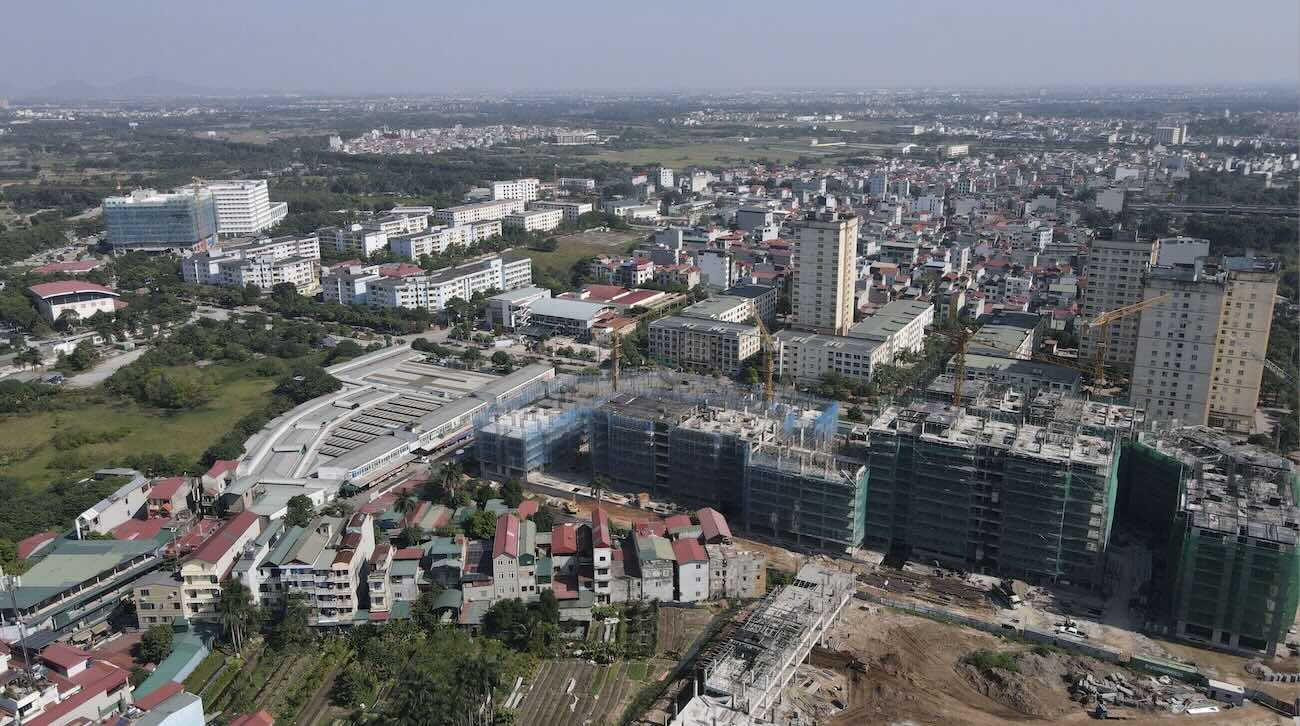
The core bottleneck still lies in the benefit problem
According to Dr. Tran Xuan Luong - real estate expert, National Economics University, in the previous period, most projects, especially projects located in the central area, many investors often chose the option of paying money instead of reserving land funds to develop social housing.
The main reason is the limited land fund in the inner city. Allocating 20% of the land area in the project to build social housing may make the profit efficiency not high, and at the same time affect the synchronicity and brand of the project.
For projects in areas outside the city center, where land funds are larger and site clearance costs are lower, allocating land funds for social housing is considered more feasible. However, in reality, this 20% land fund does not always have a favorable location.
There are cases where land funds are located in areas with weak infrastructure connections, near cemeteries or have disadvantages in planning, causing many difficulties for the development of social housing.
According to Dr. Tran Xuan Luong, the core bottleneck still lies in the problem of benefits and needs. If economic efficiency is not ensured, businesses will not be enthusiastic about participating. Meanwhile, many land plots, although large in area, are far from the center, infrastructure is not synchronized, not convenient for living, studying and working, so it is difficult to attract buyers.
This expert also said that in some cases, the supervision and management work is not really strict, there is still a situation of not being close or there is "loosening", leading to the obligation to allocate social housing land funds in projects not being fully implemented.
To both develop modern urban areas and ensure social security, Dr. Tran Xuan Luong proposed that Hanoi needs to change its planning thinking towards compact urban areas, associated with the development of public transport, especially the urban railway system.
Accordingly, the public transport-oriented urban development model (TOD) needs to be strongly applied. In a radius of about 800m around urban railway stations, the 200m core area should be prioritized for development with high density, convenient for people to walk and use public transport.
Dr. Tran Xuan Luong said that urban development associated with public transport not only helps solve the problem of infrastructure and population density but also limits rampant urban expansion, avoids land waste and reduces environmental impact. At that time, social costs will decrease, while creating better conditions for housing development, including social housing.
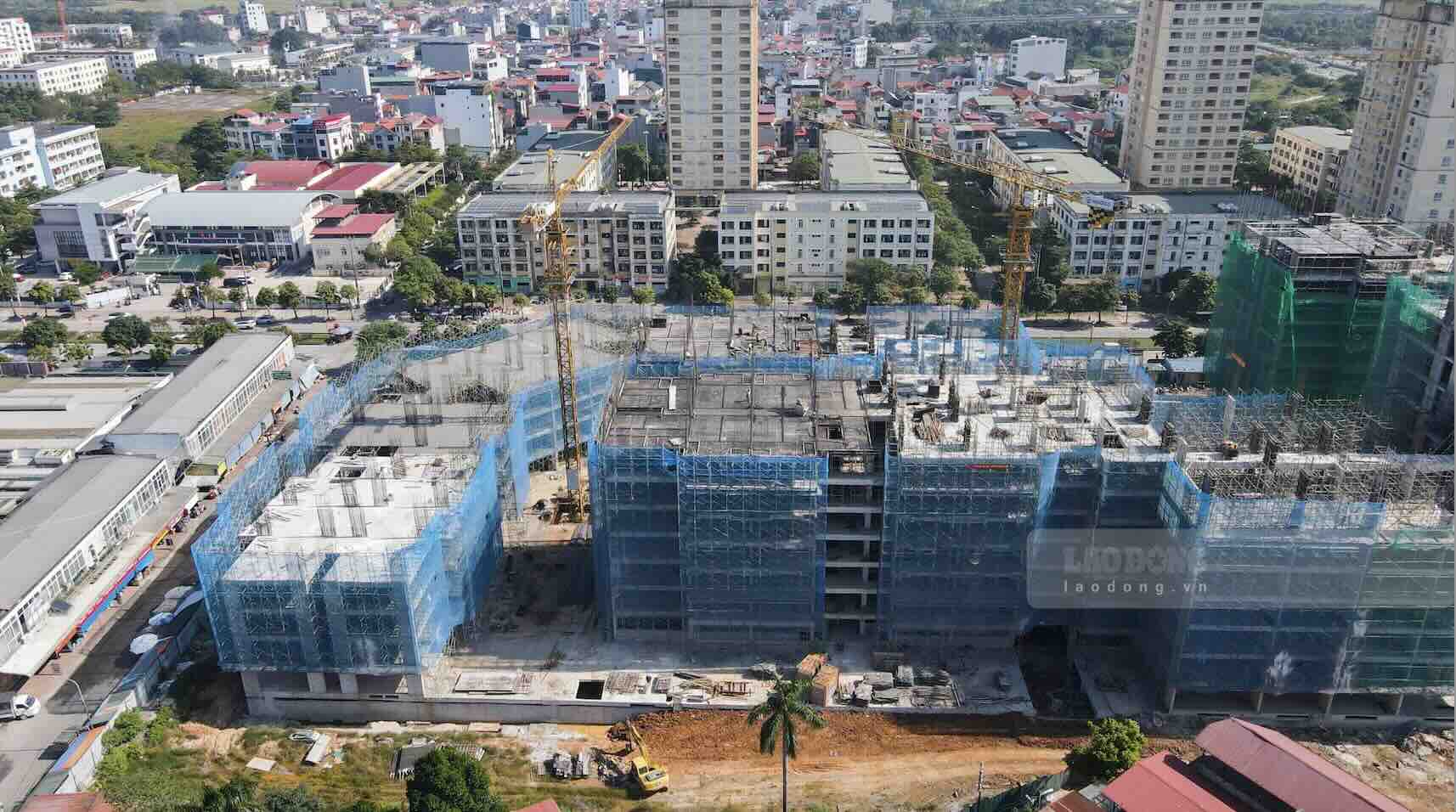
Incentives need to be linked to progress and implementation results
From a legal perspective, lawyer Le Hang - TAT Law Firm - said that in the context of many large-scale projects in Hanoi not allocating social housing land funds, the issue raised is not only whether there is a violation or not, but also how the law is designed and implemented through each stage.
According to lawyer Le Hang, it is necessary to review the entire chain of responsibilities from planning, approval to the implementation process, instead of just putting the issue at a specific subject. The gap is not only in regulations, but also in the transition mechanism and control of obligations in practice.
Lawyer Le Hang emphasized that the issue should not be approached in an extreme direction, pushing all obligations to businesses. The State needs to design a transparent mechanism, businesses need to be able to forecast costs and obligations, and people need to be guaranteed the right to access social housing.
However, if incentives are not linked to specific implementation responsibilities, policies are very likely to be "deviated". Businesses may receive land, tax or credit incentives, but the implementation of social housing is slow, reduced in scale, or not in accordance with commitments.
From there, TAT Law Firm believes that incentives need to be linked to the progress and results of implementation. When obligations are clearly defined from the beginning, controlled in the implementation process and bound by specific responsibilities, social housing will no longer be a "forgotten" part in large projects.


