
According to the provisions of Decision No. 25/2026/QD-UBND amending and supplementing a number of contents of Decision No. 33/2025/QD-UBND, from February 23, 2026, the framework price for apartment building management and operation services in Hanoi is adjusted with a maximum ceiling of 16,500 VND/m2/month for apartment buildings with elevators.
The price framework for apartment building management and operation services is divided into two groups: with and without elevators. For apartment buildings without elevators, the minimum price is 700 VND/m2/month, the maximum is 5,000 VND/m2/month. Meanwhile, apartment buildings with elevators apply prices from 1,200 VND/m2/month to 16,500 VND/m2/month.
The large difference between the two apartment groups reflects the specific operating costs. Buildings with elevators often incur many expenses related to electricity, technical system maintenance, management personnel, security, sanitation and equipment maintenance. These are factors directly affecting the service fees that residents have to pay monthly.
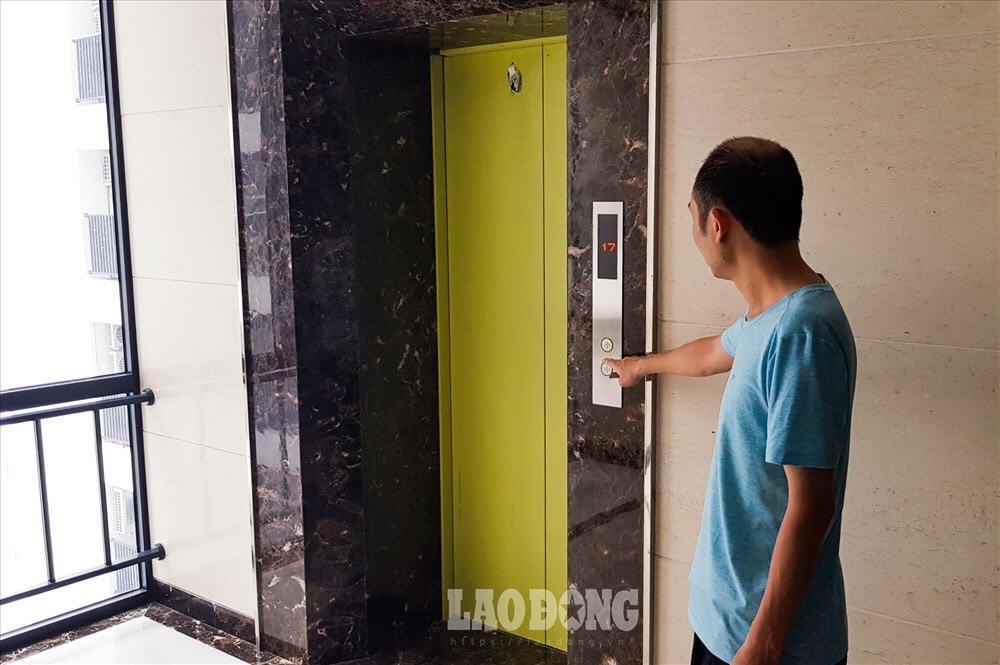
Notably, the above price frame does not include compulsory fire and explosion insurance premiums, remuneration from the Board of Directors, as well as revenues from high-end services such as swimming pools, saunas, cable TV or internet. This means that the total actual cost at some apartment buildings may be higher than the basic operating management fee, depending on utilities and agreements between residents and management units.
The new regulation also sets out the requirement to strengthen supervision from local authorities. Commune and ward People's Committees are responsible for inspecting the activities of investors, operating management units and Management Boards, especially in the content of financial management of services for public assets. At the same time, this agency is responsible for coordinating the handling of disputes arising at apartment buildings.
Reality over the past time shows that apartment service fees are one of the common causes leading to conflicts between residents and operating units. There are many cases where residents reflect that the collection level is high but the service quality is not commensurate, or there is a lack of transparency in publicizing revenue and expenditure.
Establishing minimum and maximum price frames helps create a clearer legal corridor, limiting arbitrary fee collection. However, the specific fee level at each building still depends on service standards, construction quality, utility system and consensus between stakeholders.
Regarding disputes over operating management costs and maintenance costs of common ownership, the settlement is carried out in accordance with the provisions of the Housing Law. This is an important legal basis to ensure the legitimate rights and interests of residents as well as management entities.


