
Many families have a habit of washing pork with concentrated salt water immediately after buying it with the thought of helping to kill bacteria. However, according to experts, this method not only does not completely eliminate bacteria but can also reduce the natural freshness of the meat.
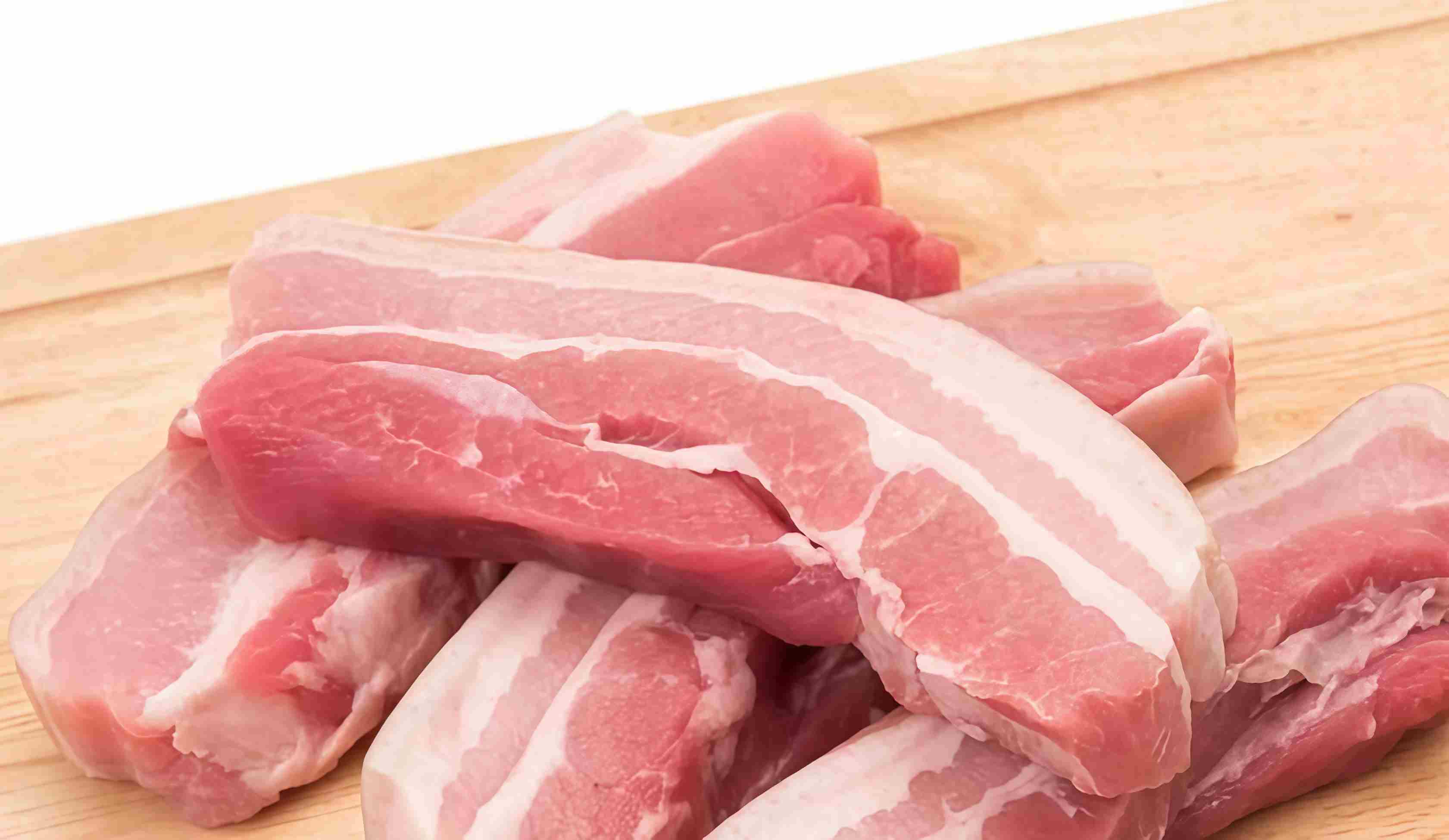
Washing meat properly plays an important role in ensuring food safety, helping to remove dirt and surface bacteria while retaining nutrients and flavor. Here are necessary notes:
Do not wash meat under strong tap water
Washing pork directly under strong running water can cause bacteria to spray around, stick to sinks, kitchen utensils and other surfaces, thereby increasing the risk of cross-infection during processing.
Use clean water or diluted salt water
Instead of using concentrated salt water, people should dilute the solution in a ratio of about a spoonful of salt in one liter of water. Soak the meat for about 3-5 minutes and then wash it again with clean water. This will help to deodorize mildly without affecting the quality of the meat.
Using white wine or vinegar
In some cases, white wine or diluted vinegar can be used to clean the meat. Just use a small amount, gently squeeze and then wash with clean water. This method also helps remove fishy smells, clean bleeds and has a mild antiseptic effect.
Drain before processing
After washing, the meat should be drained or dried with a clean tissue before cooking. This helps limit bacterial growth and maintain the freshness of the ingredients.
Instead of focusing too much on meat washing, consumers should choose guaranteed food sources with controlled hygiene and safety. At the same time, the thorough cooking process is the most important factor to kill bacteria and ensure safety for family meals.


