
In this conference, there is not much "respect" and discussion of macro issues. Nearly 20 direct questions from workers are all very direct, very specific questions about policies, about salaries, wages, about responsibilities in labor disputes, about a polluted road, about improving housing in an industrial park....
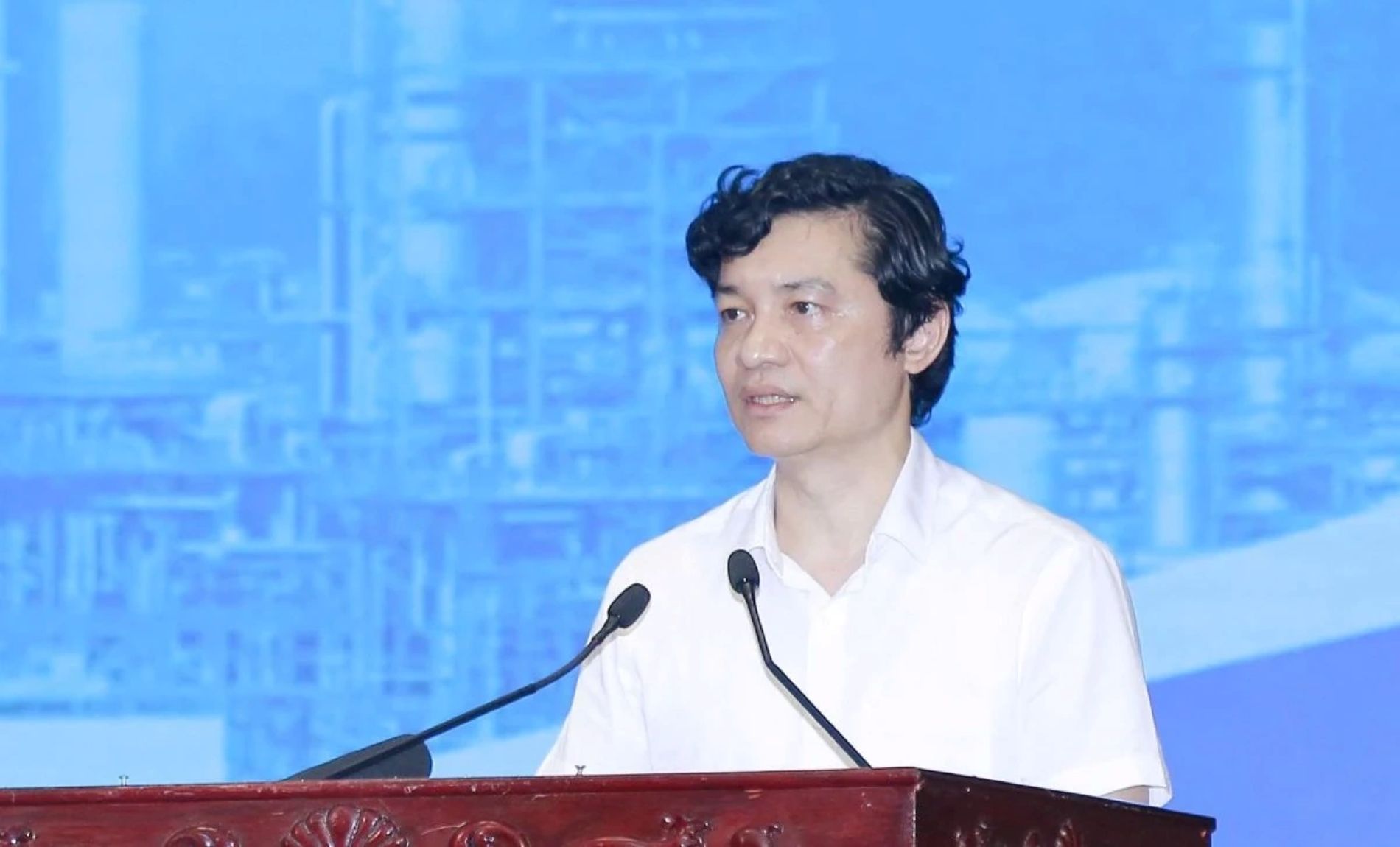
In response, the answers of all levels and sectors and of Mr. Mai Xuan Liem himself - Standing Vice Chairman of the Provincial People's Committee were also very specific, frank, going straight to the point, without being evasive or citing.
At the end of the conference, many workers expressed regret because the time was only 1 session while there were still many issues and many people wanted to have a dialogue. That regret is a positive sign, the success of the annual conference.
Not only workers and laborers regret it, but the provincial leaders also believe that dialogue and listening to opinions and recommendations of workers must be more frequent. Mr. Mai Xuan Liem frankly said that it is not necessary to wait until the conference is held once a year, but listening to workers must be regular quarterly, monthly, even weekly.
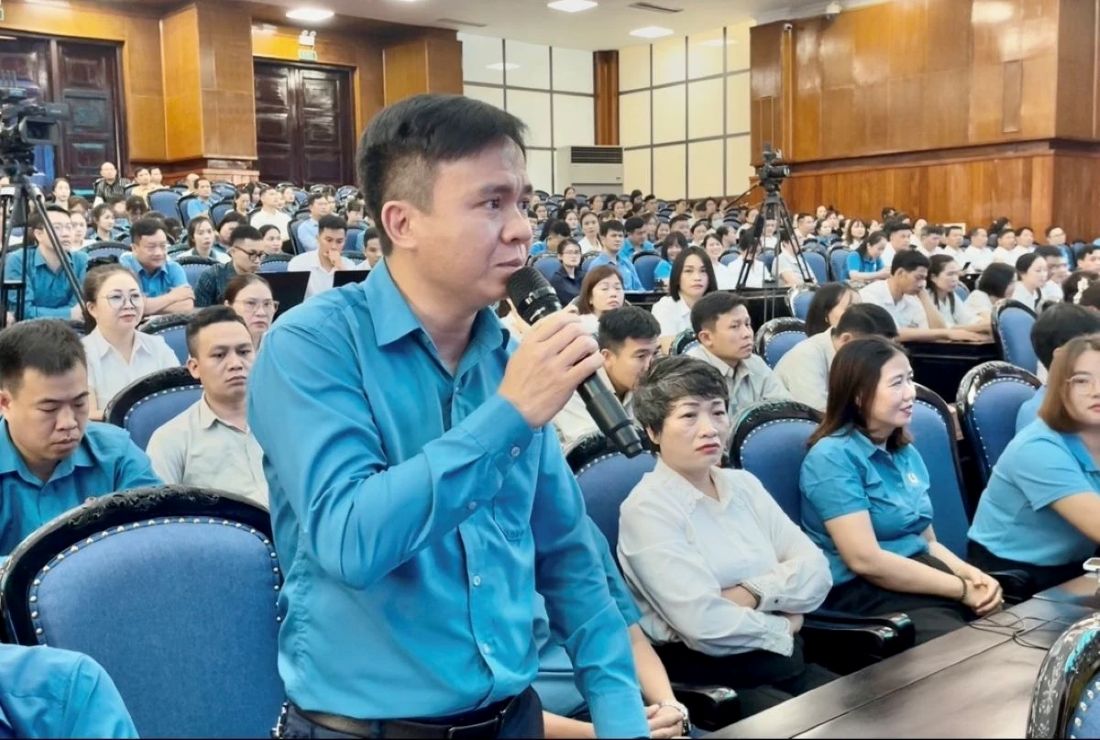
According to Mr. Mai Xuan Liem, in the past time, the Thanh Hoa Provincial Labor Federation and the grassroots trade union system have been very active, proactive, and effectively promoted the role of a channel connecting workers with all levels of government. Many reflections and recommendations of workers have been summarized and promptly conveyed by the trade union to business leaders, units, commune authorities and especially provincial leaders, thereby helping localities to grasp early arising issues to have timely handling directions. That is also an important factor helping Thanh Hoa in recent years have fewer hot spots of labor disputes and collective work stoppages.
Mr. Liem's assessment is a recognition of the very special role of trade unions in workers' lives today. Because in fact, for many years, when workers have encountered difficulties, when problems arising with salaries, regimes, insurance, working conditions or pressures in life, the first place they turn to is the grassroots trade union. Because trade unions are the organization closest to workers, understand workers best and are also the place to feel changes in labor relations earliest.

Thanh Hoa is currently entering a stage of strong industrial development, attracting many large projects, expanding industrial parks and rapidly increasing the labor force. At that scale, workers are not only the creators of production value but also a very important driving force for development, a decisive factor in the stability of the investment environment, competitiveness and growth rate of the locality.
Therefore, taking care of life, protecting rights, and promptly resolving workers' grievances is not only a social responsibility or social security policy, but also a story of companionship in development.
Provincial leaders want the locality to develop, so they cannot only assign targets and tasks, but must also truly accompany workers because that is the common path, the common goal and aspiration.
To want workers to contribute more, first of all, you must understand them more. And to understand, you must listen. Not listen in batches, listen for formality, listen and then leave it there, but listen as a regular activity, listen to consider and immediately handle specific issues as well as adjust macroeconomic issues to promote development.
To achieve that, the role of the trade union becomes even more special. The trade union has long been a very effective bridge, close to workers, then in new requirements it must be closer. Once close to workers, it must be closer. The trade union not only receives feedback when problems arise but also needs to accompany, share, and grasp even very small movements in the lives of workers, helping all levels of government grasp accurate and timely information to have solutions to stabilize the investment and production environment.
Therefore, Mr. Mai Xuan Liem's speech and wishes raised from this conference are a requirement but also an affirmation of the role of trade unions as a "strategic bridge" between workers and the government. And that is the requirement of development in the new era.


