
Specific roadmap, clear determination
According to Plan No. 541/KH-UBND just signed and promulgated by Vice Chairman of the Provincial People's Committee Nguyen Thanh Dieu, Dong Thap strives to complete more than 12,000 social housing units (NƠXH) by 2030. The roadmap is designed annually to ensure feasibility and control progress. Specifically, 2026: 2,000 units; 2027 and 2028: 2,500 units each year; 2029 and 2030: 2,600 units each year.
The allocation of targets by stage not only helps to be proactive in resources but also creates conditions for localities, investors and management agencies to coordinate more effectively in implementation. At the same time, the province also orients the development of affordable commercial housing projects in areas with convenient connecting infrastructure, targeting the middle-income group - a force with great demand but difficulty accessing suitable housing.
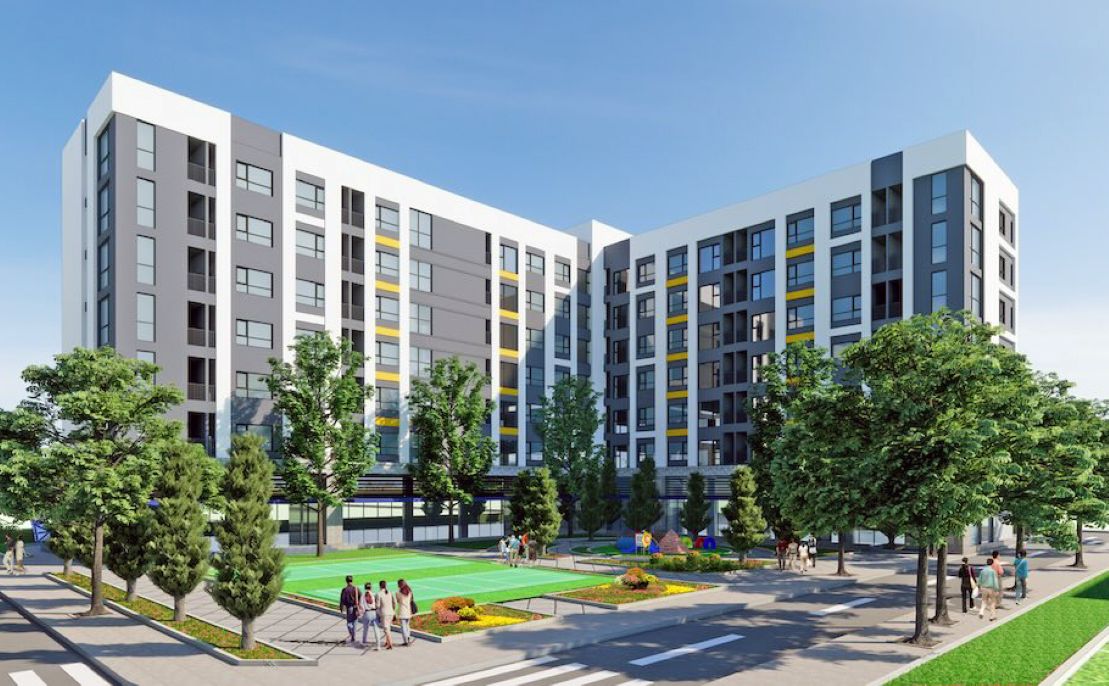
In the context of the increasingly urgent housing needs of low-income workers, the determination to build more than 12,000 apartments and a series of breakthrough solutions, the social housing development program for the period 2026 - 2030 is expected to aim at many important goals.
Many leverage commitments to attract investment
One of the notable highlights of this plan is the application of the "green channel" and "priority channel" mechanisms specifically for social housing projects. Accordingly, Dong Thap will promote administrative reform in a synchronous direction, allowing parallel implementation of procedures related to investment, land, planning and construction. The set goals are very specific: Cutting at least 50% of the time to process administrative procedures and reducing 50% of costs for businesses. This mechanism is expected to remove the biggest "bottleneck" of social housing projects for a long time, while creating a more open and transparent investment environment.
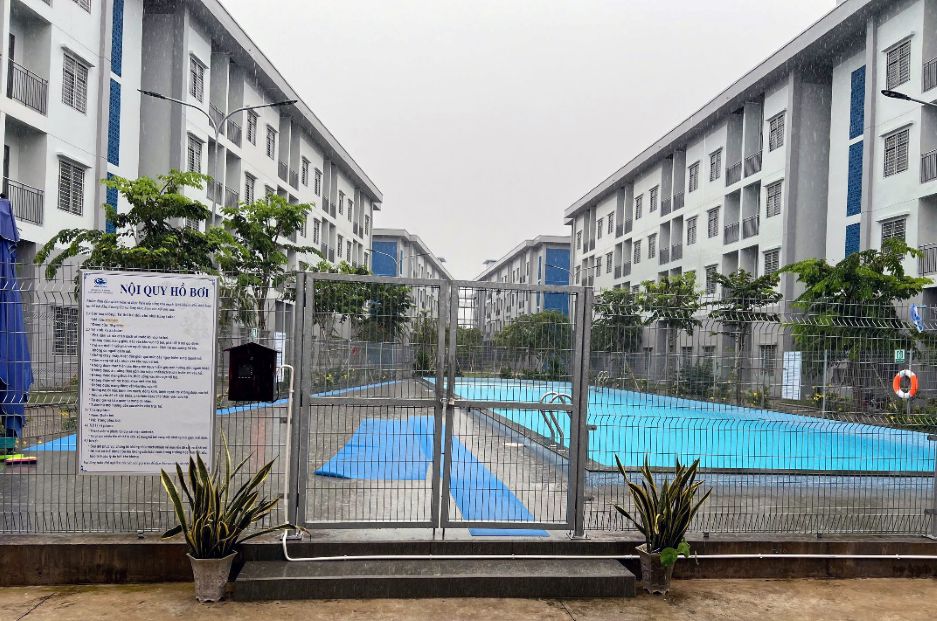
Dong Thap province identifies 4 groups of synchronous and continuous solutions. First, on management and planning: Social housing development targets will be integrated into the annual socio-economic development plan. The province also reviews and arranges appropriate land funds, prioritizing locations with synchronous technical and social infrastructure. Second, on policies: Localities study mechanisms to encourage investors with available clean land funds to participate in social housing development; and pilot specific policies according to Resolution 201/2025/QH15. Third, on resources: Local budgets will be balanced to serve compensation, site clearance and infrastructure investment outside the project fence. In addition, the province encourages the formation of investment funds and trust funds to diversify capital sources. Fourth, on investor responsibilities: For type II and III urban areas, commercial housing project investors are required to directly build social housing on the land fund regulated according to regulations, instead of paying money to replace it. At the same time, the Provincial People's Committee assigned responsible departments and agencies to closely coordinate in implementing and quickly handling arising procedures.
Provincial leaders also emphasized the personal responsibility factor: the head of the agency or unit will be responsible if delays occur, affecting the overall progress of the projects.
With a scale of more than 12,000 social housing units and a series of breakthrough solutions, the affordable commercial housing development program for the period 2026 - 2030 of Dong Thap province is expected to create a clear change in improving living conditions for workers, contributing to shaping the real estate market in a more sustainable and balanced direction on Dat Sen Hong.


