
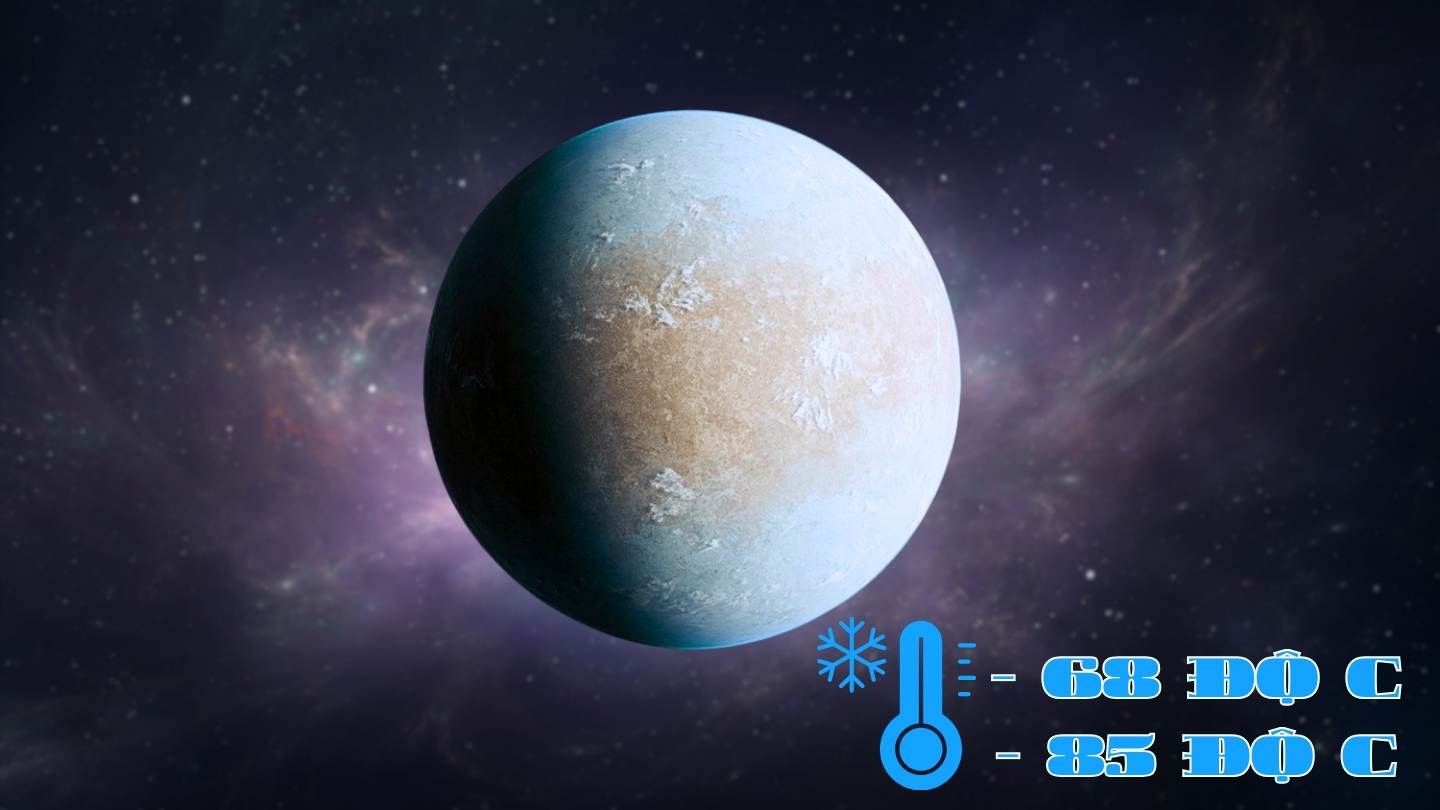
According to information published on Sciencealert on February 7, the newly discovered planet has many similarities to Earth and is assessed to have water potential.
The exoplanet is named HD-137010 b. HD-137010 b takes about 355 days to complete one orbit around its host star. This star plays a similar role to the Sun in the Solar System, providing light and heat to the planet. This orbital time is almost equivalent to one year on Earth.
HD-137010 b orbits a K-type dwarf star smaller than the Sun. It is estimated that this planet is about 51% likely to be in a habitable zone where temperature conditions allow liquid water to exist.
The discovery was made thanks to data from NASA's Kepler Space Telescope. Scientists identified the planet by monitoring the decreasing light of the star as the planet passed in front.
Initial data suggests that HD-137010 b receives much less energy than Earth. Estimated surface temperatures range from minus 68 to minus 85 degrees Celsius, making the planet possible to exist as a ice world. However, if there is a suitable atmosphere, the planet is still capable of maintaining liquid water.
Researchers believe that more observations are needed to confirm the existence and assess the habitability of this planet.


