
According to The Information, in the past two months, OpenAI has merged many technical groups, products and research to comprehensively restructure audio models, in preparation for a personal device prioritizing voice communication, expected to be launched in about a year.
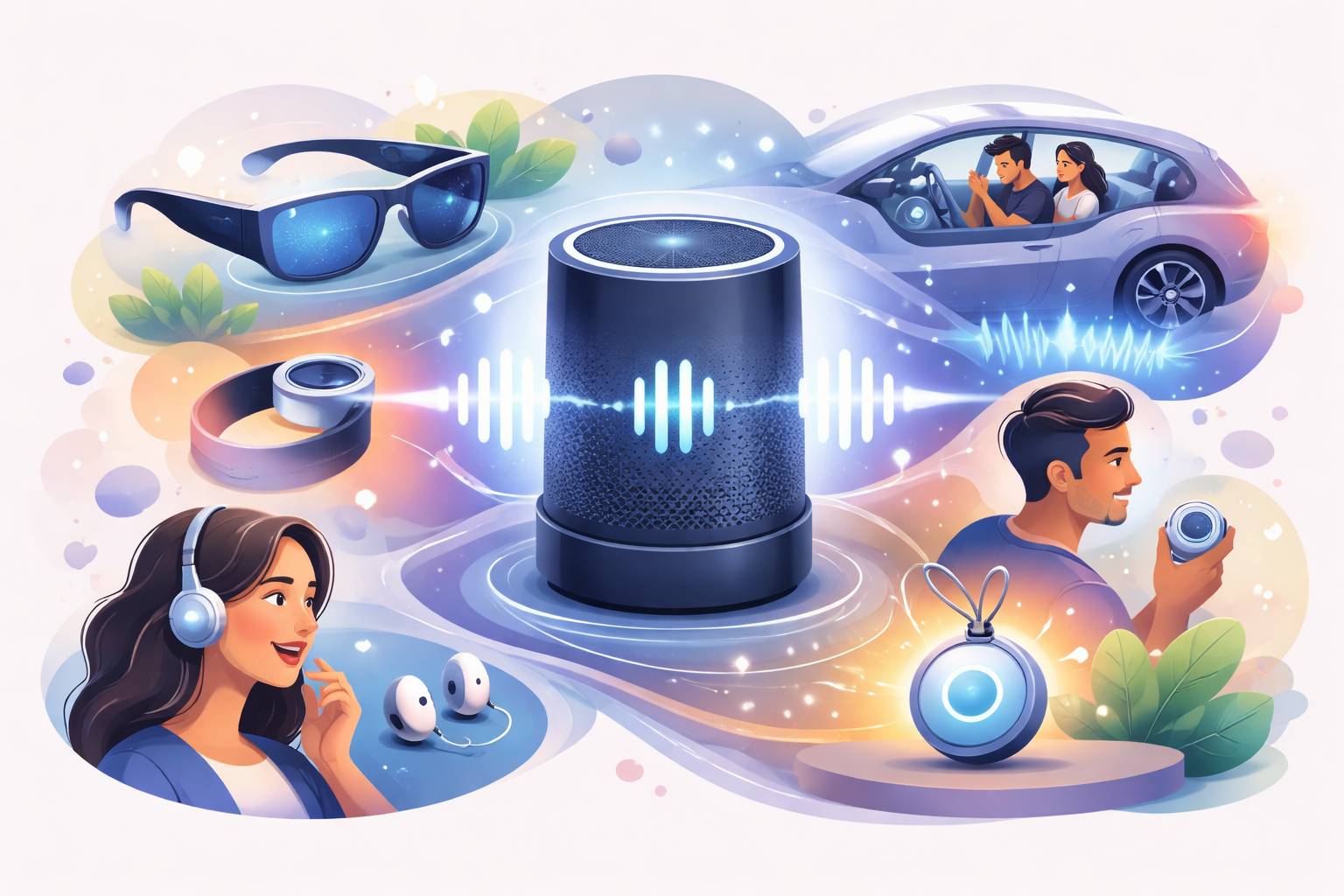
This move reflects the general trend of the technology industry, where sound is gradually becoming the central interface, replacing the dominant role of the screen. Voice assistants have appeared in more than one-third of households in the US through smart speakers. Many large technology corporations are also following this trend.
Meta recently added directional listening feature to the Ray-Ban smart glasses, using a multi-micro system to help users hear more clearly in noisy environments. Google is testing the feature of converting search results into audio-conference summaries. Meanwhile, Tesla integrates xAI's Grok chatbot into electric vehicles, allowing users to control many functions with natural voice.
Not only technology "giants", many startups are also pursuing the ambition to build non-screen AI devices. However, this path is not easy. Some products that have attracted attention such as Humane AI Pin or Friend AI necklace have faced failures or controversies related to privacy, showing the great risk of bringing sound AI into personal life.
However, this trend continues to be promoted. Some startups, including Sandbar and the company founded by Eric Migicovsky, are developing AI rings that allow users to chat directly through wearable devices, expected to be launched in 2026.
According to The Information, OpenAI's new sound model, expected to be launched in early 2026, will have a more natural voice, handle interruptions flexibly and can even "speak in parallel" with the user, creating a feeling like a real conversation. OpenAI is also said to be imagining a new device ecosystem, which may include glasses or smart speakers without screens, operating as a companion rather than a tool.
This strategy is associated with the sound-prioritized design orientation of Jony Ive - former Apple Design Director, who joined the hardware division of OpenAI after the 6.5 billion USD acquisition of the company io. He is said to want to reduce dependence on screens and see the audio interface as an opportunity to reshape how people interact with consumer technology in the future.
In that context, sound AI is no longer a supporting feature, but is being seen as the foundation for the next generation of personal devices, where voice becomes the new "control surface" of humans.


