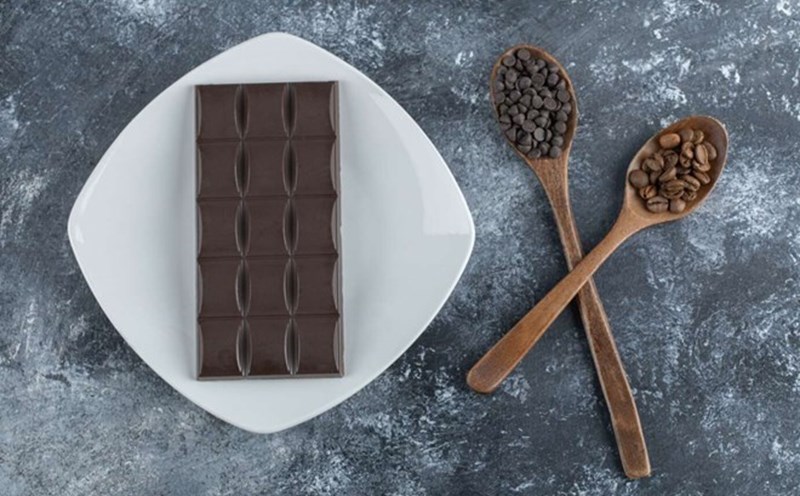
Dark chocolate has long been considered a "healthy" snack if used properly. Choosing a suitable type of chocolate not only helps satisfy sweet cravings but also contributes to protecting long-term health.
According to nutrition experts, dark chocolate is rich in flavonoids, antioxidants and anti-inflammatory compounds, which can help improve blood pressure, protect cognitive function and reduce the risk of some chronic diseases.
However, not every black chocolate bar on the market brings the expected benefits. Below are four important tips to help consumers choose high-quality black chocolate.
Check the amount of added sugar on the product label
Although dark chocolate usually contains less sugar than milk chocolate, many products still have higher than imagined added sugar content. Therefore, reading the nutrition label carefully is an indispensable step.
Ms. Dolores Woods - a certified nutritionist, currently a nutrition supervisor at the University of Texas Center for Health Sciences in Houston (UTHealth Houston, USA) - said: If chocolate contains sugar, consumers should choose a type where sugar appears near the bottom of the ingredient list, usually the third or fourth position. According to her, each serving of dark chocolate should only contain about 5 - 8 grams of sugar to avoid losing the benefits of natural antioxidants from cocoa.
Limit plant oils and fats from milk
Natural dark chocolate contains saturated fat from cocoa butter. However, high-quality chocolate usually does not require adding vegetable oil or dairy fat. These ingredients are often used to reduce production costs but reduce nutritional value.
Julie Stefanski - a certified nutritionist in Baltimore, USA, and spokesperson for the American Academy of Nutrition and Diet - said: The fewer ingredients the product has, the higher the cacao ratio. Although the price may be higher, chocolate with fewer additives often brings better health benefits. Some types of chocolate add caramel, sea salt or nuts to enhance the flavor, but this also means increased calories and fat.
Prioritize chocolate with a cocoa content of 70% or more
Cocoa content is the core factor when choosing dark chocolate. Types with cocoa ratios from 70% to 85% are considered a reasonable balance between flavor and health benefits. Chocolate with cocoa content from 85% to 100% contains very little sugar and many antioxidants, but a strong bitter taste may not be suitable for everyone.
If you are not used to the bitter taste of chocolate, Ms. Dolores Woods suggests that you can use 100% pure cocoa powder to mix with oats, yogurt or smoothies, still retaining the chocolate flavor without adding sugar or fat.
Organic chocolate is not always better
Many families prioritize organic chocolate with the desire to choose healthier ones. However, according to Stefanski, organic labels mainly reflect farming methods, not ensuring higher antioxidant content than regular chocolate. Recent surveys also show that both organic and non-organic chocolates can contain heavy metal traces.
Finally, experts all emphasize that chocolate, even if it is high-quality dark chocolate, should only be enjoyed at a moderate level. One ounce of 72% dark chocolate can contain about 180 calories and 14 grams of fat. Chocolate is a food that brings joy, and choosing the type you like, as long as you control your portions, will help the whole family enjoy the sweetness without putting pressure on their health.