
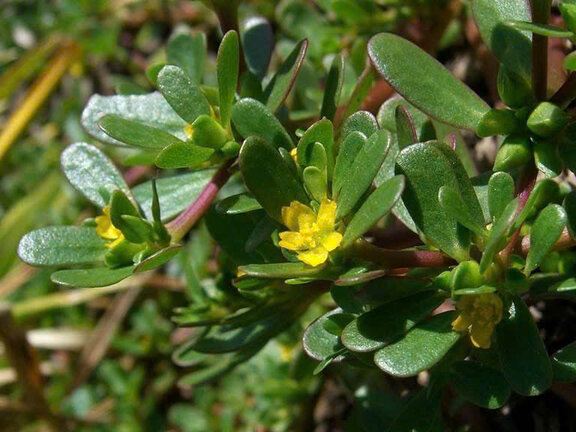
Purslane (scientific name Portulaca oleracea) is a familiar plant in rural areas, often growing reptile on the ground in humid soil, often mistaken for weeds and little noticed.
According to scientific reports in the US National Library of Medicine (NCBI), extracts from purslane contain Omega-3 fatty acids (in ALA form) and pectin fiber.
These are natural compounds that have the ability to interfere with the lipid metabolism in the body through 2 mechanisms of action.
When cooked, purslane secretes the main mucus layer, which is soluble fiber pectin. Entering the intestines, this fiber layer forms a gel form, linked to cholesterol molecules and bile from food, preventing it from reversing into the blood and supporting expulsion through the excretory system.
Besides, purslane is also one of the few land plants that provides Omega-3 fatty acids. Along with antioxidants such as vitamins C, E and beta-carotene, this compound supports the liver to reduce the synthesis of neutral fats (triglycerides) and limit the metabolism of bad cholesterol (LDL).
This process will help maintain the ventilation of the lumen, preventing the formation of atherosclerosis plaque, one of the risk factors for heart attack and stroke.
In addition to controlling blood fat, purslane also brings many other pharmacological benefits. Studies show that purslane extract has the ability to inhibit some types of intestinal disease-causing bacteria, often applied in folk medicine to support the treatment of dysentery and diarrhea.
Thanks to its anti-inflammatory properties, purslane juice can be applied to the skin to soothe itchy rashes or insect bites. This vegetable also supplements calcium, magnesium and iron, which help maintain the skeletal system and support red blood cell production.
For effective use, 100 - 200g of fresh vegetables that have been soaked and washed can be used to prepare boiled, steamed or soup dishes. The consumption of water spinach should be maintained at a frequency of 1-2 meals per week.
Users should limit stir-frying purslane deep in animal fat to avoid reducing the effect of lowering blood fat and pumping more cholesterol into the body.
Although it brings many benefits, users should not eat too much purslane to avoid stomach chills and hinder calcium absorption due to its cold properties and high oxalic acid content.
Pregnant women and people with digestive diseases and kidney stones need to consult a doctor before use. This is only a supportive food, people with high blood fat need to follow a medical treatment regimen.


