
To celebrate the 25th anniversary of Vietnamese Family Day (June 28, 2001 - June 28, 2026), on June 24, the Ministry of Culture, Sports and Tourism in coordination with the Vietnam Academy of Social Sciences organized a scientific conference with the theme "Changing trends of Vietnamese families through periods - Current situation and solutions".
The conference attracted the participation of many scientists, experts and managers to identify the changes of Vietnamese families in the new context, and at the same time propose solutions to build a prosperous, progressive, happy, and civilized Vietnamese family.
Vietnamese families are changing profoundly
Speaking at the opening of the conference, Deputy Minister of Culture, Sports and Tourism Trinh Thi Thuy affirmed that family always holds a particularly important position in the development of the nation. This is not only a place to nurture people, preserve cultural values but also an environment for the formation of personality, lifestyle and aspirations for development of each individual.
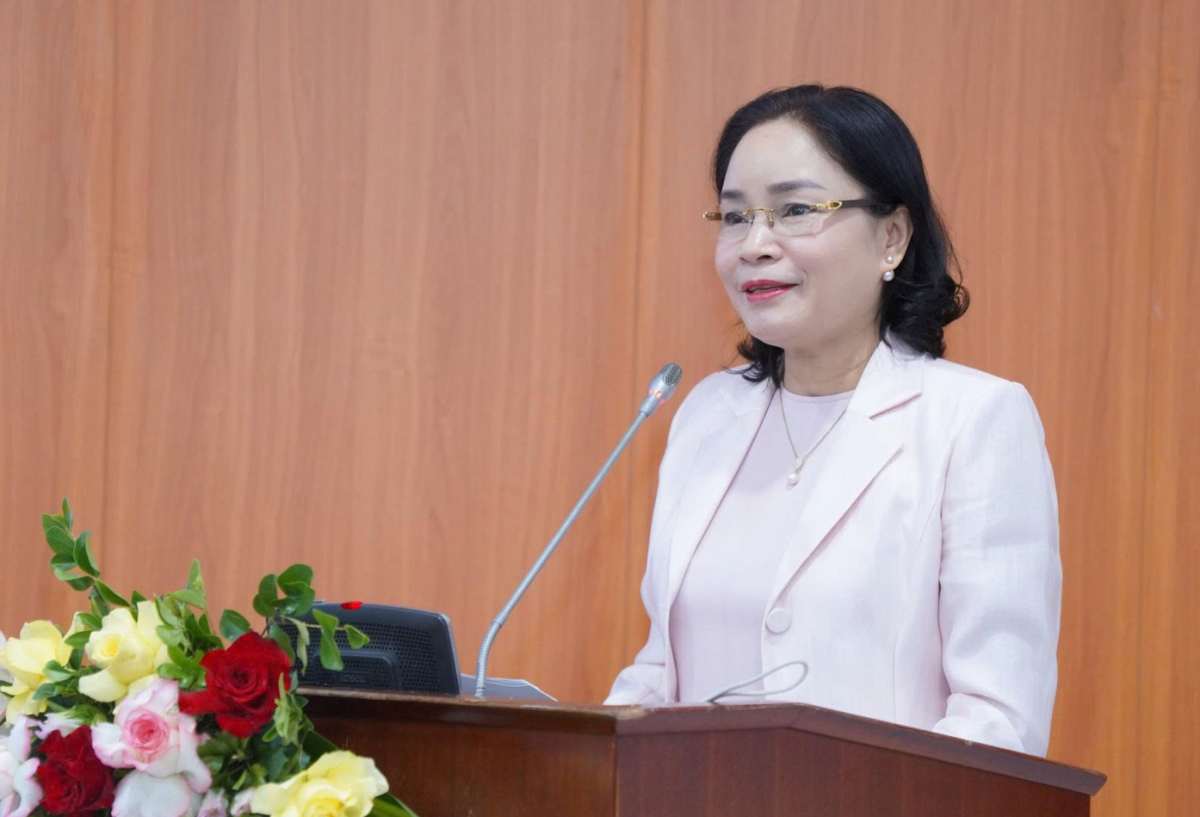
However, according to the Deputy Minister, in the context of the country accelerating industrialization, modernization, digital transformation and deep international integration, Vietnamese families are facing breakthrough changes.
Changes in population structure, residential models, working methods, living conditions, media environment and social value systems are increasingly deeply impacting family life," Ms. Trinh Thi Thuy emphasized.
According to presentations at the conference, Vietnamese families are becoming more diverse in scale and form. The nuclear family model has become more popular, while the roles and positions of members have also changed towards promoting gender equality, individual rights and shared responsibility.
Experts believe that these changes reflect the inevitable development trend of modern society. However, the transformation process also directly affects the implementation of core functions of the family such as education, care, protection, generational connection and preservation of national cultural identity.
Deputy Minister Trinh Thi Thuy said that Vietnamese families are also facing many emerging issues such as population aging, low birth rates in many localities, pressure to balance work and family, increased divorces and increasing generational gaps.
In particular, the decline in direct interaction between members and the multi-dimensional impacts of the digital environment are significantly affecting family relationships and the process of personality formation of children.
Improving policies from correctly identifying trends
From the perspective of state management, Deputy Minister Trinh Thi Thuy believes that the issue currently being raised is not only to respond to the ongoing changes, but more importantly to correctly identify the development trend of Vietnamese families in the future.
According to her, it is necessary to clarify questions such as which direction Vietnamese families will change, which values need to be continued to be preserved and promoted, or which policies need to be adjusted so that families continue to be an environment to nurture people to develop comprehensively.
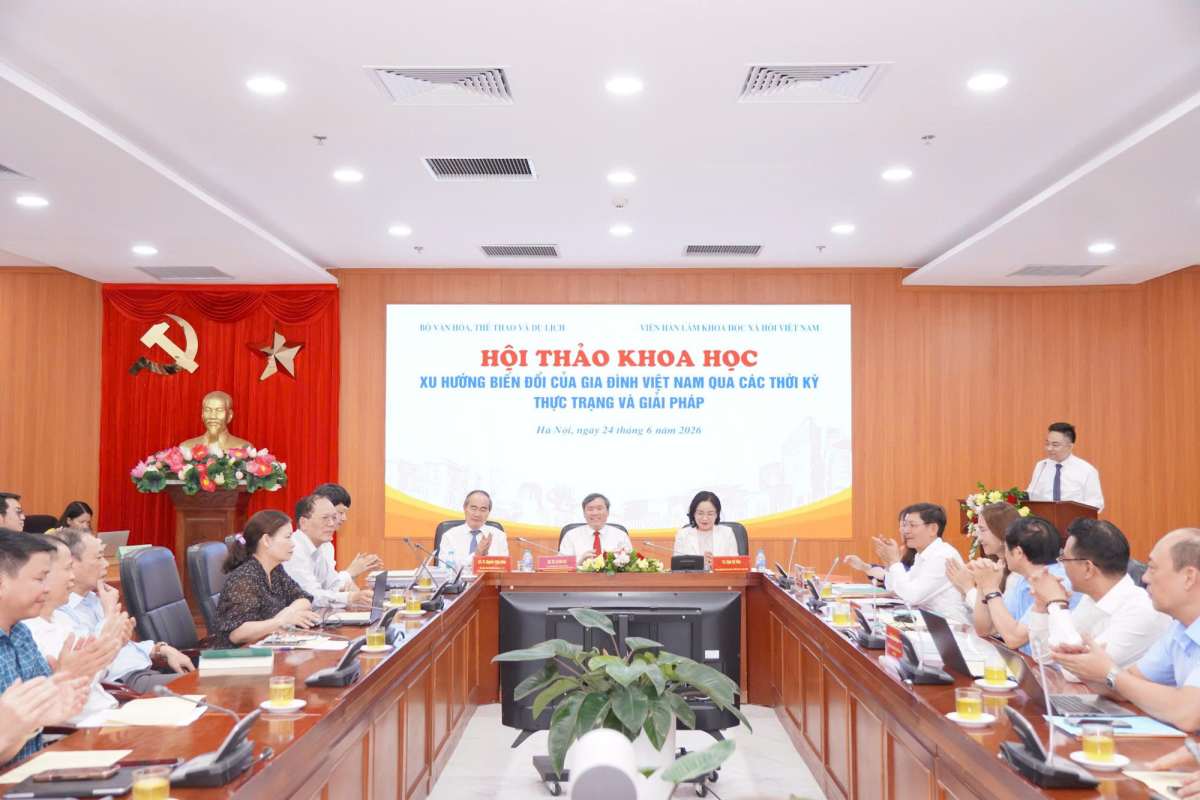
Concluding the workshop, Dr. Nguyen Dinh Tuan - Director of the Institute for Human, Family and Gender Studies - said that the presentations contributed to comprehensively identifying the trend of changes in Vietnamese families, from scale, structure, functions to family value systems and standards under the impact of industrialization, urbanization, digital transformation and international integration.
According to Mr. Nguyen Dinh Tuan, the discussion results show that Vietnamese families are receiving many new values related to gender equality, personal rights, autonomy and sharing of responsibility in the family. In parallel with that are new challenges from population aging, reduced birth rates, labor migration and digital technology.
Many opinions at the workshop proposed to continue to improve the policy framework for family development in a life cycle approach, rights approach and sustainable development; and at the same time promote research and forecast trends of changes in Vietnamese families and build a family database to serve management and policy planning.
Although society is constantly moving and changing, the family still always plays a fundamental role in society, being the place to form, nurture and develop people. A sustainable society must be built on the foundation of sustainable families," Dr. Nguyen Dinh Tuan emphasized.


