
The current situation of a large shortage
After Lao Dong Newspaper's reflection on the shortage of about 3,300 positions in the education sector, this issue continues to attract the attention of parents, educational institutions and authorities at all levels. According to Head of the Culture - Social Committee of the Provincial People's Council Nguyen Thi Mai, in the period of 2021 - 2025, Quang Tri province (including Quang Binh before the reorganization) will deploy tasks in the context of being affected by the COVID-19 pandemic and the process of streamlining the government apparatus at all levels.
Despite facing great pressure, the cultural and social sector still achieved many positive results; the quality of mass education was basically stable. However, Ms. Mai said that building a national standard school is still facing difficulties due to lack of resources for investment in facilities. It is expected that by the end of 2025, the proportion of standard schools will reach 66.9%, continuing to be far from the target of 80% by 2030.
One of the biggest bottlenecks at present is the education payroll. The whole province still lacks about 3,300 positions compared to the quota of the Ministry of Education and Training. Many schools lack teachers for Foreign Languages, IT and new subjects such as Music, Fine Arts, Experiential Activities, Career Guidance and Local Education. Some schools have not yet arranged psychological counselors and supports for students with disabilities.
Although the education sector is supplemented every year, the locality does not recruit enough, in order to reserve the streamlining of the payroll according to the general plan. Up to now, 448 targets for 2025 have not been recruited.
Solutions for the coming time
Director of the Department of Education and Training of Quang Tri Le Thi Huong confirmed that the shortage of teachers occurs at all 4 levels of education. As of January 1, 2026, the province was assigned a total payroll of 28,950 but in reality, there was still a shortage of 448 targets compared to the assigned number and a shortage of more than 3,300 compared to the standard prescribed by the Ministry.
In specialized subjects, IT is short of 118 teachers, English is short of 158 teachers, Music and Fine Arts are short of a total of 57 teachers. Many schools have to reduce the number of English lessons from 4 to 2 lessons/week because there are not enough teachers.
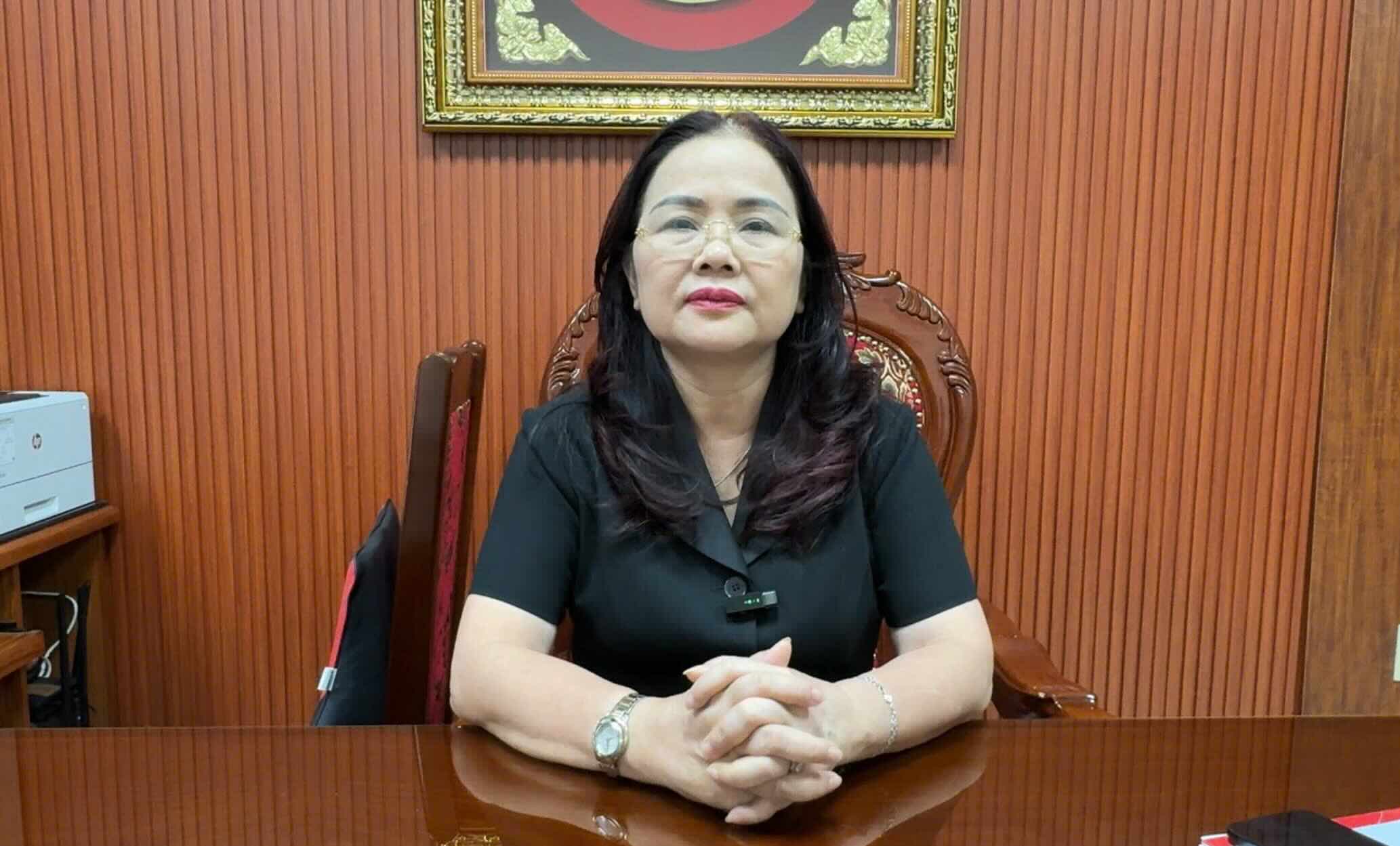
Ms. Huong said that the current assigned staff ratio is about 10.52% lower than the general quota; teachers alone are short of 2,159 people. Meanwhile, the staff streamlining plan for the 2026 period requires the education sector to reduce 999 more staff, accounting for nearly 93% of the total number of staff streamlining in the province.
To respond immediately, the Department of Education and Training and the Department of Home Affairs are required to review and regulate teachers in each unit, and arrange appropriate tasks to temporarily overcome the shortage.
Some solutions are being applied such as classroom combinations and increasing the number of students (high school maximum 45 students/class; primary school 35 students/class). Organize inter-school teaching and teaching at many schools for teachers of subjects in need.
Labor contracts according to Decree 111/2022/ND-CP, seasonal contracts or contracts within the payroll. Promote socialization in some key subjects, especially English, to reduce personnel pressure.
In the long term, Ms. Huong believes that the province needs to soon agree on the recruitment policy of 448 unrecruited staff quotas; review the policy of streamlining the staff for the education sector; and at the same time, propose to increase staff according to actual needs to ensure teaching and learning activities.
Ms. Huong also emphasized that to achieve the goal of completing universal preschool education for children aged 3-5 and universal secondary school by 2030, adding teachers is a prerequisite.


