
On August 24, Mr. Nguyen Van Quang - Vice Chairman of Dam Rong 4 Commune People's Committee (Lam Dong) - said that the locality proposed that functional agencies study solutions to prevent landslides and fundamentally handle high-risk locations to ensure long-term safety.
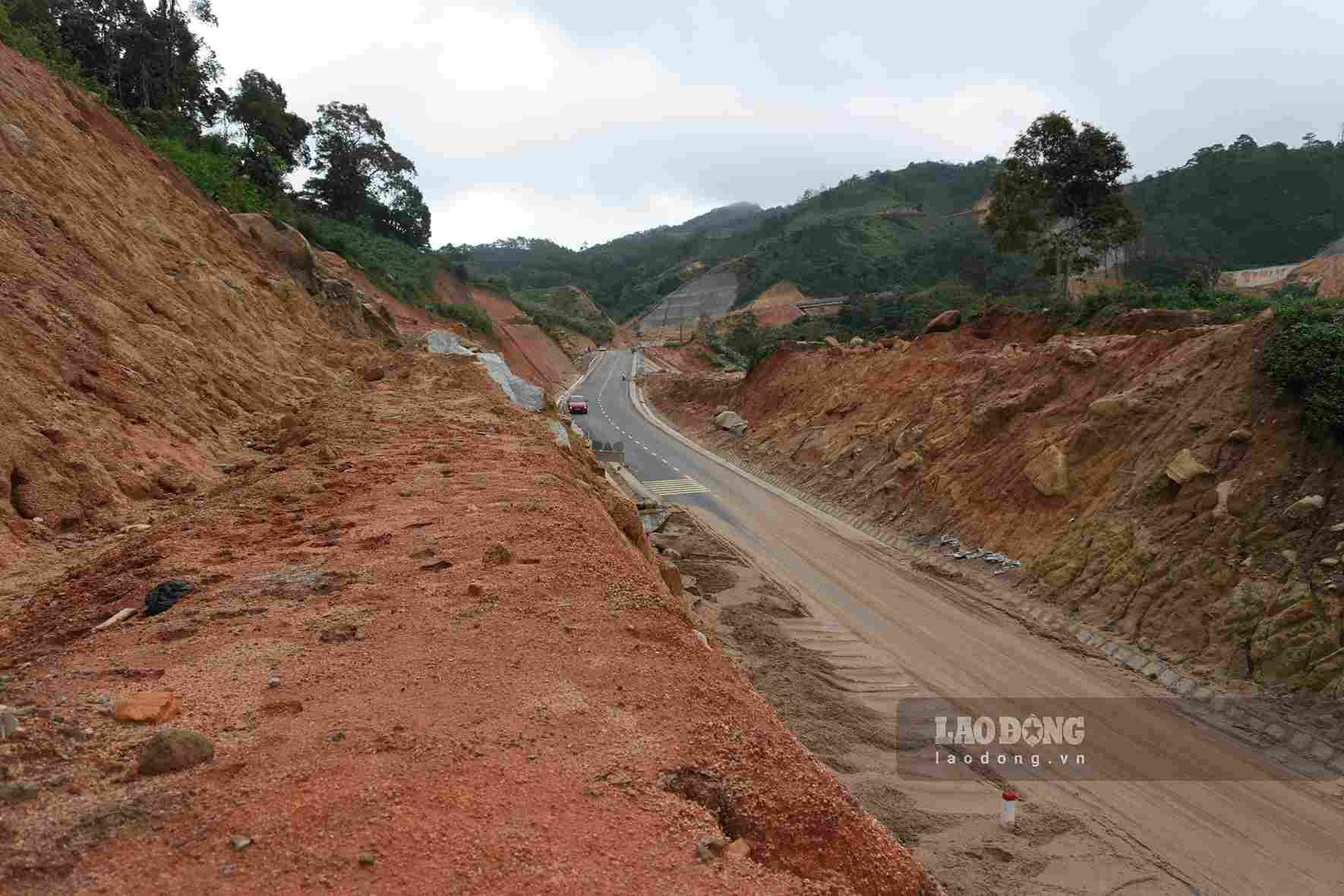
Provincial road 722, about 19km long, newly put into use, has seen many landslide points with different levels.
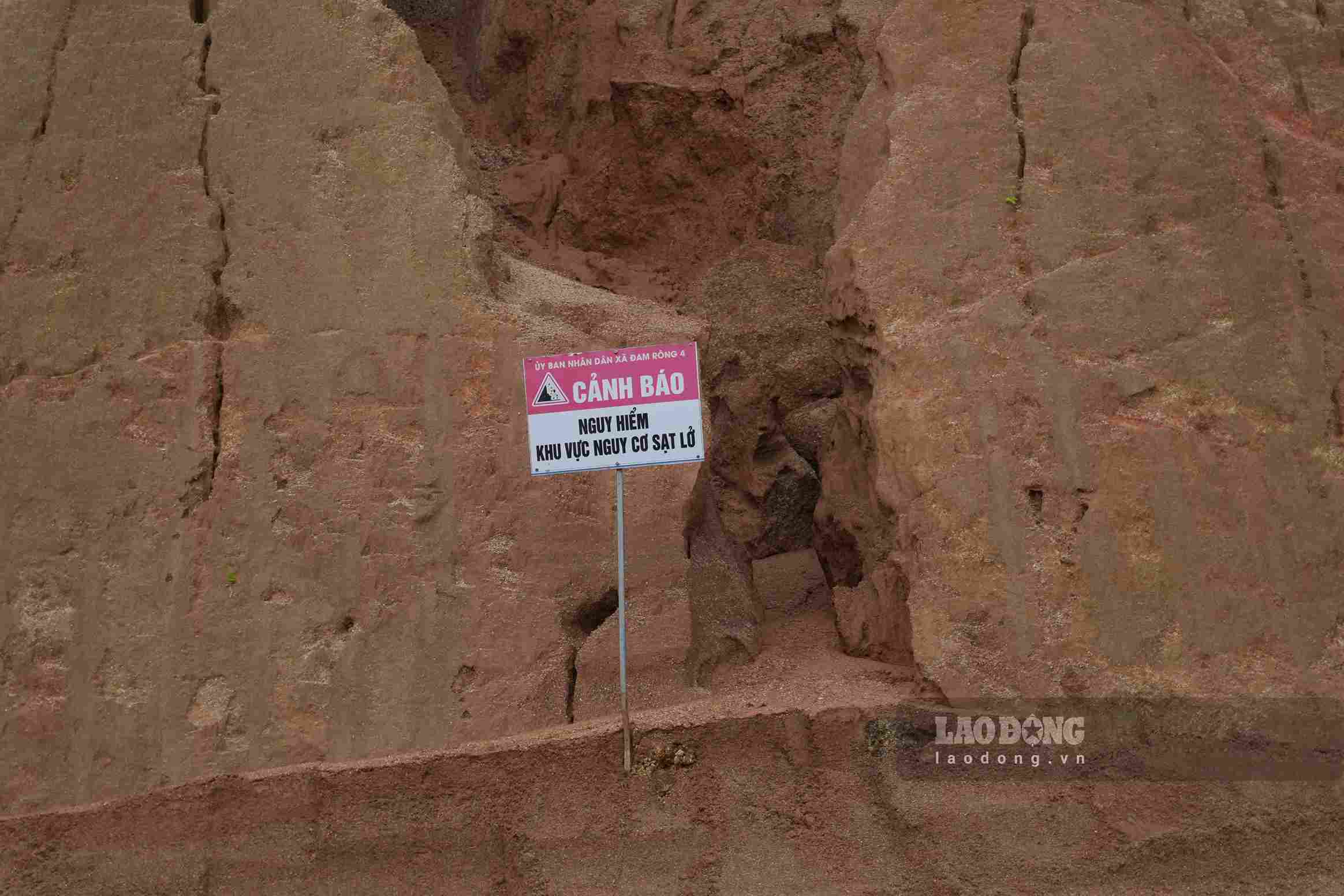
Some slopes nearly 20m high were eroded by rainwater, forming a "frog's mouth"; many other sections were eroded by water, causing soil and rocks to spill onto the road surface.
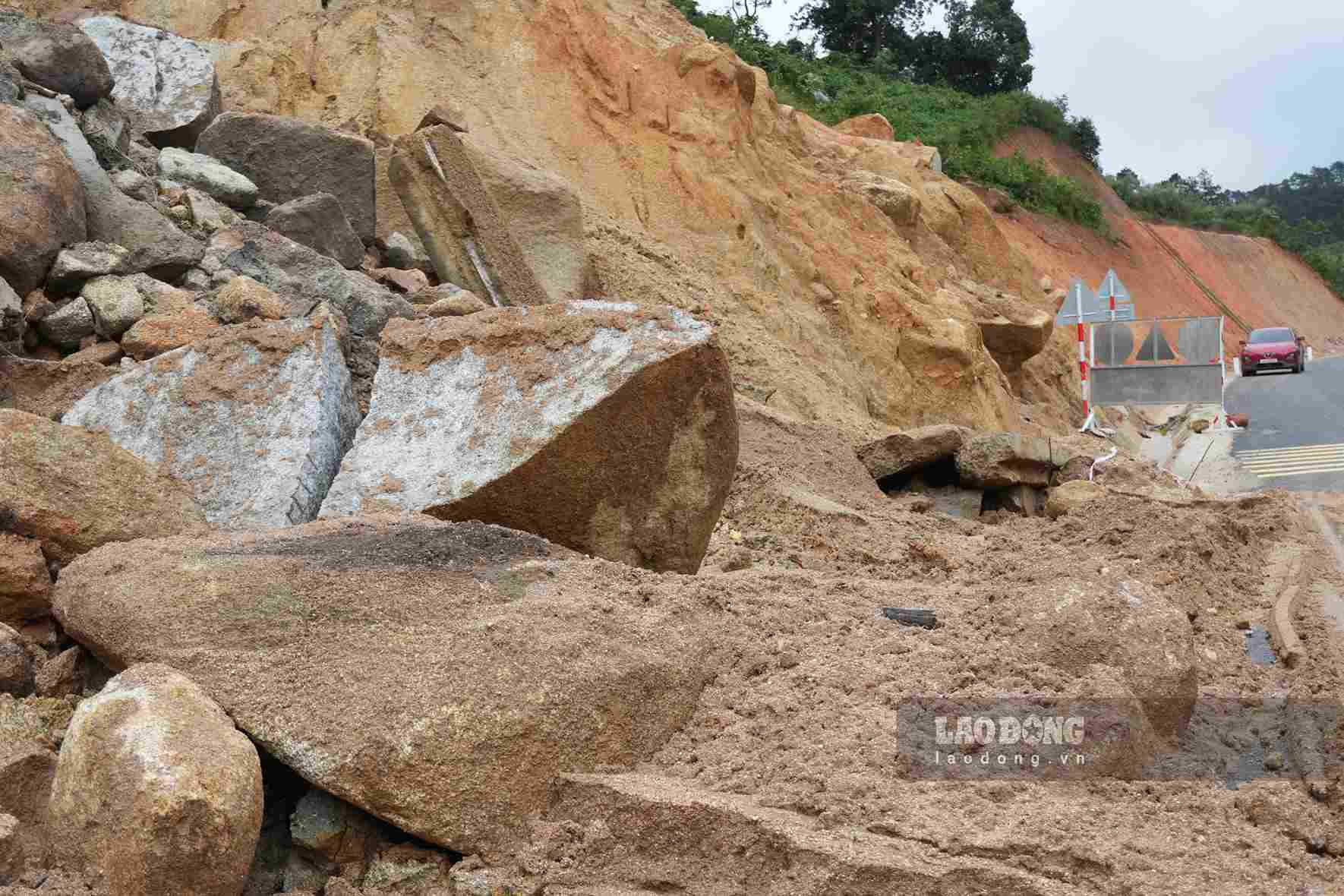
Real-world surveys show that taluy slopes in some areas are mainly sandy soil, so they are easily affected by rainwater.
In unfavorable weather days, the risk of landslides continues to increase, affecting people's travel.
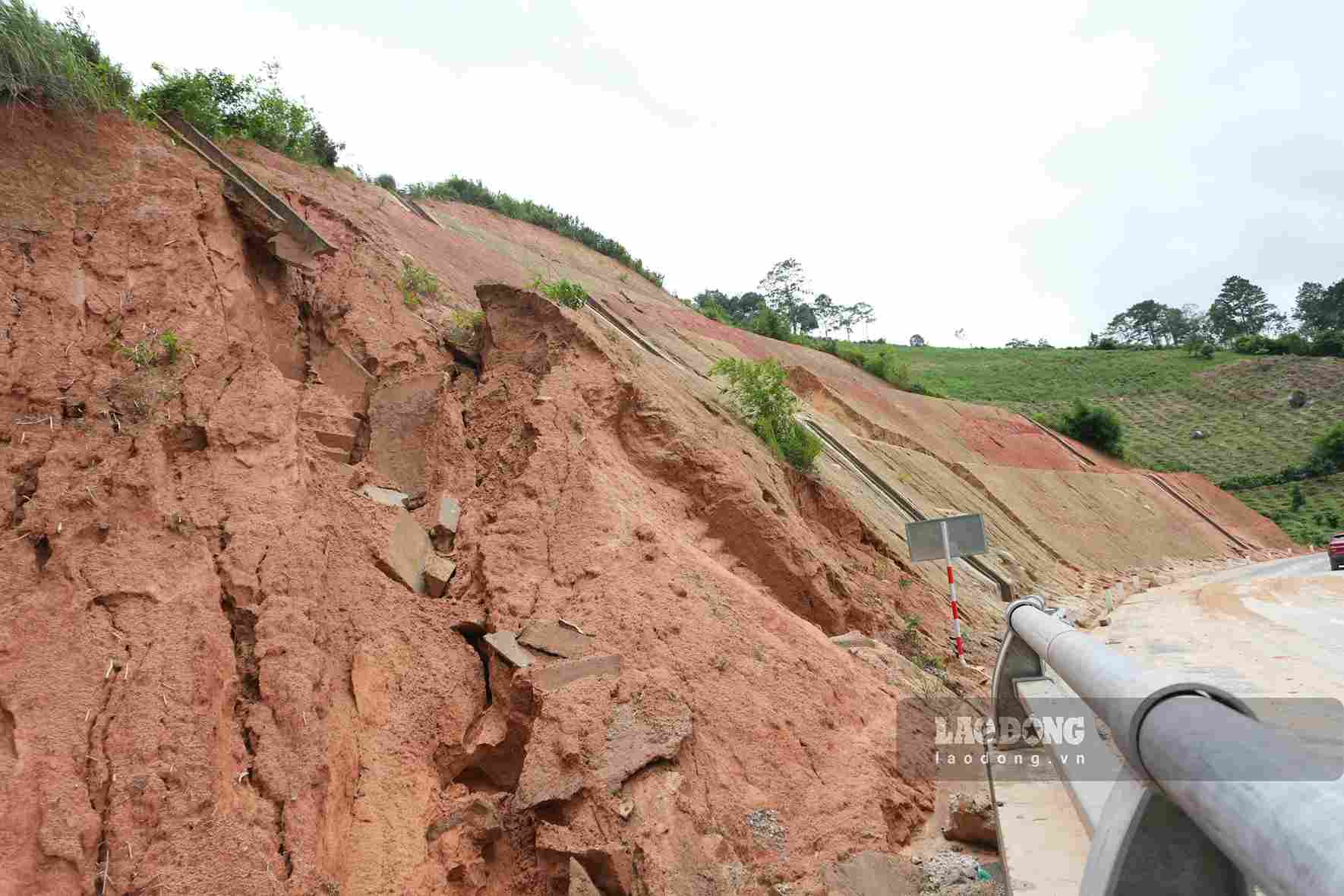
Mr. Chil Huy, a resident of Dam Rong 4 commune, said that the situation of soil and rocks sliding down the road makes people extremely worried, especially when traveling through sections with high taluys during heavy rain.
According to Mr. Nguyen Van Quang - Vice Chairman of Dam Rong 4 Commune People's Committee, in the immediate future, to ensure safety, functional agencies have placed warning signs at locations at risk of landslides.
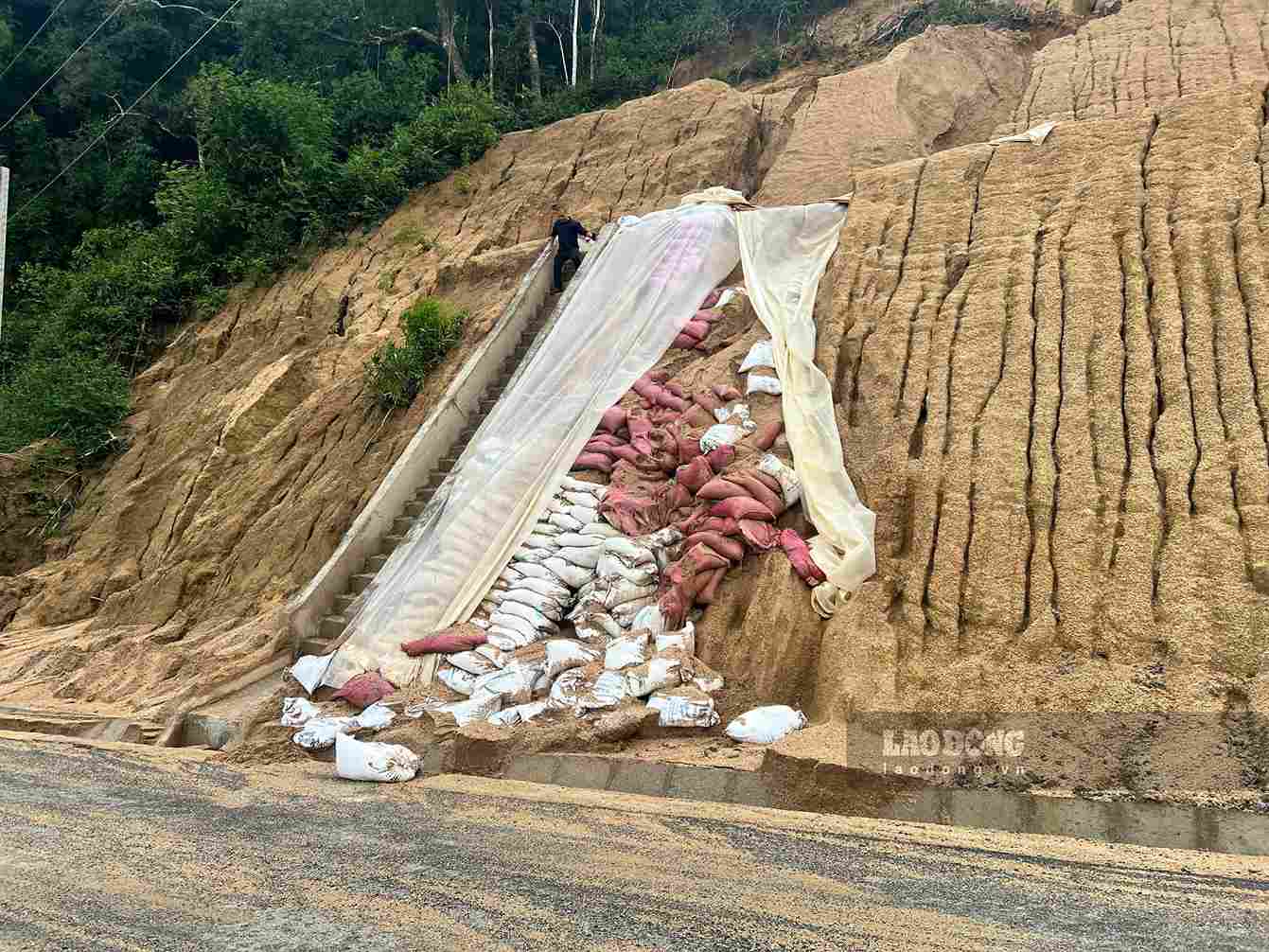
Dam Rong 4 commune authorities also coordinate with relevant units to regularly inspect and handle soil and rocks spilling onto the road surface, maintaining traffic flow.
The Provincial Road 722 traffic project through Dam Rong 4 commune has a total investment of about 600 billion VND, and will be opened to traffic at the end of June.
The route is one of the important traffic axes connecting Da Lat (Lam Dong) with Buon Ma Thuot (Dak Lak).
Previously, as Lao Dong Newspaper reported: On August 17, due to the impact of heavy rain in the past 2 days, a section of the taluy on DT 722 route, passing through Dam Rong 3 commune, Lam Dong province, was landslide, soil and rocks spilled onto the road surface, affecting traffic flow.
Immediately after detecting the incident, the route management unit inspected the scene, mobilized manpower and mechanical vehicles to collect soil and rocks, clear the road surface, and ensure traffic.


