50 years of rise of the Saigon riverside economy

NGỌC LÊ |

Not only is it a historical river, the Saigon River is becoming a "golden axis" of economic development for Ho Chi Minh City.

From historical port to modern riverside urban axis

In 50 years since Saigon - Gia Dinh city was officially honored to be named after President Ho Chi Minh, the urban appearance along the Saigon River has changed dramatically.
a
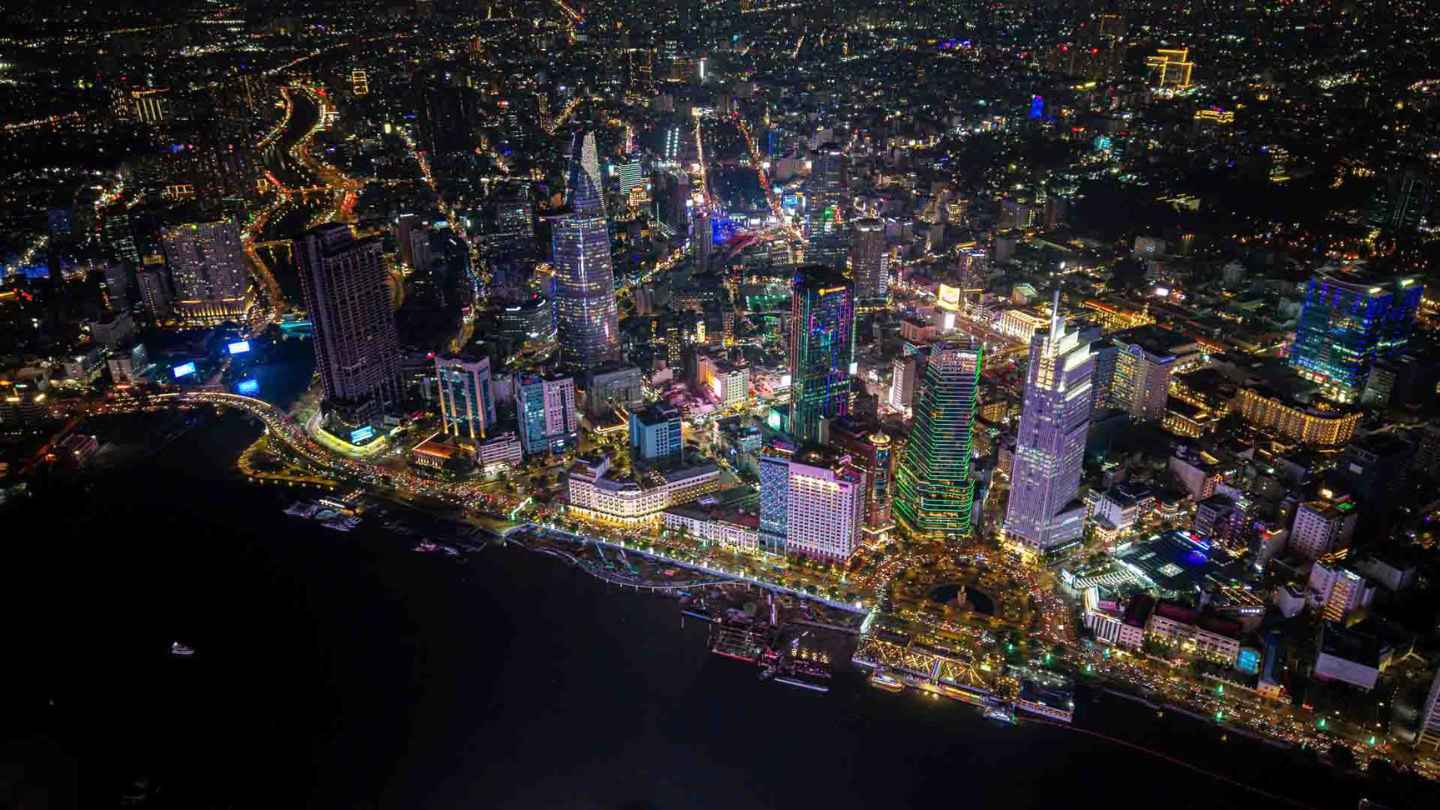
After 50 years of development, the two banks of the Saigon River have transformed from seaport and warehouse areas into modern urban spaces, converging transportation, commercial, financial and service projects, creating new growth momentum for Ho Chi Minh City's economy. Photo: Thai Bao
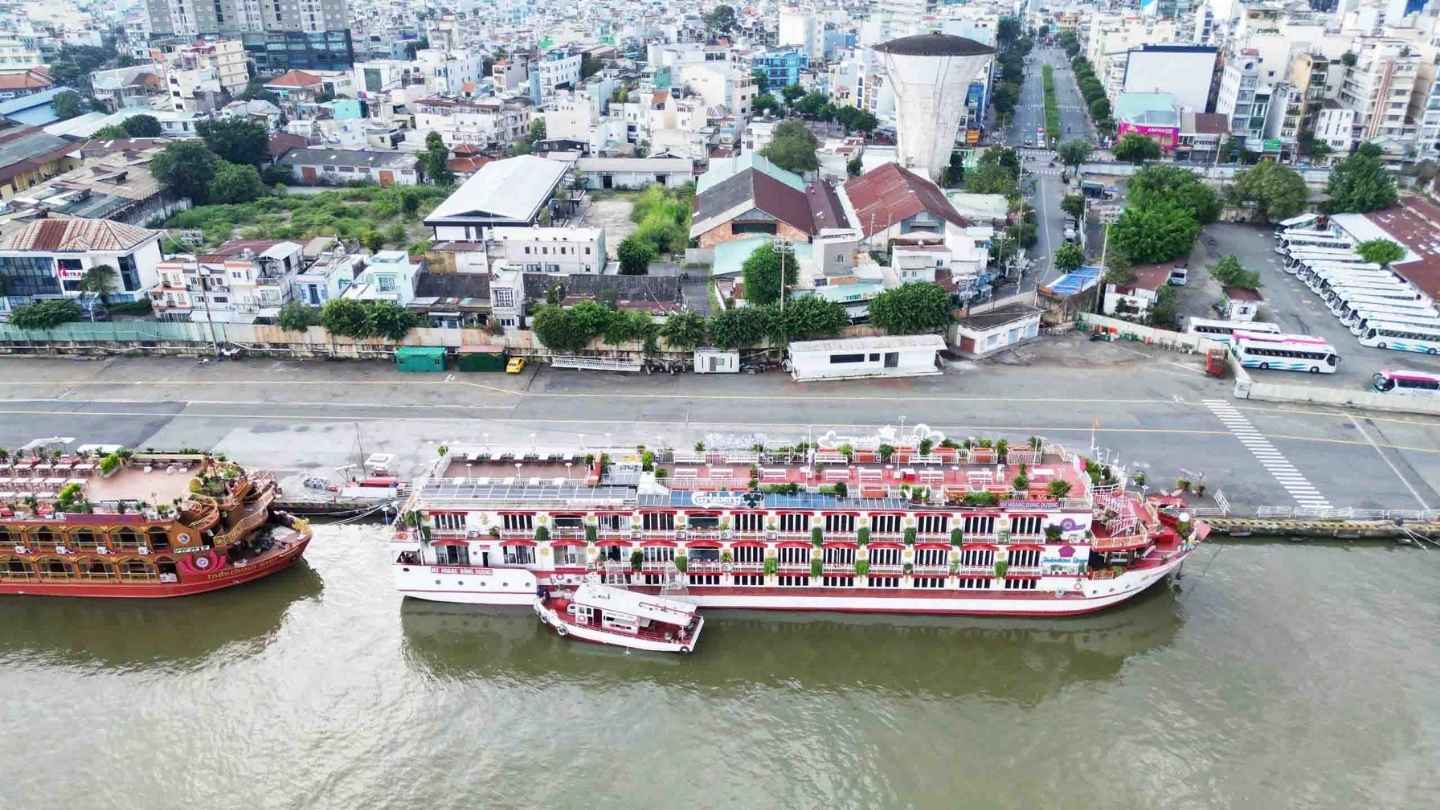
Tuyến buýt sông và các hoạt động du lịch đường thủy ngày càng phát triển, khai thác hiệu quả tiềm năng của sông Sài Gòn trong phát triển kinh tế và du lịch. Ảnh: Lê Bảo
River bus routes and waterway tourism activities are increasingly developing, effectively exploiting the potential of the Saigon River in economic and tourism development. Photo: Thai Bao

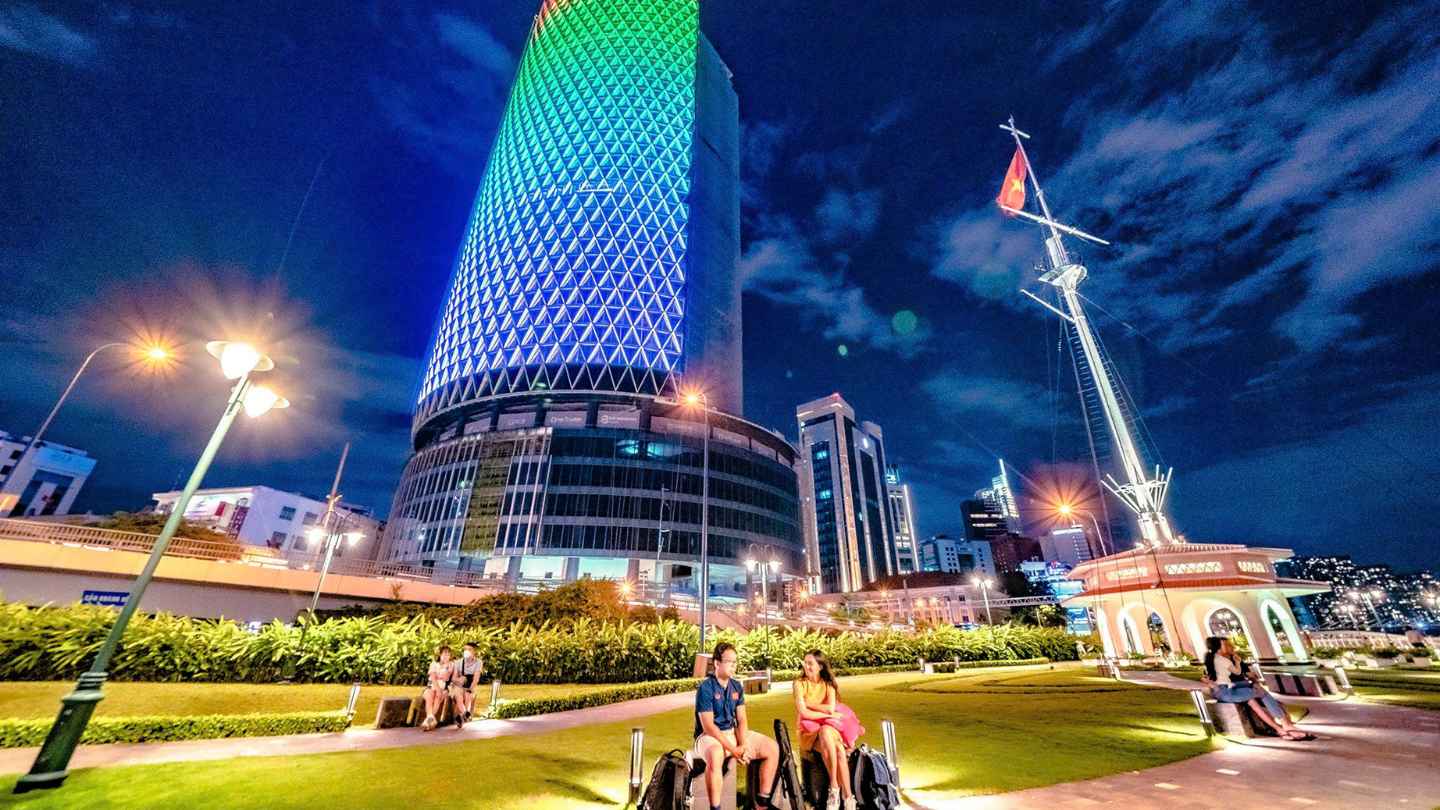
Along the West bank of the Saigon River, Ben Bach Dang Park and Ton Duc Thang Park after the renovation and embellishment phase completed in 2022-2023 have created an expanded space of more than 20 hectares, continuously connected with Nguyen Hue pedestrian street, wharf and Ba Son area. Not only becoming a landscape highlight, this place is also a venue for many large-scale cultural events and festivals of the city.
a
Along the Saigon River, there are parks serving people and tourists. Photo: Thai Bao

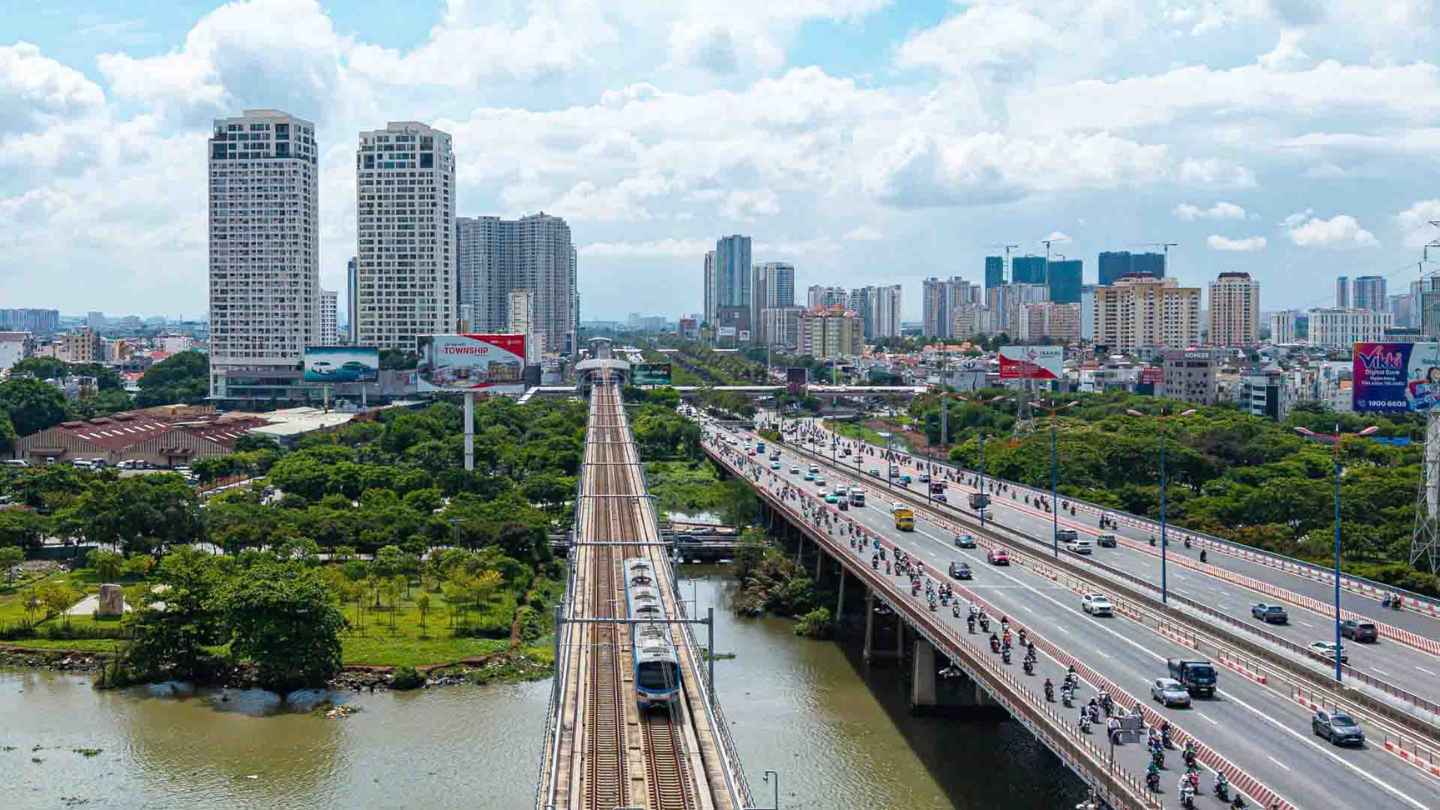
Right next door, Ba Son area - once the old shipyard of Saigon - has transformed into a modern urban area with high-rise towers, squares and Ba Son underground station of Metro Line 1. The official operation of Metro Line 1 from December 22, 2024 has marked the appearance of the first modern public transport method in Ho Chi Minh City, connecting the center with the East and opening up a new development phase for the city.
a
a
Metro No. 1 not only meets the travel needs of people but also creates motivation for the development of urban spaces along the route. Photo: Thai Bao

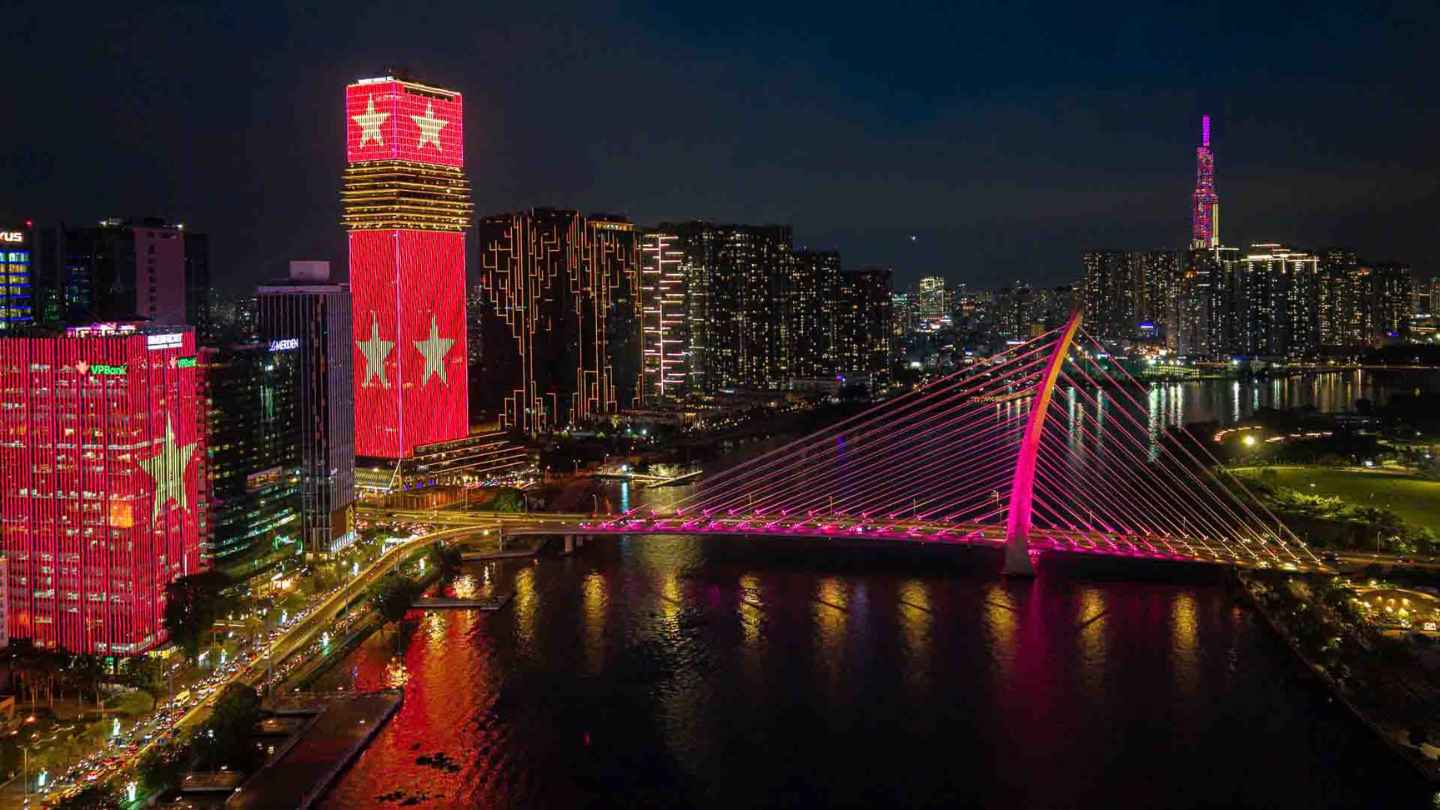
Connecting the two banks of the river is Ba Son bridge, formerly named Thu Thiem 2 bridge. The project was inaugurated on April 28, 2022, nearly 1.5 km long with a 113 m high cable-stayed tower, connecting the city center with Thu Thiem new urban area. Not only contributing to reducing traffic pressure for the Saigon River tunnel and Saigon Bridge, the bridge also quickly became a new architectural symbol of the city.
a
Ba Son Bridge spans the Saigon River, connecting the center of Ho Chi Minh City with Thu Thiem new urban area, contributing to completing urban transport infrastructure. Photo: Thai Bao

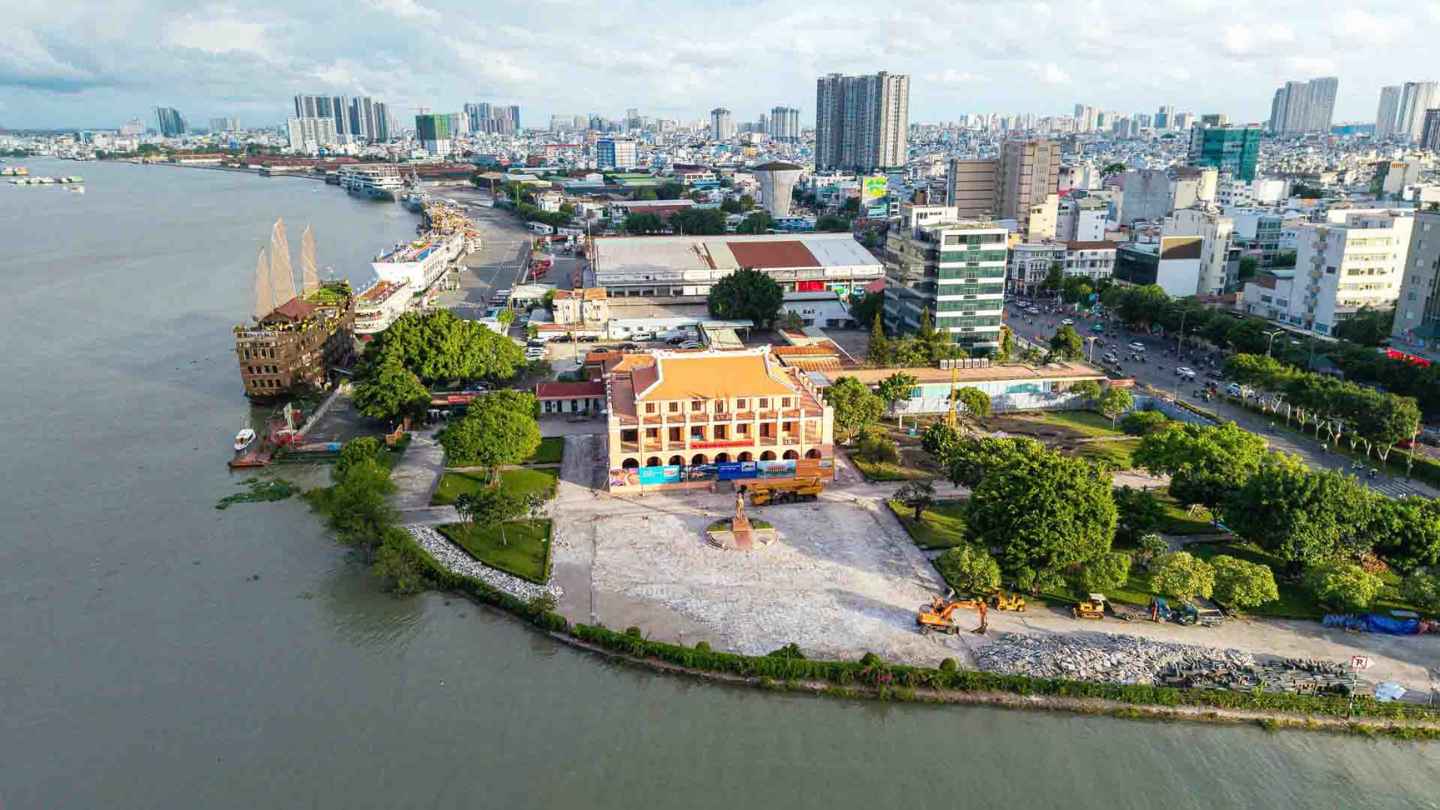
In the downstream area, the Nha Rong - Khanh Hoi wharf area is also entering a period of strong transformation. Nha Rong wharf, where President Ho Chi Minh left to find a way to save the country in 1911, continues to be preserved as a special historical relic, and is also in the planning to renovate the old Saigon port into a cultural, commercial and service space along the river.
a
The appearance of the Nha Rong wharf area continues to be preserved and promoted its value. Photo: Thai Bao

Not far away, Me Linh Square, after many years of degradation, has been renovated and put back into use since 2022. The square with the Tran Hung Dao statue has been synchronously renovated with green trees, walkways and riverside landscapes, creating a harmonious connection point between Nguyen Hue pedestrian street and Ben Bach Dang park.

New growth pole by the Saigon River

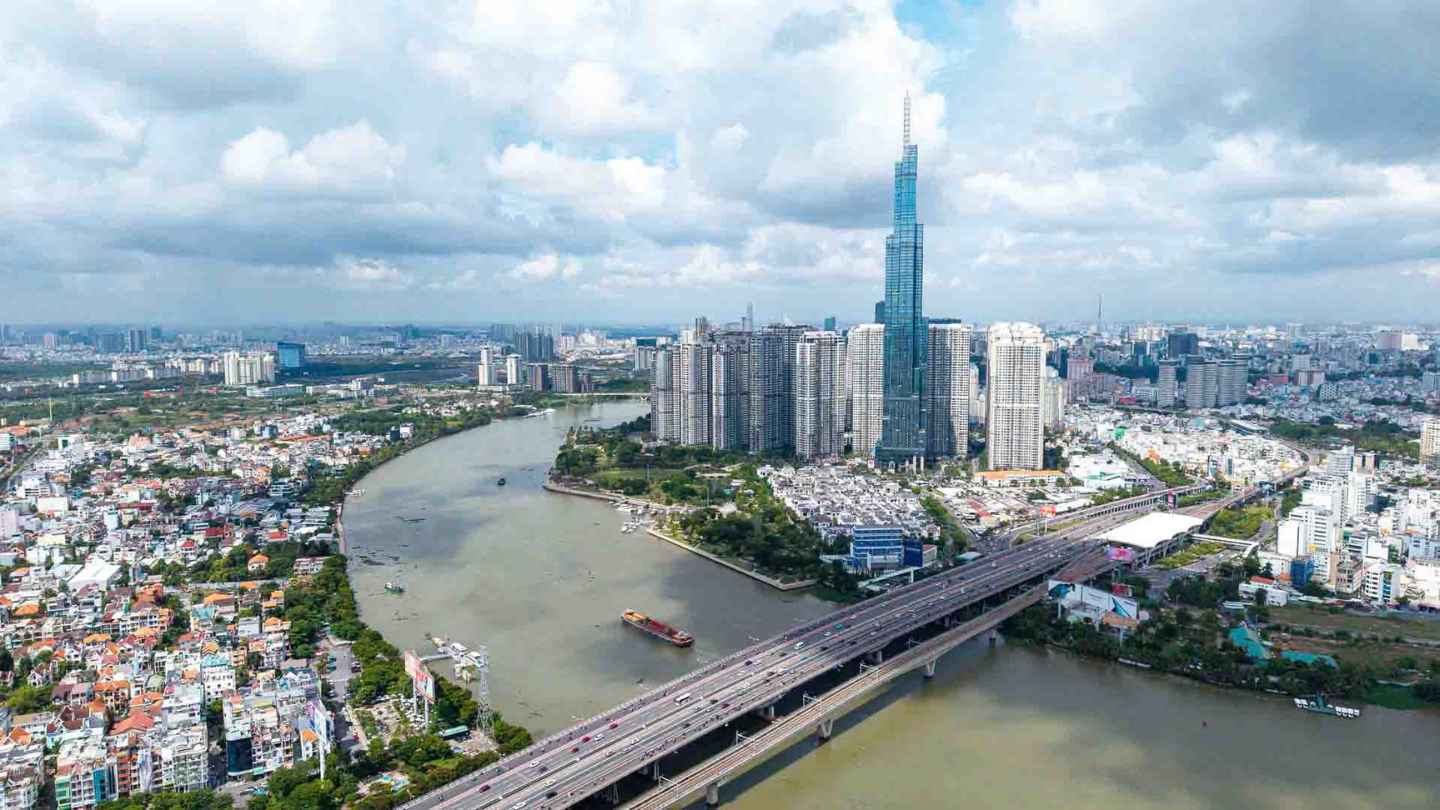
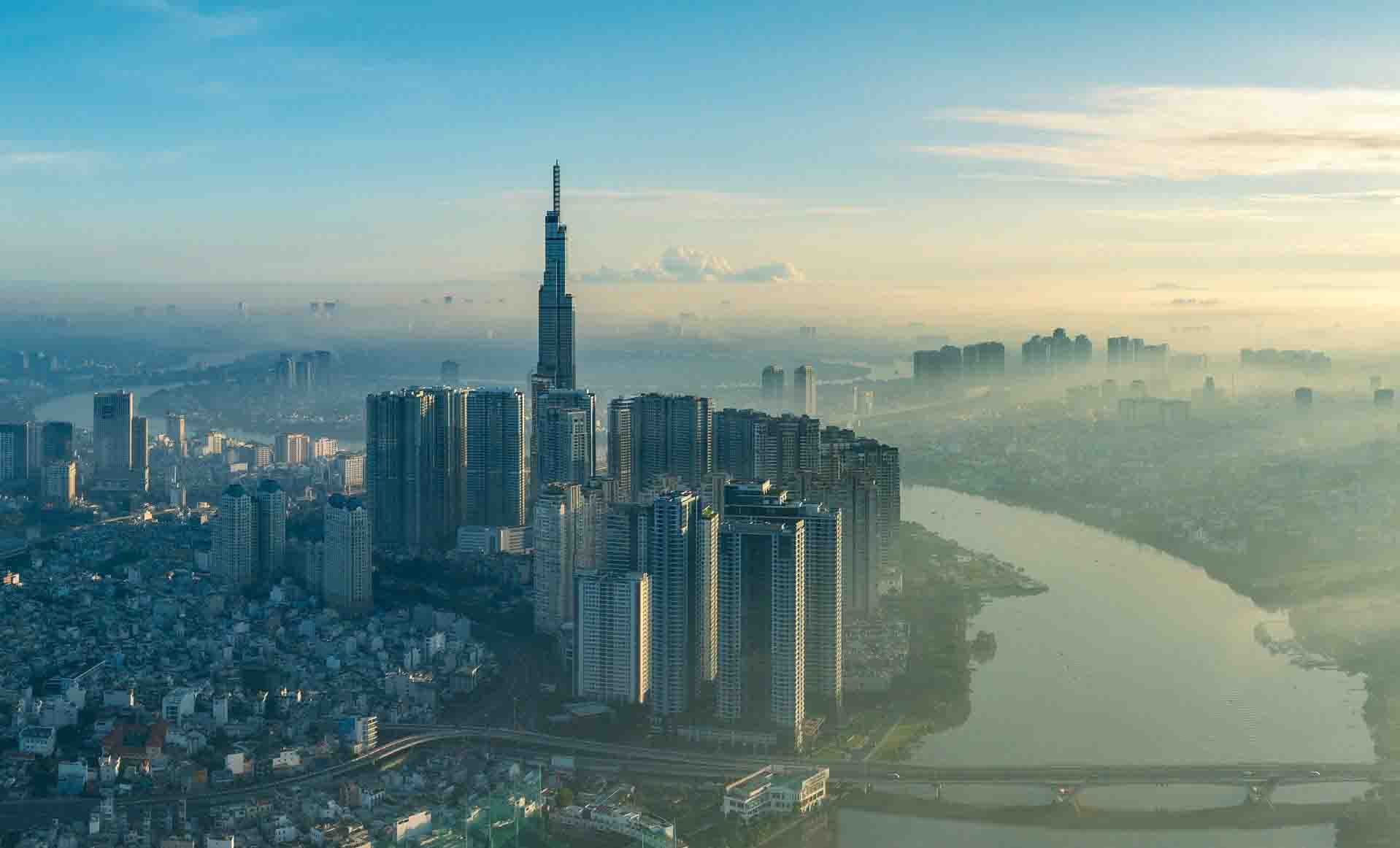
On the other side of the river, the East bank of the Saigon River also witnessed a strong breakthrough. Prominent is Landmark 81, inaugurated on July 26, 2018. With a height of 461.2 m and 81 floors, the project became the tallest building in Vietnam, contributing to affirming the position of the new urban center in the East.
a
Landmark 81 contributes to shaping the modern horizon of Ho Chi Minh City. Photo: Thai Bao

Along with the architectural works is the development of waterway transport. The river bus route went into operation from the end of 2017, connecting Bach Dang wharf with Linh Dong, bringing an additional choice of transportation and city experience from the Saigon River. Along with that, the system of marinas, restaurants and river tours is constantly developing, turning the river from its main role in transportation into an attractive tourism, cultural and entertainment space.

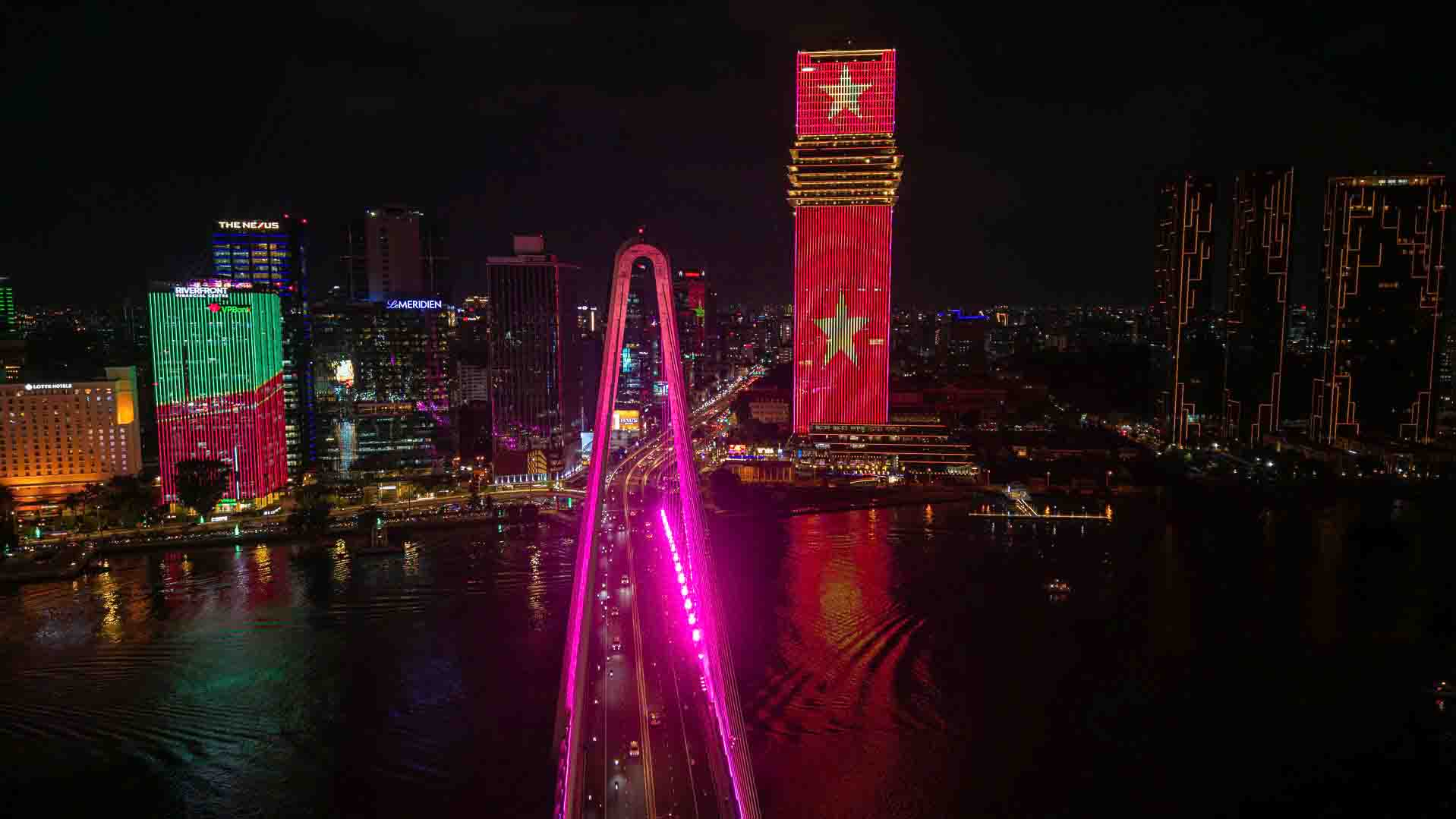
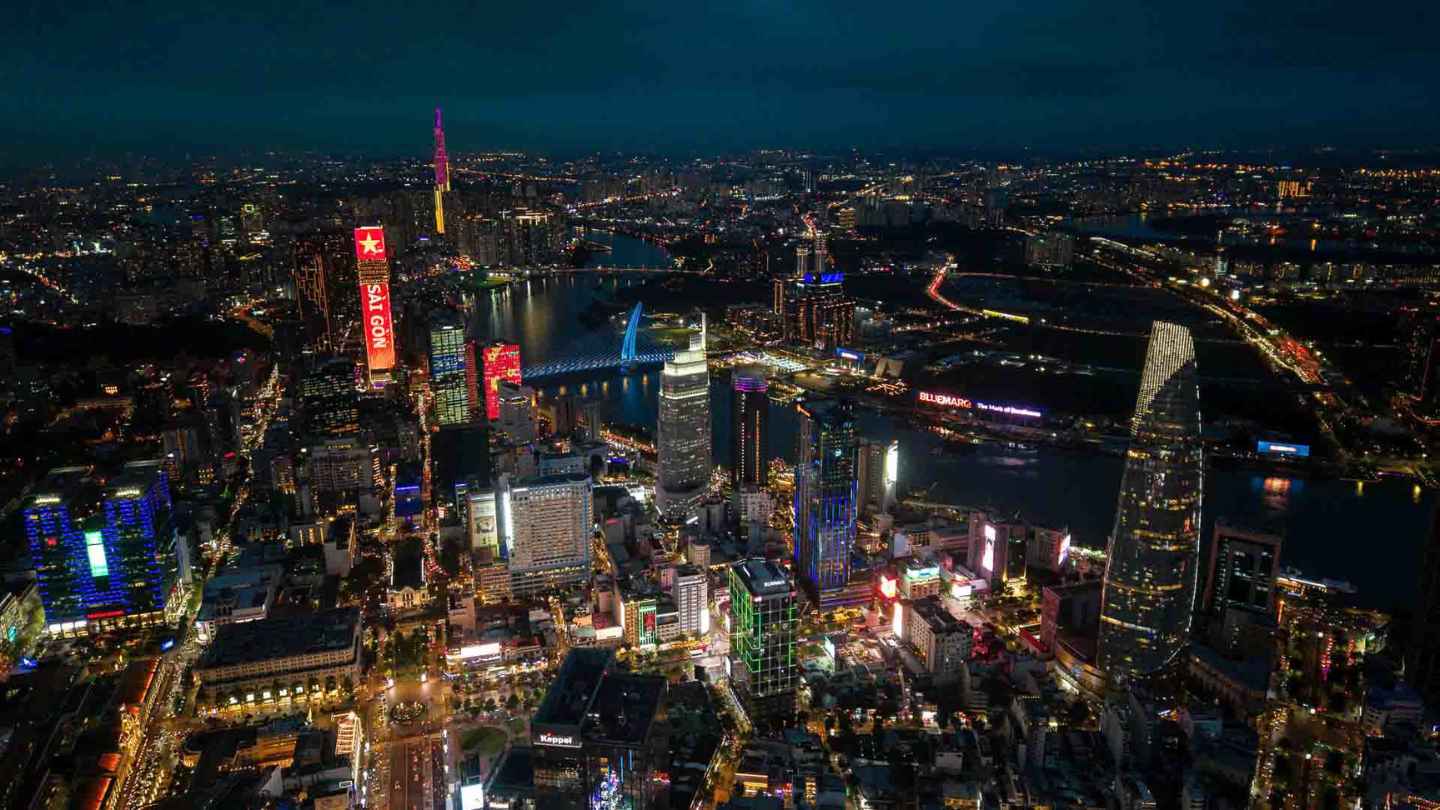
In the coming time, the riverside area is expected to continue to become a new growth center when Ho Chi Minh City implements the Vietnam International Finance Center Project. The project is oriented to build a modern financial, technology and service ecosystem, directly connected to the Saigon River landscape axis, creating more economic development momentum for the city in the new phase.
a
Vietnam International Finance Center in Ho Chi Minh City has a scale of about 898 hectares, including a part of Ben Thanh ward, Saigon ward and Thu Thiem New Urban Area, opening up expectations of attracting global capital flows and raising the financial position of the City. Photo: Thai Bao
a
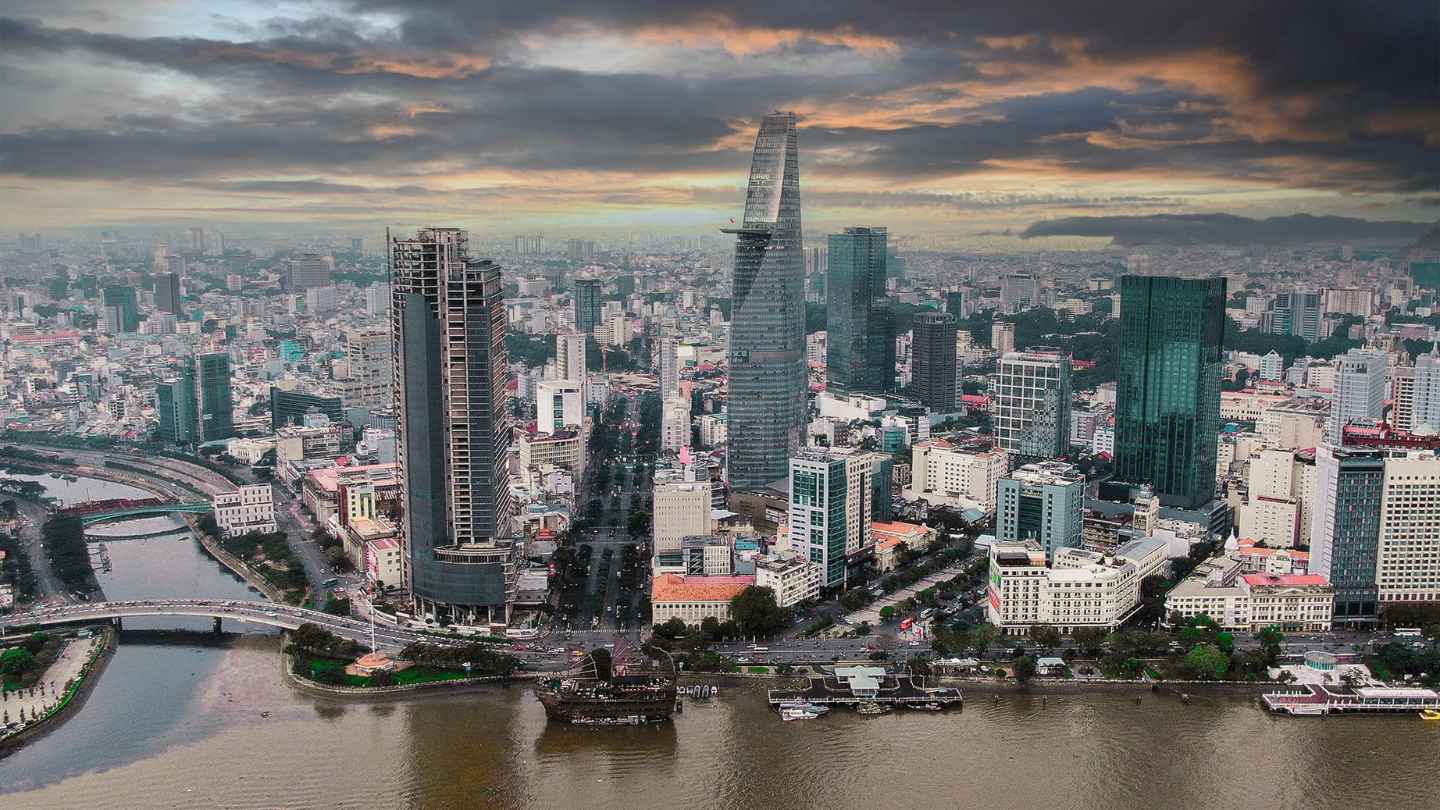
Panoramic view of the Saigon River bank with a chain of parks, squares and modern buildings, creating a new face of the center of Ho Chi Minh City. Photo: Thai Bao

The change of the riverside chain of projects not only changes the urban appearance but also reflects the strong transformation journey of Ho Chi Minh City on the path towards a modern, smart and internationally integrated city.

NGỌC LÊ
RELATED NEWS

Finding motivation from the digital economy

|

Ho Chi Minh City fashion takes advantage of e-commerce to expand the market, while undergoing pressure for green transformation and sustainable development.

Sleepless" economy becomes a new boost for Ho Chi Minh City after 50 years of development

|

After 50 years of construction and development, Ho Chi Minh City is facing the opportunity to make the night economy a new driving force for growth.

Ho Chi Minh City economy strongly recovers, FDI increases by more than 127% after 4 months

|

Ho Chi Minh City - Ho Chi Minh City's economy is showing signs of recovery in 4 months, such as strong FDI attraction, clear recovery in consumption and industry, creating a foundation for double-digit growth.

World Cup 2026 schedule today (June 30)

|

Update World Cup 2026 schedule today (June 30) and early tomorrow morning (July 1), Vietnam time.

Counting back to the day of operation of Viet Duc Friendship Hospital, Ninh Binh facility

|

Viet Duc Friendship Hospital Ninh Binh facility is accelerating completion to officially go into operation from July 10.

Housing rental policy for the poor and low-income in Japan: Lessons learned for Vietnam

|

Ensuring housing access is one of the important contents of social security policies in many developed countries.

Korean star Jung Il Woo moved by the warm welcome of Da Nang audiences

|

Da Nang - Korean actor Jung Il Woo and the film crew of "Mang me di bo" had a warm exchange with the audience after the screening at DANAFF IV.

Finding motivation from the digital economy

NGỌC LÊ |

Ho Chi Minh City fashion takes advantage of e-commerce to expand the market, while undergoing pressure for green transformation and sustainable development.

Sleepless" economy becomes a new boost for Ho Chi Minh City after 50 years of development

NGỌC LÊ |

After 50 years of construction and development, Ho Chi Minh City is facing the opportunity to make the night economy a new driving force for growth.

Ho Chi Minh City economy strongly recovers, FDI increases by more than 127% after 4 months

MINH QUÂN |

Ho Chi Minh City - Ho Chi Minh City's economy is showing signs of recovery in 4 months, such as strong FDI attraction, clear recovery in consumption and industry, creating a foundation for double-digit growth.
