
Bringing "soft resources" into investment attraction strategy
Mentioning the investment attraction advantage of Lao Cai, many people often think of the position of international trade gateway, border gate system, logistics or transport infrastructure that is gradually being completed.
However, in the investment promotion strategy for 2026, the province is choosing a new approach: making culture a direct resource participating in the economic development process.
Instead of just talking to businesses about premises, mechanisms or incentives, the locality wants to introduce an advantage that is difficult to copy - an identity that has been formed and cultivated through many generations.
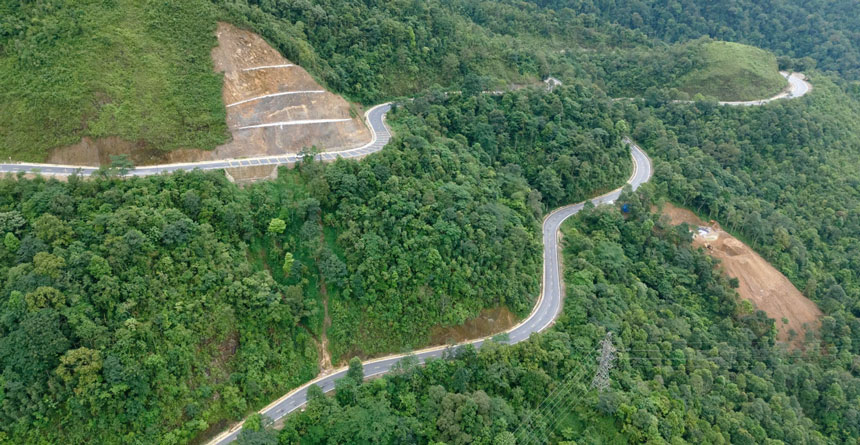
This is also an increasingly concerned factor in the competition to attract high-quality capital flows.
Investors not only look for places with reasonable costs but also care about the living environment, destination brand and the ability to create different products.
Heritage enters the tourism value chain
Lao Cai has a cultural space of more than 30 ethnic groups and 210 ranked relics. Including 1 special national relic, 34 national relics and 175 provincial-level relics.
This locality also owns 60 registered intangible cultural heritages, including 4 UNESCO-registered heritages and 56 national intangible cultural heritages.
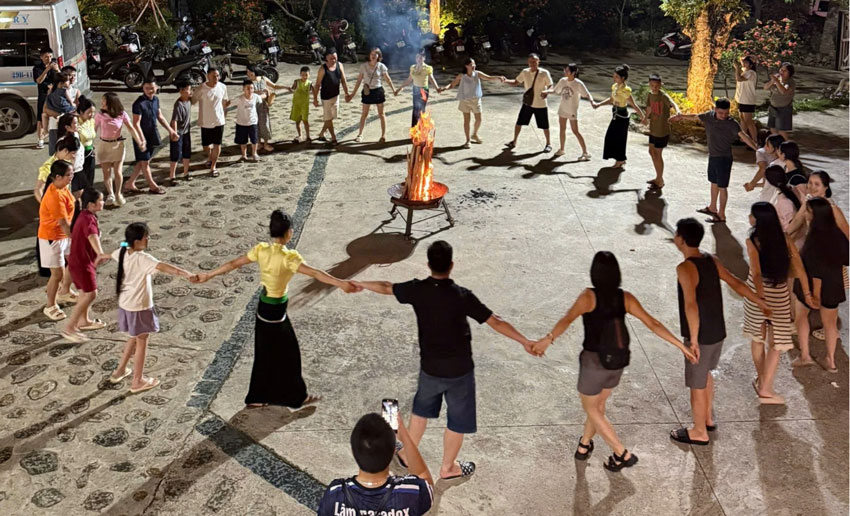
Behind the numbers is a living cultural treasure with traditional festivals, handicrafts, fairs, folk art, cuisine and indigenous knowledge still present in the community's life.
Reality in recent years shows that many cultural values in Lao Cai have gradually been "awakened" by tourism.
From Sa Pa, Bac Ha, Y Ty to Thac Ba Lake, Mu Cang Chai, the unique cultural features of the local community are increasingly connected with natural landscapes to form community tourism, ecotourism, resort and four-season experiences.
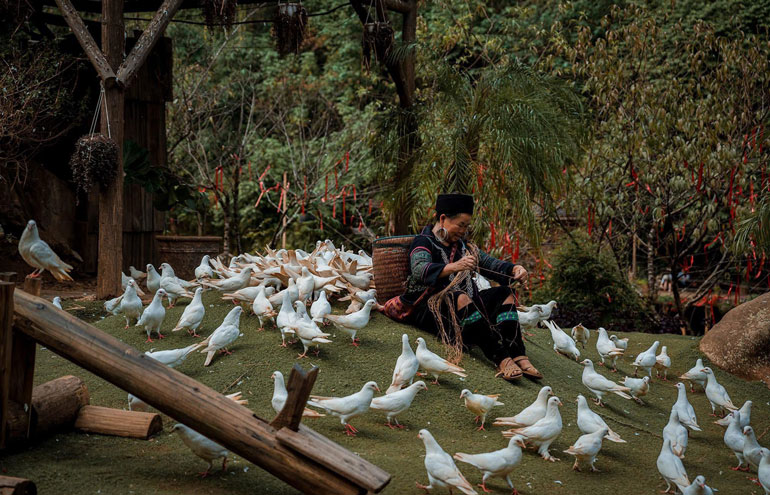
Folk songs, folk dances, brocade weaving, traditional cuisine or village space no longer only appear during festivals. At many tourist destinations, this has become a part of tourists' experiences.
Terraced fields are not only a cultivated work of the highland people but have become a tourism symbol. The market fair is not simply a place to exchange goods but also a cultural space.
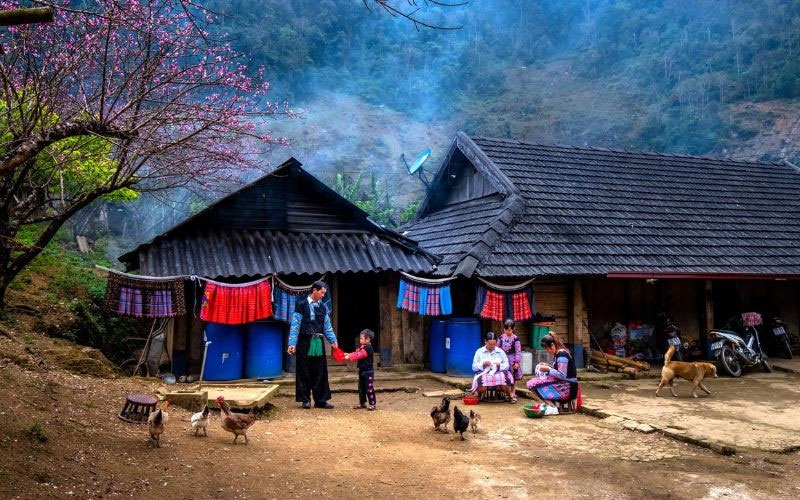
Traditional houses, costumes, khen sounds, xoe dances or local dishes can all become part of the tourism value chain if invested methodically.
That is also room for businesses to participate in the fields of resorts, services, entertainment and cultural industry.
According to Mr. Tran Son Binh - Deputy Director of the Department of Culture, Sports and Tourism of Lao Cai province, the orientation for the coming time is to strongly shift from cultural management thinking to cultural economic development.
In which, the cultural identity of ethnic groups, innovation and application of digital technology are identified as three important foundations.
With this approach, investment space related to culture will not only be limited to traditional tourist areas and attractions.
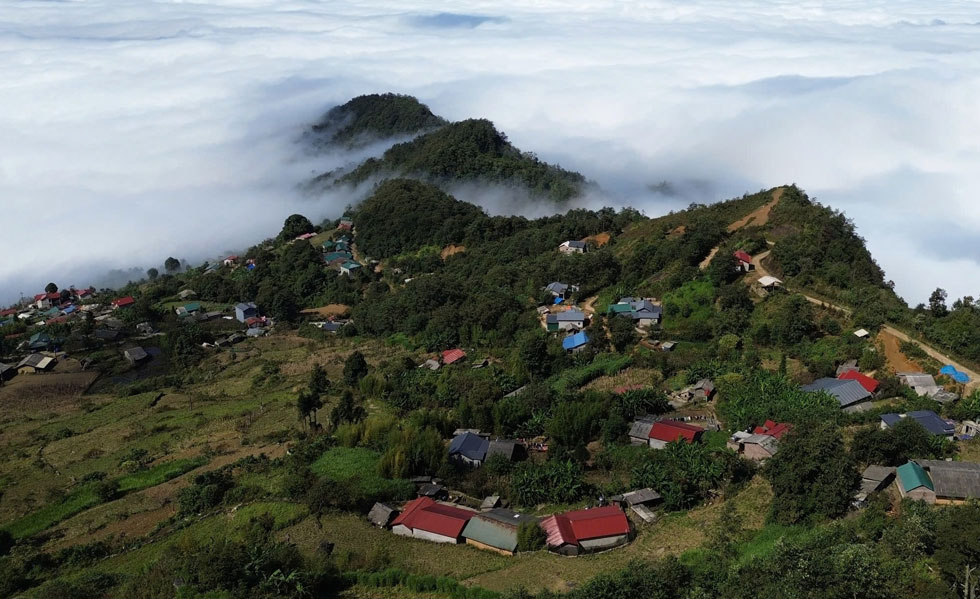
In the direction of attracting investment, Lao Cai is prioritizing high-class resort projects, ecotourism, health care, cultural and entertainment complexes, creative spaces, museums and heritage preservation associated with sustainable tourism development.
The province also orients the development of Sa Pa National Tourist Area to international standards; build Thac Ba Lake, Bac Ha, Y Ty and Mu Cang Chai Terraced Field Scenic Area into national tourist areas; expand community-based tourism destinations that meet ASEAN standards.
On July 16, Lao Cai Provincial People's Committee and Lao Dong Newspaper coordinated to organize a seminar "Lao Cai - A convergence of Northwest colors". The program will spend a lot of time discussing solutions to attract investment in tourism development and expand the connection of international tourist markets to Lao Cai.


