
On May 21, the Office of the People's Committee of Ca Mau province said that the Provincial People's Committee officially announced 96 lists of investment calls for 2026.
The list of projects calling for investment spans the fields of economic zone infrastructure, industrial parks, urban areas, commercial housing, high-tech agriculture and eco-tourism. In which, the group of technical infrastructure projects for economic zones and industrial parks continues to be considered the main driving force for the province's development.
Many large-scale projects are included in the list such as the infrastructure of Ganh Hao Industrial Cluster, Hoa Trung Industrial Park, Song Doc Industrial Park, Khanh An Industrial Park...
Notably, the functional zoning infrastructure project of Ca Mau Economic Zone with a scale of more than 10,800ha is expected to create a breakthrough in the marine economic development strategy of the province and the Mekong Delta region.
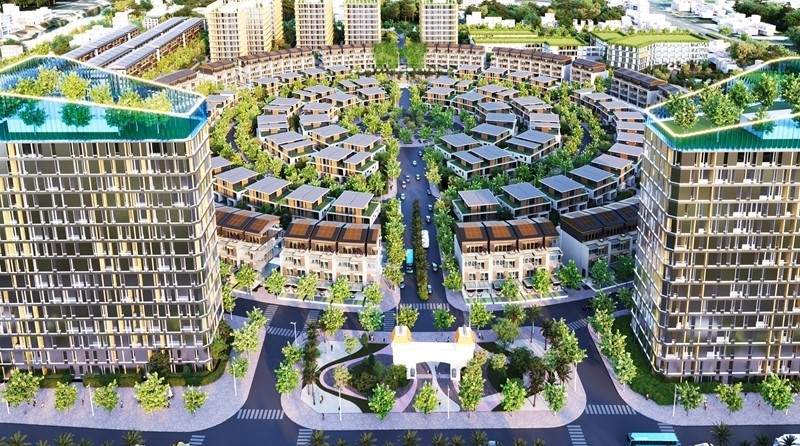
In parallel with industrial development, Ca Mau also prioritizes urban and commercial housing development projects in Ca Mau ward and localities such as Nam Can, Cai Nuoc, Tran Van Thoi. Investment in technical infrastructure and urban embellishment is assessed to contribute to meeting housing needs, attracting labor and creating development space for the local real estate market.
In the context of adapting to climate change, the province also included in the list many agricultural projects applying high technology and ecotourism associated with the characteristic mangrove ecosystem of the region. This is considered a direction that both exploits natural advantages and aims for sustainable development.
According to Ca Mau Provincial People's Committee, publicizing the list of projects and land use planning information aims to increase transparency and create favorable conditions for businesses to access investment opportunities. The total expected capital for projects is up to trillions of VND.
Ca Mau is focusing on improving the investment environment, promoting administrative procedure reform, and committing to accompany businesses to attract capital flows into potential and advantageous areas of the locality.


