
Struggling to find a way out
In recent days, the story of commercial eel stockpiling in An Trach commune continues to make many farming households worried when the amount of eel reaching harvest time still cannot be sold simultaneously.
According to statistics, the whole commune currently has 24 eel farming households with nearly 100 tons of commercial eel stockpiled that have reached or exceeded the selling time. The Ca Mau Provincial Farmers' Association and the locality have launched consumption support, but finding stable outlets is still facing many difficulties.
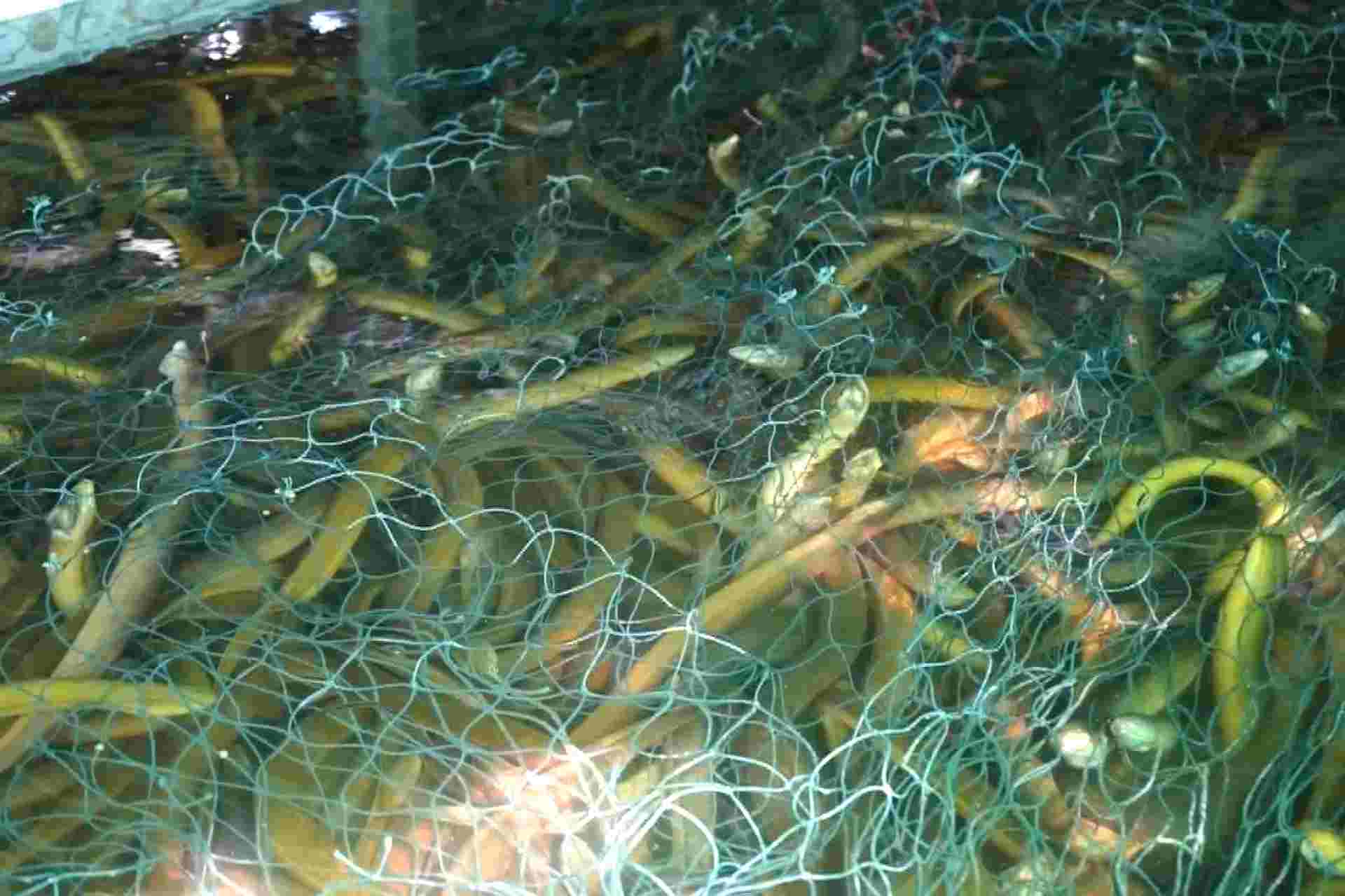
The biggest bottleneck today is not necessarily that there are no buyers but a lack of large orders to completely solve each farming pond. Many traders still come to buy, but the quantity is only a few hundred kilos to less than 1 ton each time, while each farming pond usually has several tons of eels left over.
Small-scale selling makes it impossible for people to release all the backlog of eels, forcing them to continue to anchor in the pond. Meanwhile, the cost of food, electricity, and water is still increasing every day.
Currently, the price of commercial eels is only about 40,000 - 41,000 VND/kg, significantly lower than production costs. Many farming households said that if sold at this time, there is almost no profit, even loss.
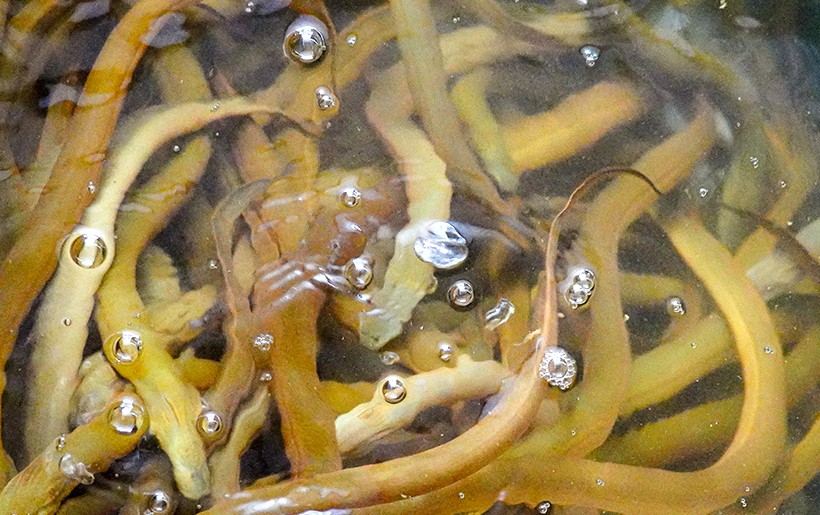
In Hamlet 2, Mr. Ho Van Quyen currently has more than 8 tons of eels that have exceeded the selling age. According to him, to reduce cost pressure, his family has to cut half of the amount of feed each day to hold on and wait for prices to rise slightly.
However, reducing the diet also entails the risk of slow-growing eels, loss and reduced quality. "The longer they are kept, the harder it is to sell because eels are oversized, while costs still arise daily," Mr. Quyen shared.
Not only Mr. Quyen's household, many other farming households in An Trach are also in a similar situation when selling at low prices, and continuing to keep them, costs are increasing.
Need to change agricultural production thinking
Faced with the above situation, the Ca Mau Provincial Farmers' Association is actively connecting consumption through social networks, mobilizing businesses, small traders, collective kitchens and wholesale markets to participate in purchasing.
The locality also coordinates to expand the market to neighboring areas to reduce the immediate pressure of inventory. However, according to the assessment of many households, this is still mainly a temporary solution.
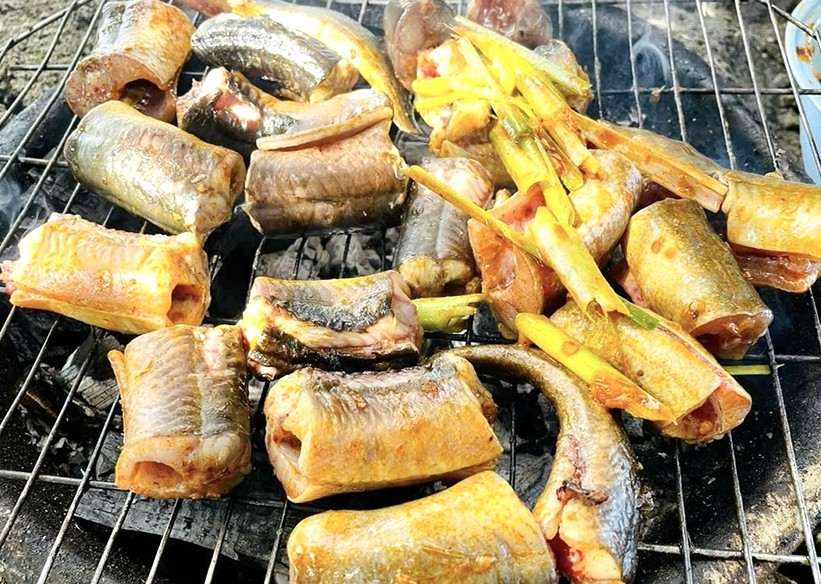
Chairman of An Trach Commune People's Committee Dang Minh Phap said that in addition to continuing to support the consumption of fresh eels, the locality is also considering the option of processing dried eels to extend the shelf life and increase product value.
At the same time, the commune also works with banks to consider extending debt for farmers; and connecting feed and breeding agents to reduce input costs for people.
Speaking at the seminar "Sustainable rural development, livable rural areas" in Ca Mau, Dr. Tran Minh Hai - Vice Rector of the School of Public Policy and Rural Development emphasized that the story of backlog eels or previously pumpkins in Ca Mau shows that production still lacks linkages with the market.
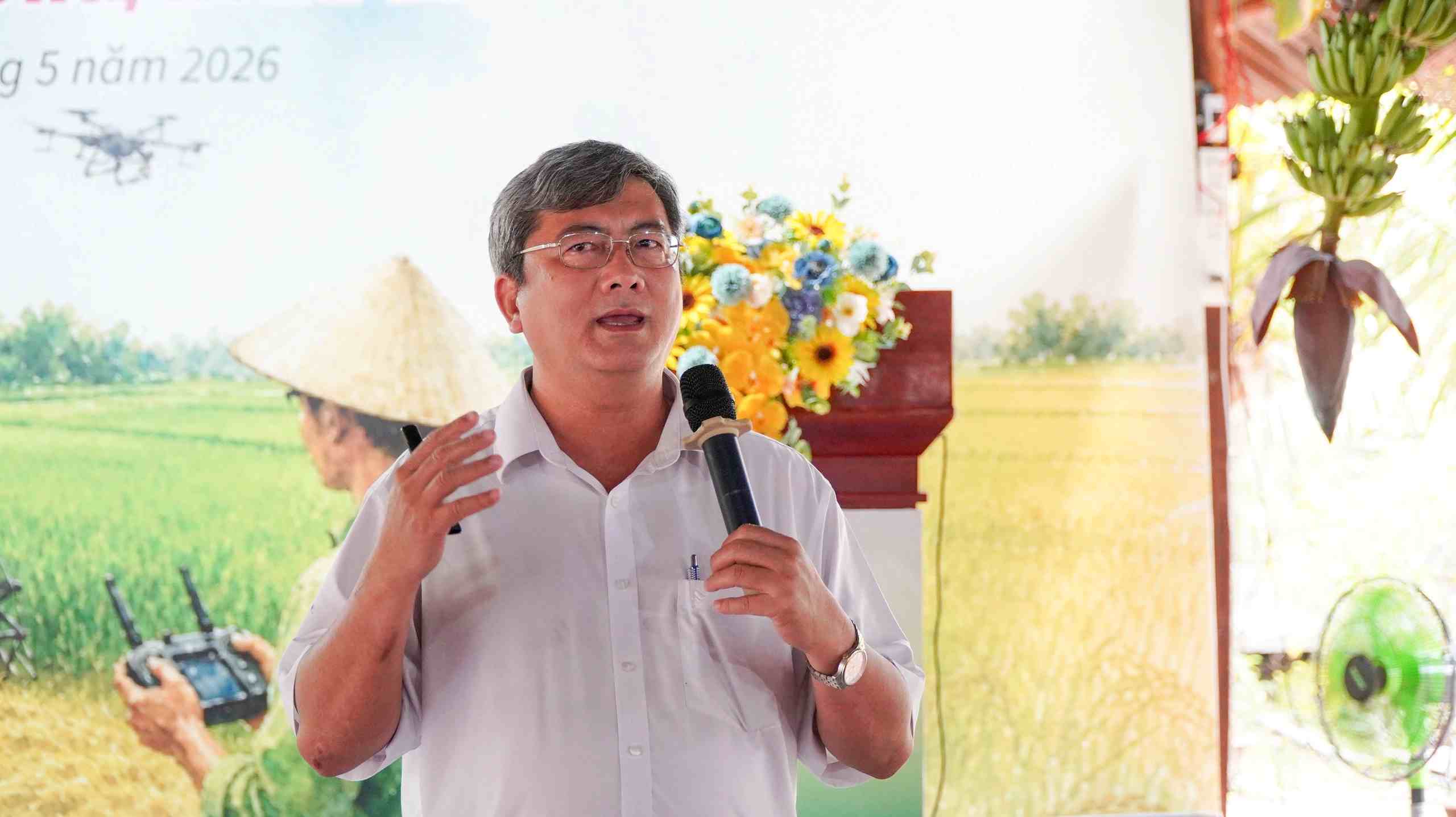
Mr. Hai said that many farming households are still producing according to trends, lacking information about consumer demand and market consumption capacity. When supply increases rapidly but there is no output linkage, agricultural product congestion is very likely to occur.
According to Dr. Hai, for eel farming to develop sustainably, it is necessary to build a linkage chain from production to consumption, with the participation of businesses, cooperatives and functional sectors. At the same time, people also need to change their production thinking, proactively explore the market before expanding farming scale.
Doing agriculture is easy, but to live by agriculture in the current context, you need to have market knowledge, consumption habits and economic thinking," Dr. Tran Minh Hai said.


