
Accompanying businesses to remove difficulties
For many consecutive days, Vice Chairman of Ca Mau Provincial People's Committee Huynh Chi Nguyen has worked with Thanh Tung, Khanh Binh, Khanh Hung, Cai Doi Vam communes. The Vice Chairman of the Provincial People's Committee assessed that the private economy and collective economy continue to play an important role in local economic development, but there are still many difficulties that need to be resolved soon.
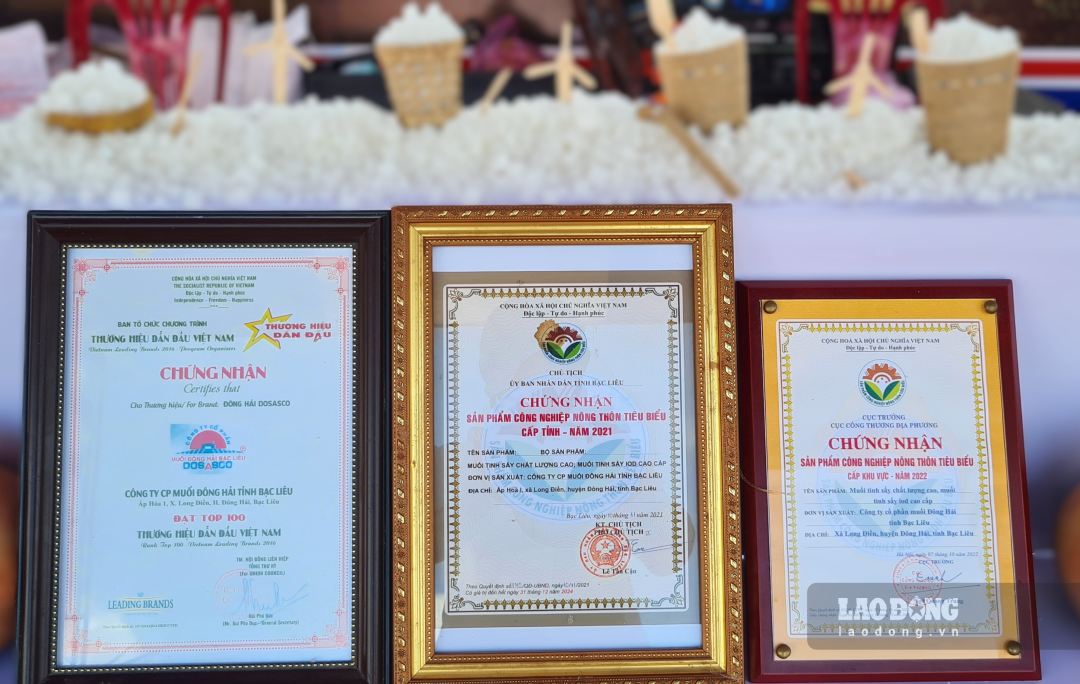
According to reports from localities, businesses and cooperatives are mainly small-scale; management capacity is still limited; difficult to access capital sources; digital transformation and application of science and technology are still slow; production and product consumption linkages are not sustainable. In addition, transportation infrastructure, logistics and cold storage do not meet development requirements.
Localities also proposed that the province continue to expand preferential credit policies; support businesses in digital transformation, technology innovation, trade promotion; encourage business households to transform into businesses and build stable production and consumption linkage chains.
Vice Chairman of Ca Mau Provincial People's Committee Huynh Chi Nguyen requested localities to continue to strongly improve the investment and business environment; shift from management thinking to accompanying and serving businesses.
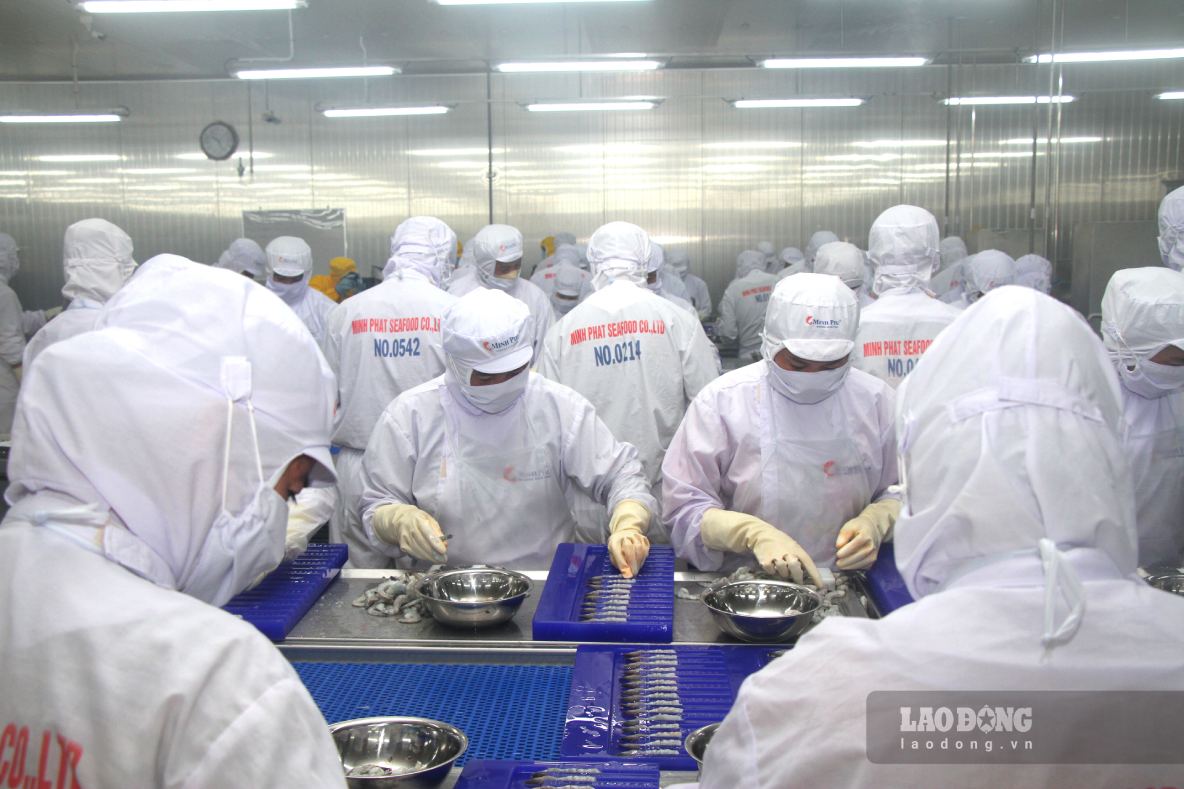
He proposed to review eligible business households to mobilize conversion into enterprises; improve the operational efficiency of cooperatives; develop production linkage models associated with the advantages of each locality, especially in the field of seafood and OCOP products.
At the same time, departments and sectors must proactively guide businesses to access policies on capital, science and technology, digital transformation and markets; review and propose investment in essential infrastructure, especially transportation and logistics, to reduce costs and improve business competitiveness.
According to leaders of the Provincial People's Committee, timely removal of the above difficulties will create motivation for businesses to expand production, contributing to completing the province's economic growth target in the last months of 2026.
Towards the target of exporting 4 billion USD by 2030
In parallel with removing difficulties for businesses, Ca Mau Provincial People's Committee has issued a Plan to promote goods exports in the 2026-2030 period, setting an export turnover target for the whole period of about 17 billion USD, and about 4 billion USD in 2030 alone.
According to the plan, the province focuses on developing advantageous industries such as seafood, shrimp, rice, fertilizers, bananas, OCOP products, garments,... In which, seafood exports strive to reach about 3.695 billion USD by 2030, of which shrimp alone is about 3.5 billion USD.
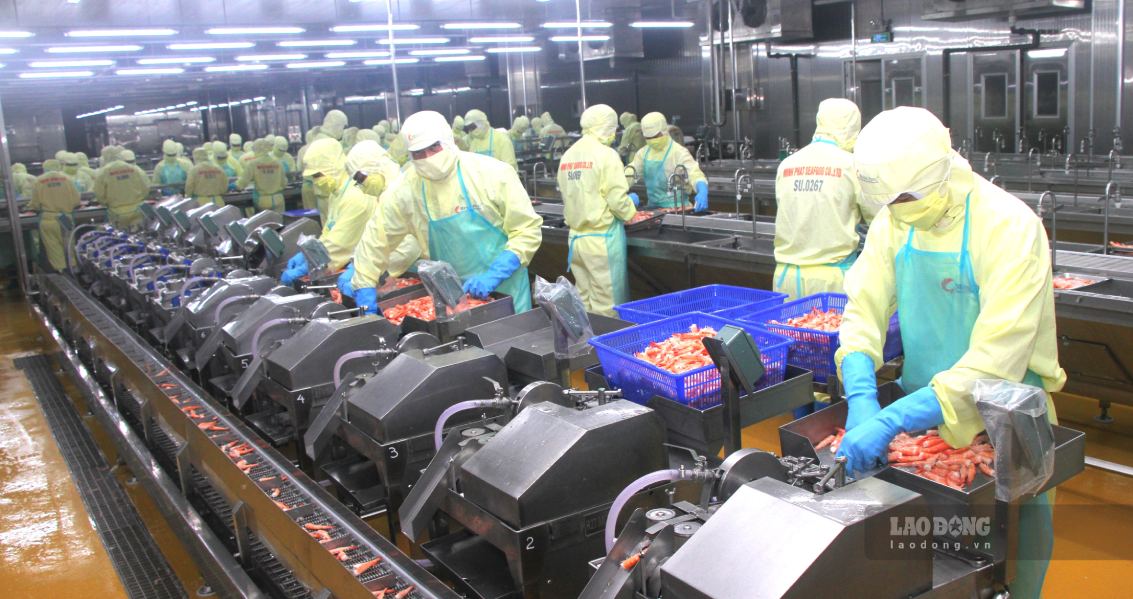
To achieve this goal, the province will build raw material areas that meet international standards, promote deep processing, traceability, develop brands, apply digital transformation and green production; and invest in industrial park and cluster infrastructure, logistics and cold storage to improve export capacity.
One of the key trade promotion activities is the 2nd Ca Mau Shrimp Festival in 2026, expected to take place from November 21 to 23 with the theme "Ca Mau Shrimp - Reaching out to the world". The event will gather businesses, investors, scientists and shrimp farmers to promote the Ca Mau Shrimp brand, connect markets, attract investment and promote the development of the shrimp industry's value chain in a green and sustainable direction.
At a working session with Deputy Prime Minister Ho Quoc Dung on July 14, Ca Mau Provincial Party Secretary Nguyen Ho Hai said that Ca Mau has a lot of room for development. Many dynamic projects have been invested, if these projects are completed, it is an opportunity for the province to attract investment and break through to develop sustainably.
Provincial Party Secretary Nguyen Ho Hai affirmed that Ca Mau is determined to complete and strive to exceed the assigned growth target for the period 2026 - 2030; and at the same time proposed that the Central Government continue to remove difficulties in mechanisms and policies; pay attention to investing in the development of transport infrastructure, energy, logistics, climate change response and high-tech agricultural development.


