
Proactively source irrigation water
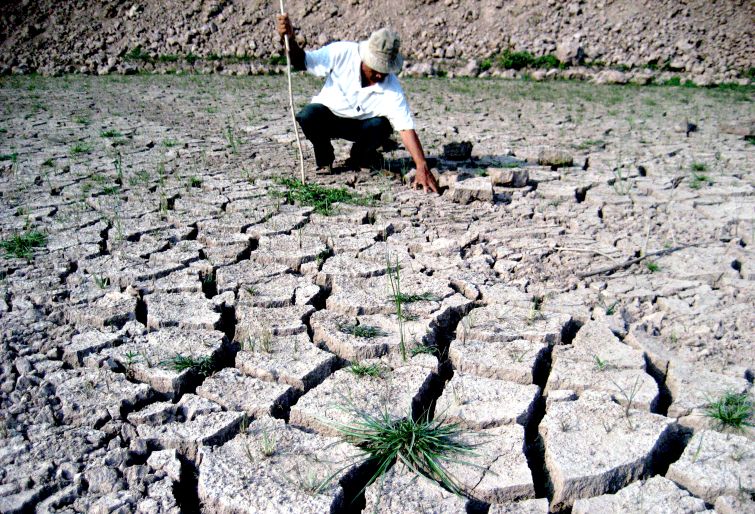
According to MSc Nguyen Phuoc Tuyen - former Director of the Dong Thap Provincial Agricultural Extension Center, in the context of severe drought forecast, proactively managing irrigation water sources is the decisive solution for the survival of gardens.
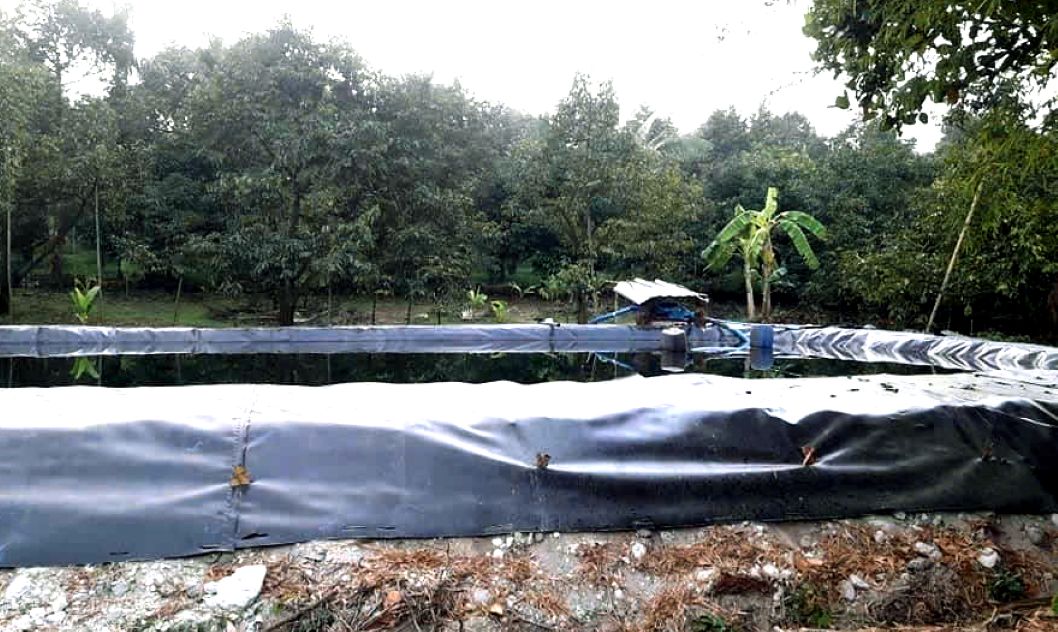
Most fruit trees need a very large amount of water. Durian trees alone may need about 100 liters of water per tree per day. Therefore, gardeners need to calculate the ability to store water for the garden for at least 3-4 months of the dry season," Mr. Tuyen recommended.
Water sources that can be utilized include ponds, ditches, reservoirs or water tanks. When it rains or there is additional water, it is necessary to take advantage of pumping and storing ponds and lakes to prepare for emergencies. Besides, gardeners should apply water-saving irrigation methods to reduce water loss. At the same time, pay attention to irrigation in the early morning or cool afternoon to help limit evaporation and help plants absorb water more effectively.
Moisturize the soil, reduce water loss
Besides supplementing water, moisturizing the soil is an important solution to help plants resist drought. According to M.A. Tuyen, gardeners can cover the base with straw, dry grass, leaves or other organic materials to reduce the rate of water evaporation from the ground.
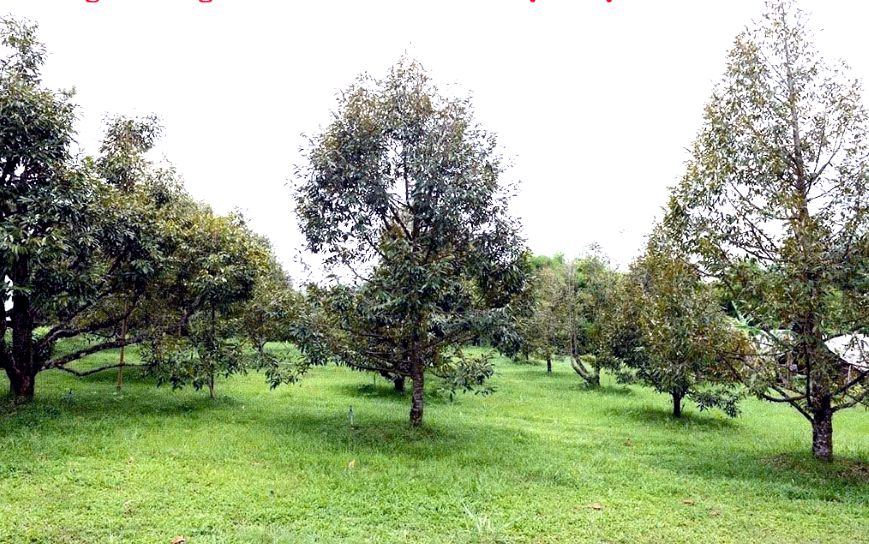
This measure not only retains moisture but also helps improve soil structure. In addition, it is necessary to prune old branches, diseased branches, or unnecessary branches to reduce leaf density, thereby limiting water evaporation. For young plants, you can use a net or make a sunshade to reduce the direct impact of sunlight, or apply measures to increase the number of irrigations but reduce the amount of water each time to help plants absorb better and limit losses.
Fertilizer regime adjustment
In drought conditions, fertilization also needs to be adjusted appropriately. M.A. Tuyen recommends limiting the use of fertilizers with high protein content because it can stimulate plants to produce young leaves, increase water demand and make plants easily depleted.
Instead, nutrients can be added to help increase resistance or biological preparations to help plants reduce stress from heat. For gardens that are bearing a lot of fruit but the water source is not guaranteed, pruning some fruit is also a necessary solution to reduce pressure on the plant, helping the plant maintain its growth.
Pest control
Prolonged hot weather interspersed with unseasonal rain is a favorable condition for many types of pests and diseases to develop. According to Mr. Tuyen, the most common are hemorrhoids, red spiders, scaleflies and mealybugs. These insects sting and suck sap from plants, causing leaves to become discolored, dry and fall out early, directly affecting plant growth and yield.
In addition, the appearance of pests and diseases also affects fruit quality and export capacity. Therefore, gardeners need to regularly check the garden, especially on the underside of the leaves and young shoots to detect early signs of pests and diseases and have timely handling measures.
Saltwater intrusion
According to M.A. Nguyen Phuoc Tuyen, drought not only causes lack of irrigation water but also increases the risk of saltwater intrusion, especially in coastal areas of the Mekong Delta - a region heavily dependent on water from the Mekong River.
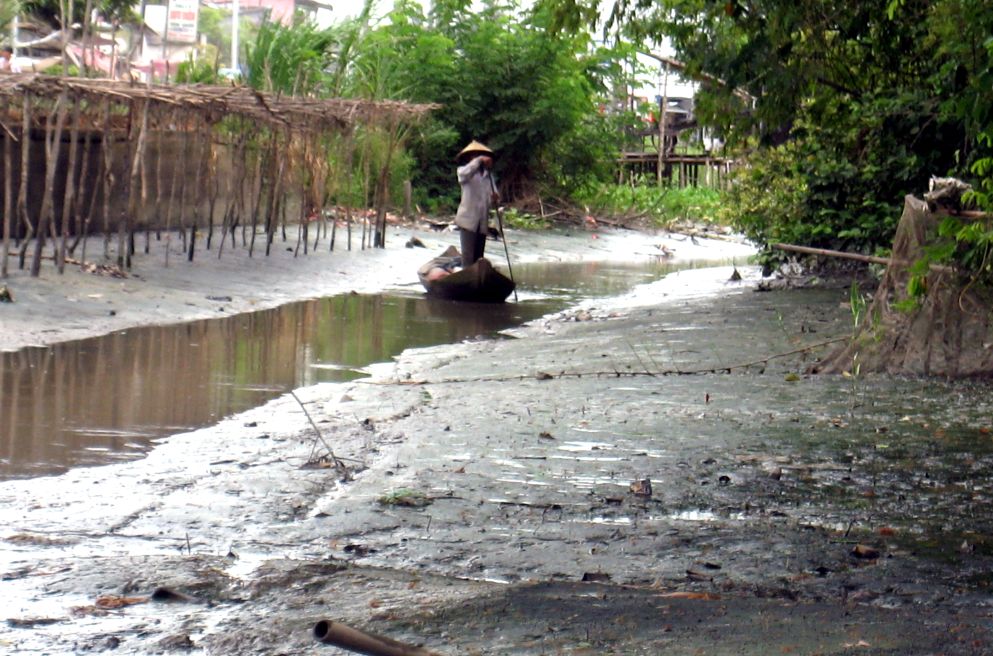
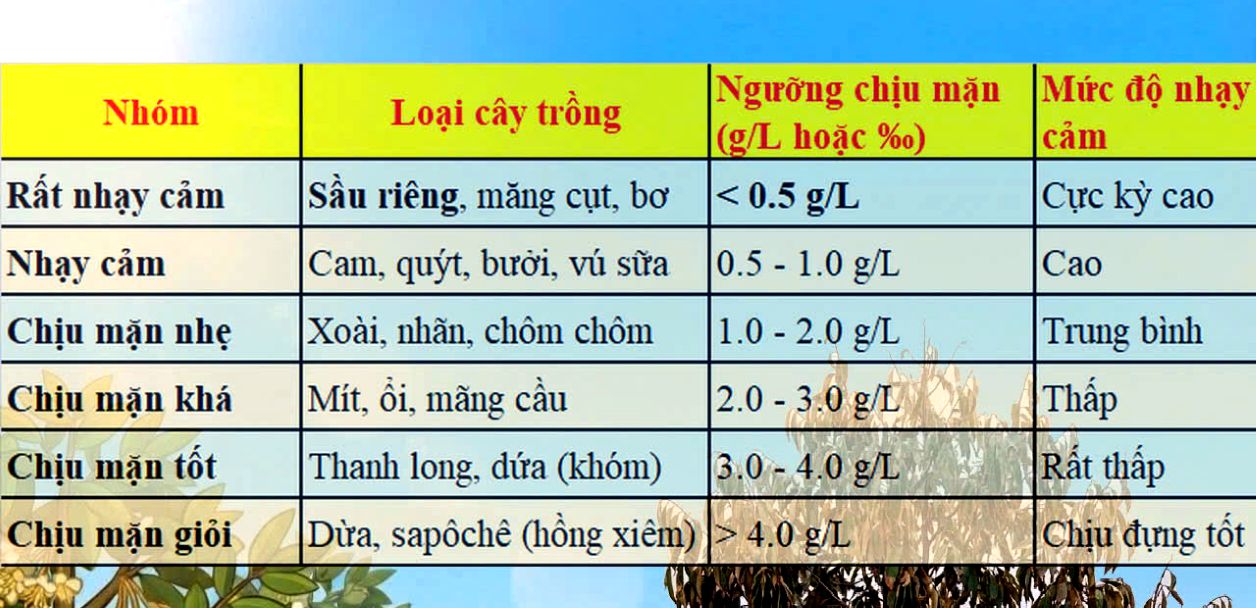
Meanwhile, most fruit trees are very sensitive to salinity. High-value trees such as durian, mangosteen and avocado can only withstand salinity below 0.5 g/liter of water. Groups of trees such as oranges, tangerines, grapefruits and star apples can withstand salinity from 0.5 - 1 g/liter. Mangoes, longans and rambutans can withstand salinity from 1 - 2 g/liter. Even groups of trees with better salt tolerance such as dragon fruit, pineapple, coconut or sapodilla can only adapt when salinity is low. Therefore, gardeners need to regularly check the salinity of water sources before irrigation, and proactively take measures to prevent salinity and store sweetness if cultivating in areas at risk of saltwater intrusion.
Proactively applying technical measures such as water management, reasonable tree care and regular garden environmental monitoring not only helps protect gardens from extreme weather, but also contributes to maintaining productivity and ensuring long-term production efficiency for gardeners.


