
Synchronizing the inspection and determination of goods origin
This is an urgent solution being implemented in the context of increasing signs of origin fraud, evasion of trade remedies and global supply chain shifts.
According to the Customs Department, in the past time, the entire industry has implemented many directives, plans and professional guidance related to goods origin inspection. Units have proactively organized implementation, thereby detecting and handling many violations, contributing to combating budget revenue loss, preventing trade fraud and ensuring customs law enforcement.
However, the economic and international trade context continues to be complicated as trade conflicts between economies increase, the trend of shifting investment and production occurs more strongly along with the development of cross-border e-commerce. This is both an opportunity but also puts great pressure on customs management.
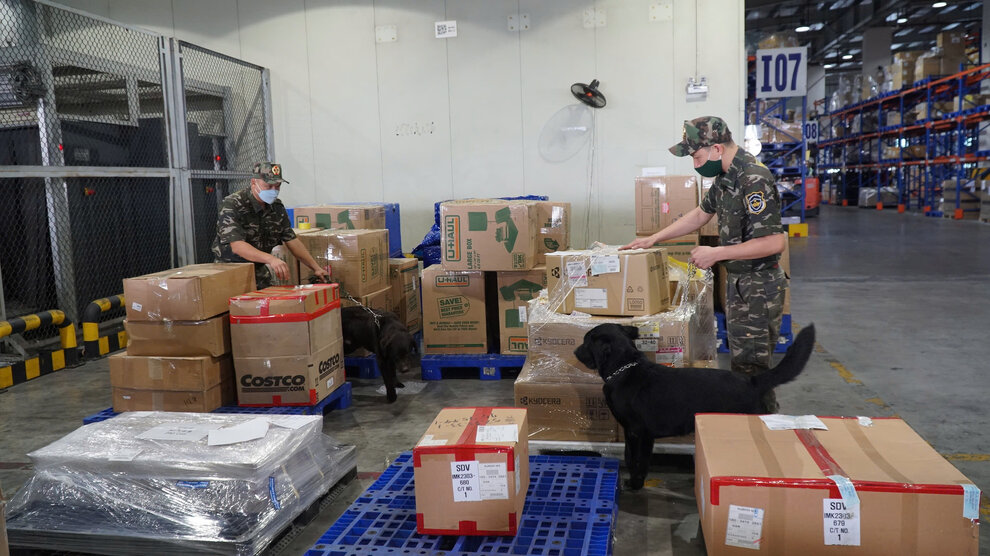
Notably, the situation of taking advantage of origin to evade taxes, evade trade remedies, legalize the origin of goods and illegal transportation is tending to increase in both scale and sophistication.
On that basis, the Customs Department requests units to synchronously deploy the inspection and determination of goods origin according to current regulations on customs, foreign trade management, goods origin, goods labeling and administrative sanctions.
For imported goods, customs authorities must strengthen the inspection of declaration dossiers on the country of origin, goods names, HS codes, goods descriptions, certificates of origin (C/O), origin criteria and compare the consistency between declarations and customs dossiers. In case of suspicion, conduct actual inspection of goods to determine the origin on goods, packaging, transport documents and related documents.
One noteworthy content is to inspect cases of goods manufactured abroad but with pre-written information showing Vietnamese origin on goods or packaging. Cases with signs of counterfeiting goods labels and origin fraud will be handled according to regulations.
Strengthening control over commodity groups and high-risk types
Also according to the Customs Department, for export goods, inspection is required to be carried out strictly from the stage of receiving dossiers to actual inspection of goods to assess the ability to meet the origin criteria according to regulations.
The customs authority will compare the declared information with input materials, production process, processing and export products; and at the same time strengthen verification at the production facility or C/O issuing agency in case abnormal signs arise.
The official dispatch also clearly states some fraudulent methods that need special attention such as: importing raw materials and components from abroad but only performing simple processing and assembly stages and then recording the origin as Vietnamese; dividing operations through many legal entities to legalize origin; falsely declaring dossiers requesting C/O to enjoy tariff preferences or legalizing origin for export.
For goods sent to bonded warehouses, units are required to closely monitor the activities of merging goods, changing packaging status, and labeling before exporting to third countries or bringing them into the country to prevent the risk of illegal transfer.
Through risk analysis, the Customs Department identified a number of key commodity groups that need to be strengthened for inspection, including: wood and wood products; interior and sports equipment; steel and steel products; electronics and components; electric bicycles; solar panels, lithium panels; artificial stone; ceramic tiles; tires; plastic packaging; machinery and equipment; footwear, handbags; food and agricultural products.
In addition, the types of codes are also included in the key monitoring area such as export business (B11), processed product export (E52), exported production product export (E62), goods from bonded warehouses exported abroad (C12); import for consumer business (A11), import for production business (A12), import for export production raw materials and import raw materials for processing for foreign traders.
According to the Customs Department, strengthening inspection and origin identification not only aims to prevent trade fraud and combat budget losses, but also contributes to protecting the reputation of Vietnamese goods, ensuring the effective implementation of international trade commitments and creating a transparent competitive environment for the business community.


