
Agricultural output is increasingly open
On March 22, Lam Dong Provincial People's Committee said that in the first quarter of 2026, the agricultural, forestry and fishery sector continued to grow positively, reaching 4.98% (plan of 4.95%), affirming the supporting role of the economy.
However, to achieve double-digit growth, the agricultural sector needs to strongly shift from extensive development to in-depth, improving added value and competitiveness.
The focus is on accelerating restructuring towards modernization, applying high technology; expanding the area of high-tech agricultural production, forming large-scale concentrated production areas associated with deep processing.
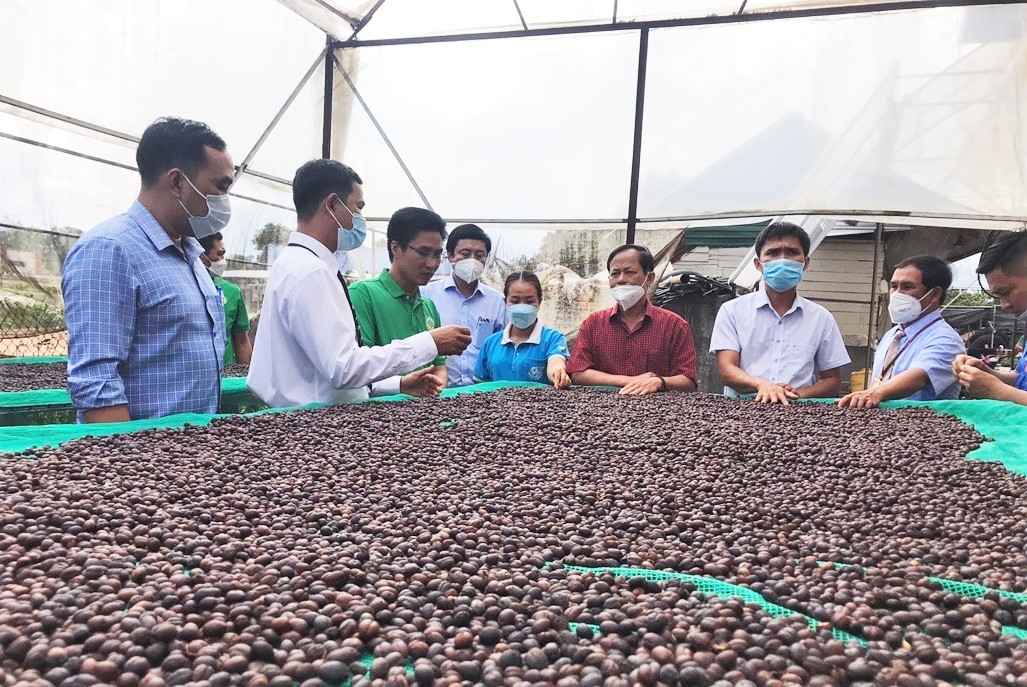
Thereby, improving productivity, quality and competitiveness of agricultural products. At the same time, promoting value chain linkages from production to consumption, reducing intermediaries, stabilizing output, and increasing people's incomes.
Key products are oriented towards building international brands, improving OCOP quality, promoting consumption through e-commerce and expanding export markets, especially potential markets.
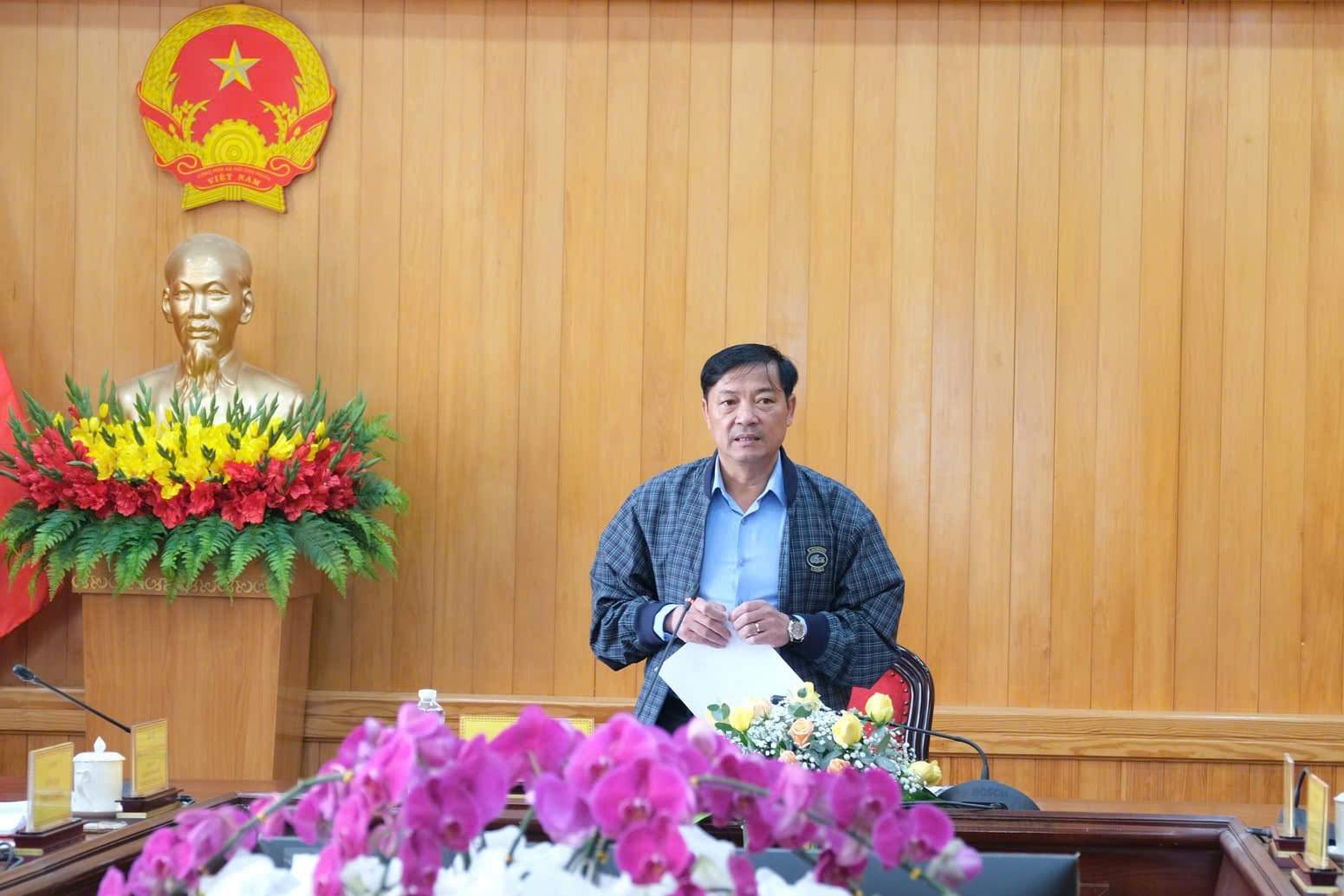
Vice Chairman of Lam Dong Provincial People's Committee Le Trong Yen said that in terms of area, yield and output, the locality has affirmed its position as a key high-tech agricultural region of the country.
Lam Dong agricultural products not only serve the domestic market but also export to many markets such as the US, UK, Korea, China, Japan, Eastern European countries and the EU.
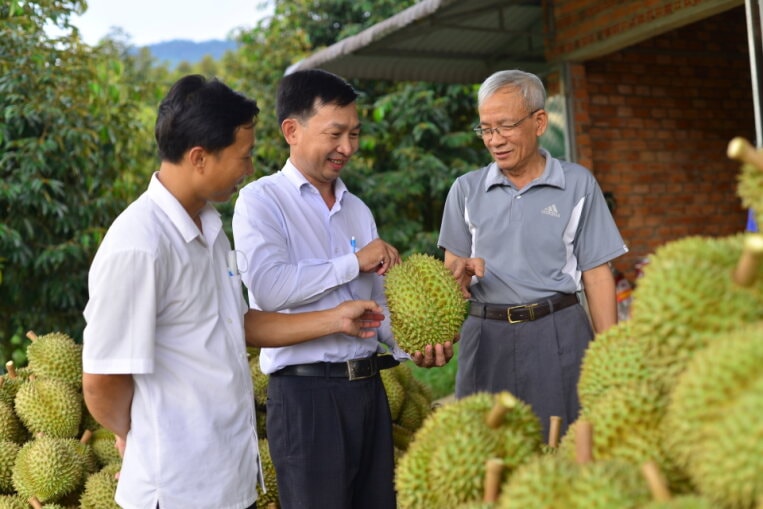
However, export activities are still limited when most of them are through intermediary businesses outside the province, not fully promoting their potential and advantages.
In the context of fluctuating input costs, optimizing production through digital transformation, mechanization and technology application is identified as an important solution to reduce costs and improve efficiency.
Linking development with environmental protection
For livestock, the province orients development towards industry, ensuring biosafety, strictly controlling epidemics, especially African swine fever, associated with proactive vaccine sources and closed farming processes.
The fisheries sector is restructured towards sustainability, focusing on developing high-tech aquaculture, upgrading infrastructure, strengthening solutions to combat IUU fishing, creating a foundation for long-term development.
At the same time, environmental protection plays a key role in ensuring sustainable growth. Faced with the impact of climate change, proactively responding to drought and water shortages is an urgent task.
The province prioritizes investing in completing the irrigation system, improving regulation capacity, and striving to ensure that over 75% of production areas are irrigated proactively.
In the forestry sector, forest protection work continues to be strengthened, associated with the application of technology such as smart monitoring systems, unmanned aerial vehicles to promptly detect and handle violations, and reduce the risk of forest fires.
Maintaining the forest cover rate not only contributes to environmental protection but also creates sustainable livelihoods for people.
According to Vice Chairman of the Provincial People's Committee Le Trong Yen, the management of land and mineral resources is being tightened in a transparent and effective direction, avoiding overlapping planning. The completion of the land database will improve management efficiency and create favorable conditions to attract investment.
Along with that, waste treatment and pollution control are promoted, especially the implementation of waste sorting at source, improving the collection and treatment rate to meet standards in both urban and rural areas.


