
After the 12th Economic Corridor Cooperation Conference of 5 provinces and cities held in Sa Pa, Lao Cai is reorganizing the entire logistics chain, from import and export points to gathering, transshipment and transportation of goods to consumption centers or seaports.
One of the projects expected to open up more space for the logistics chain is the road bridge across the Red River in the Bat Xat (Vietnam) - Ba Sai (China) area.
The project was jointly started by the two sides on March 31, 2025. Vietnam is accelerating construction, aiming to close the main span in early December 2026 and put the project into operation in the first quarter of 2027.
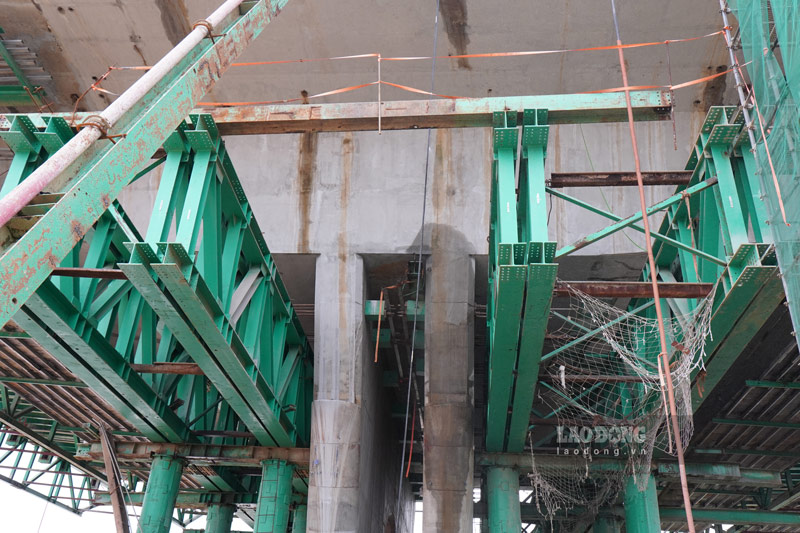
Mr. Phi Cong Hoan - Director of Lao Cai Department of Construction - said that along with the new bridge, the province is preparing conditions to form the Ban Vuoc customs clearance route.
When put into operation, this hub is expected to re-allocate vehicle traffic, reduce pressure on Kim Thanh, and at the same time open up more space for border gate and logistics service development in the Bat Xat area.
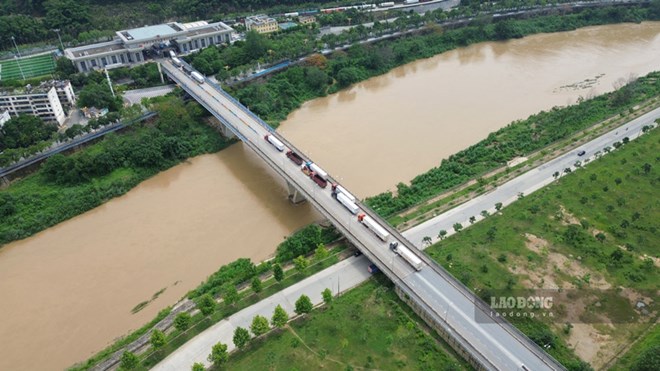
Previously, in July 2026, Vietnam and China signed an agreement to extend 3 transport routes through the Lao Cai - Ha Khau border gate. These routes directly connect Hai Phong, Hanoi with Mong Tu, Kunming, Chengdu and Chongqing.
The fact that vehicles are allowed to go deeper into the domestic waters of each country can help reduce some transshipment and load transfer stages, shorten transportation time and create conditions to organize more efficient two-way cargo sources.
In addition, the Lao Cai - Hanoi - Hai Phong railway project is expected to create a fundamental shift in cargo transport capacity throughout the corridor.
The route not only connects Lao Cai with Hanoi and Hai Phong but also aims to connect with the Chinese railway network through Ha Khau Bac, thereby forming a large volume transport axis from Yunnan to the seaport system in northern Vietnam.
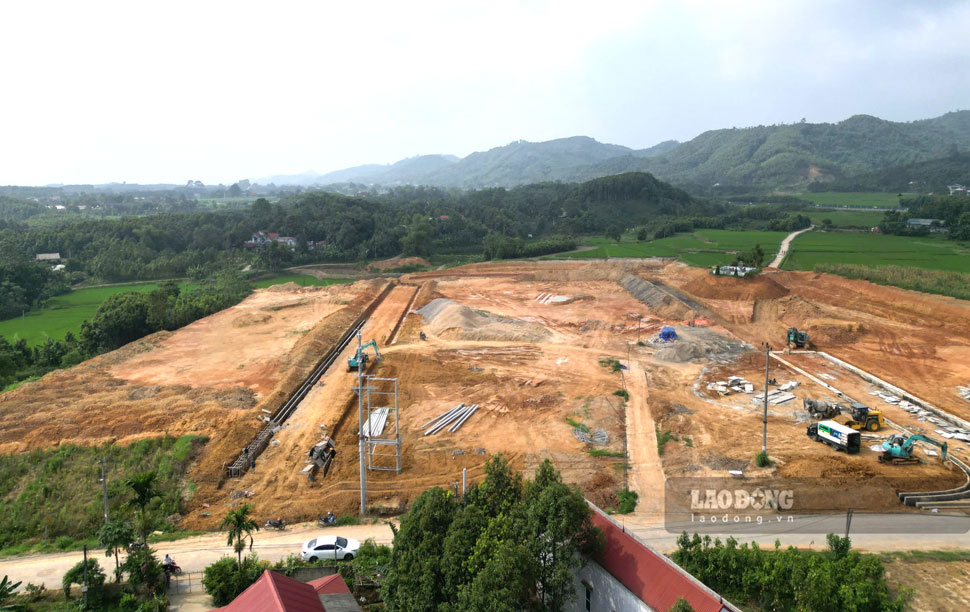
In Lao Cai, site clearance for the project is being implemented throughout the route. Landmarks have been handed over in 12 communes and wards with routes passing through; 28/38 resettlement areas and 3/4 site clearance and technical infrastructure projects have been started.
Regarding the railway connection point across the border, the competent authorities of the two countries are negotiating a plan and completing the Agreement on the construction of a railway bridge between Lao Cai station and Ha Khau Bac station.
A new direction being prepared by Lao Cai is smart transportation associated with smart border gates.
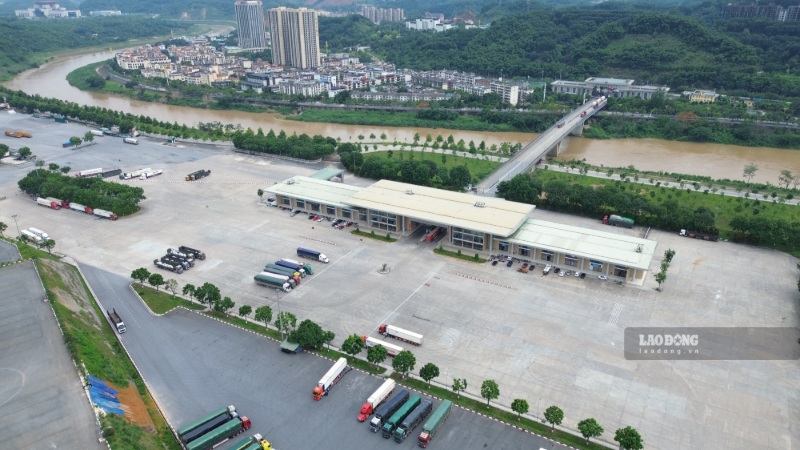
In Kim Thanh and Ban Vuoc, the province is developing a pilot plan for automated intelligent transportation (IGV).
The goal is not simply to bring technology equipment into border gates but to move towards changing the organization and management methods of vehicles and goods.
When data on vehicles, warehouses, train schedules, containers, cargo sources and customs clearance capacity are shared, localities can proactively coordinate cargo flows, reduce waiting times, limit empty vehicles and improve infrastructure exploitation efficiency.
When border connection points are expanded, railways are connected, multimodal transport is developed and logistics data is shared, Lao Cai will not only be a place where goods "go through" but may become an important logistics center of the corridor.


