
To reach 2 million businesses, it is necessary to change thinking about business models.
Speaking at the seminar "Impressions of 1 year of implementing Resolution 68" organized by the Financial Investment Magazine – VietnamFinance on May 13, Dr. Le Duy Binh - Director of Economica Vietnam, said that the biggest achievement that can be seen after one year of implementing Resolution 68 on private economic development is a strong change in ideology and policy orientation.
A series of resolutions, documents and legal regulations have been issued to support the implementation of the resolution. Immediately after Resolution 68, many other resolutions of the National Assembly and the Government were issued to remove bottlenecks in policy implementation, handle legal obstacles as well as adjust many regulations in a more favorable direction for the private economic sector. This is the biggest impact that Resolution 68 has brought in the past time," he said.
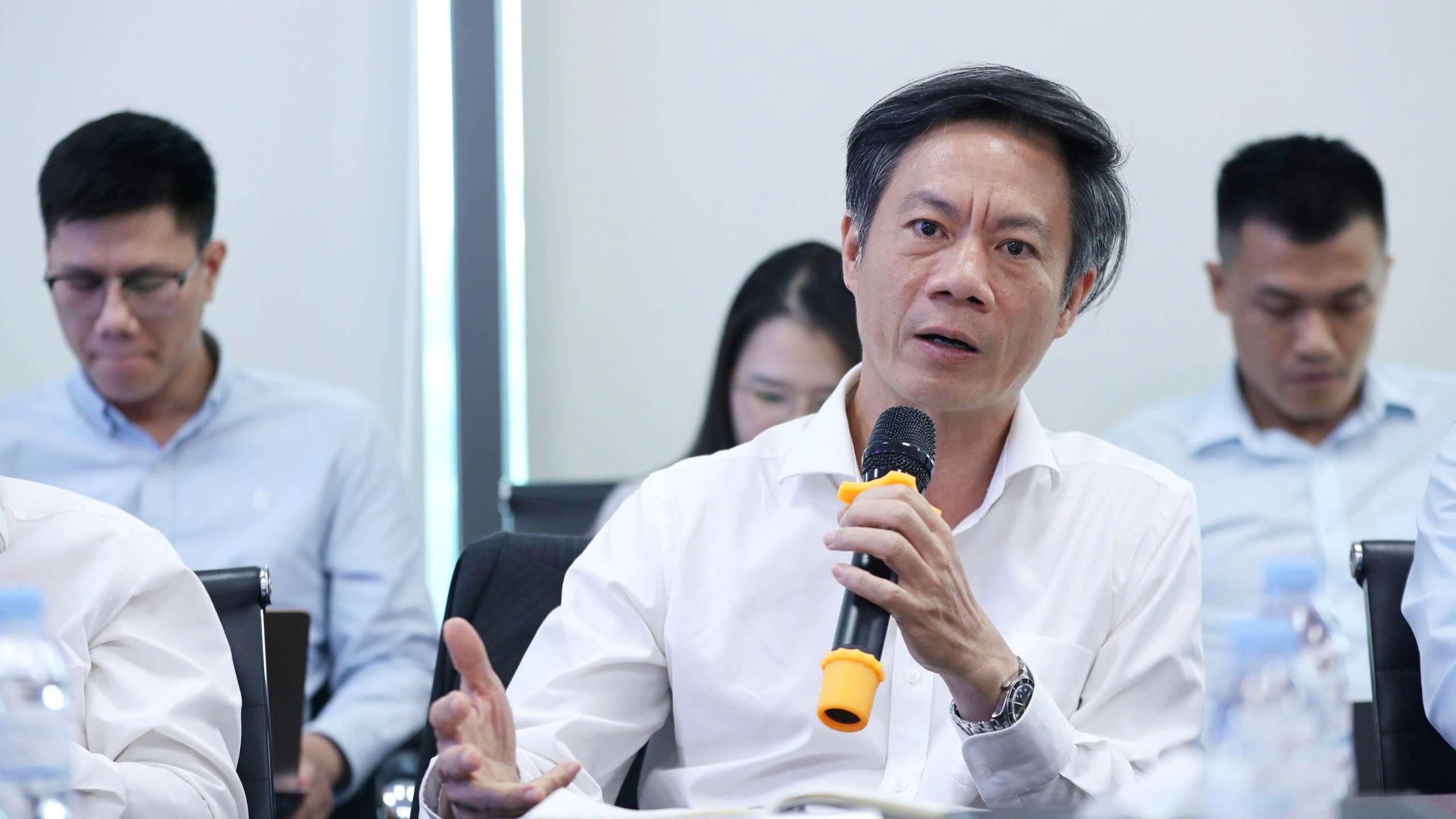
Referring to the goal of reaching 2 million businesses, Dr. Le Duy Binh said that Vietnam will find it difficult to achieve this number if it does not fundamentally change its thinking about the business model.
One-owner business is a very necessary model because this is a simple, low-cost business method, suitable for individuals to start a business, experiment with business ideas and make a living. When successful, these entities can develop into a limited liability company or joint-stock company model. However, Vietnam currently does not have a suitable legal foundation to effectively support this model and this is something we need to study," he raised the issue.
Supporting businesses to access resources
Exchanging at the seminar, Mr. Bui Thanh Minh - Deputy Director of Office of Department IV, said that when looking at the current story of private economic development, it is necessary to raise the issue at both the macro and micro levels, because many reforms are being implemented but the actual effectiveness has not yet met expectations.
According to Mr. Bui Thanh Minh, currently public opinion is placing too much expectation on Resolution 68 alone, while institutional reform and building a favorable business environment is a long-term process, which cannot be resolved in just a few months.
He believes that the core issue lies in the design thinking of reform. If you only look at individual issues without an overall perspective, the more reforms are carried out, the less real impact they can create, and even make it more difficult for businesses. "Resolution 68 not only aims to increase the number of businesses, but also to improve the quality and efficiency of business operations," he said.
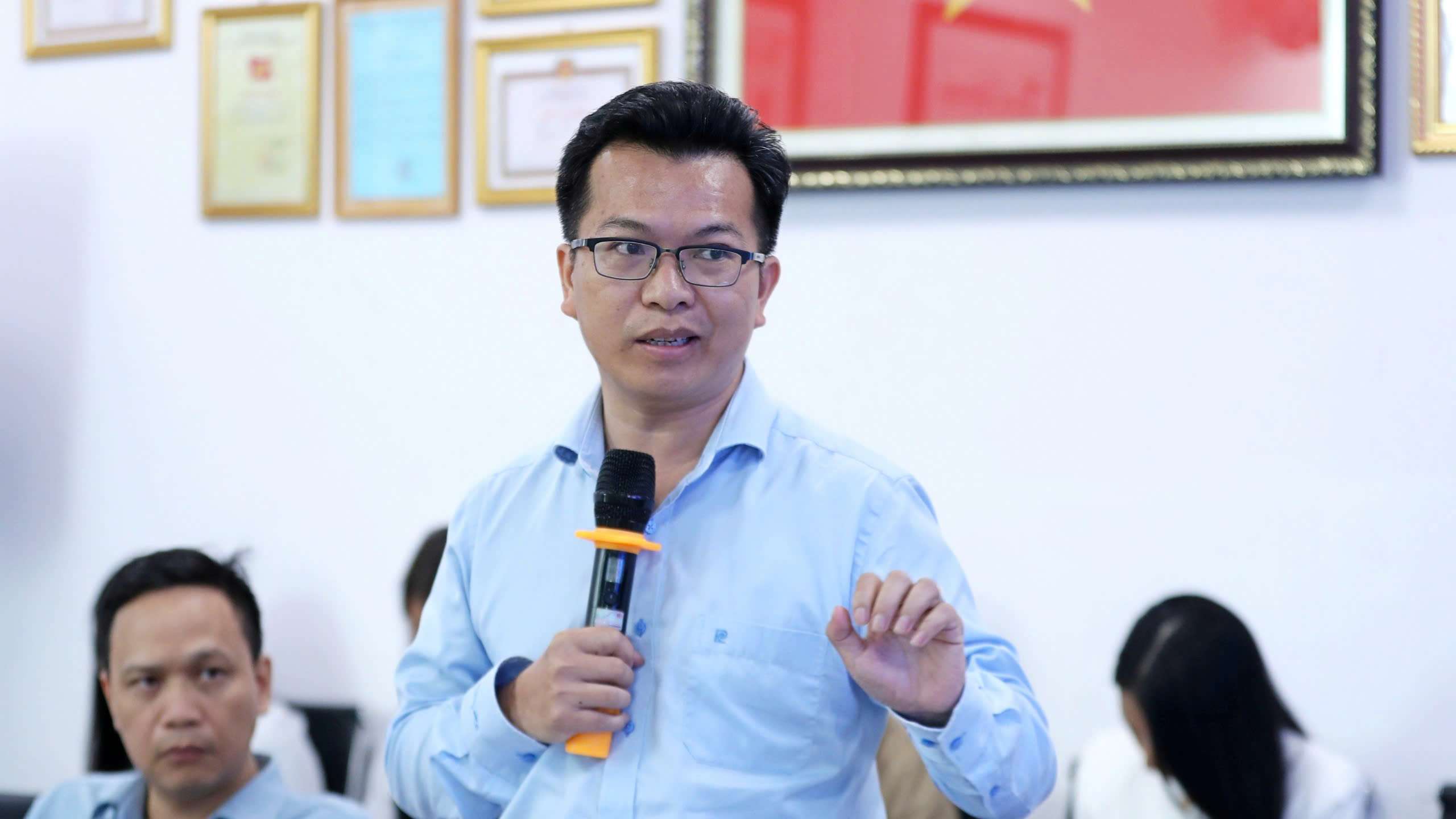
According to him, after Resolution 68 was issued, the Government and the National Assembly have made many efforts to institutionalize policies. Resolution 198 of the National Assembly, programs to support businesses to access resources, programs to promote innovation, green transformation or training entrepreneurs can be mentioned.
He especially mentioned pioneering business development programs and CEO training as part of efforts to build a "drill pin" for the economy, creating a class of businesses with higher competitiveness.
In the past year, the efforts of institutionalization are very commendable," he assessed.
However, according to Mr. Minh, there are still many important policies that are slow to be implemented. For example, mechanisms to support business households to transform, or a 2% interest rate support package for green investment and technology innovation businesses have not yet been as effective as expected. Meanwhile, pressure from international trade, especially the requirement for green transformation and sustainable development standards, is creating great pressure on the business community.
According to him, if there is no comprehensive change in the approach and method of building a business environment, the number of businesses will not only be difficult to increase sharply but also risk declining.


