The joy spread throughout Thanh Quang commune (Thanh Ha district, Hai Duong province) when the fabric this year, with good prices, brought a total revenue of about 455 billion VND to the people. This year, the output is stable, the selling price is high right from the beginning of the season, many households have earned hundreds of millions to billions.
fabric continues to affirm its key role in local economic development, thanks to the application of technical advances, proactive linkages for consumption and market expansion.
Mr. Nguyen Van Hien, a household in Thanh Quang commune, shared: "This year, the fabric has a good harvest and good price, so the people are very excited. My family has more than 1 example of pink fabric and mixed fabric, with an output of about 7 tons, sold for more than 300 million VND".
According to Thanh Quang Commune People's Committee, by June 22, the whole commune had harvested about 13,000 tons of fabric early, and had basically completed the harvest. With an average selling price of 35,000 VND/kg, people earn about 455 billion VND.
The commune currently has about 700 hectares of fabric, mainly early fabric including: white egg tubers, thorn tubers, pink tubers and hybrids - varieties for early harvest, so the price is higher than the main season fabric.
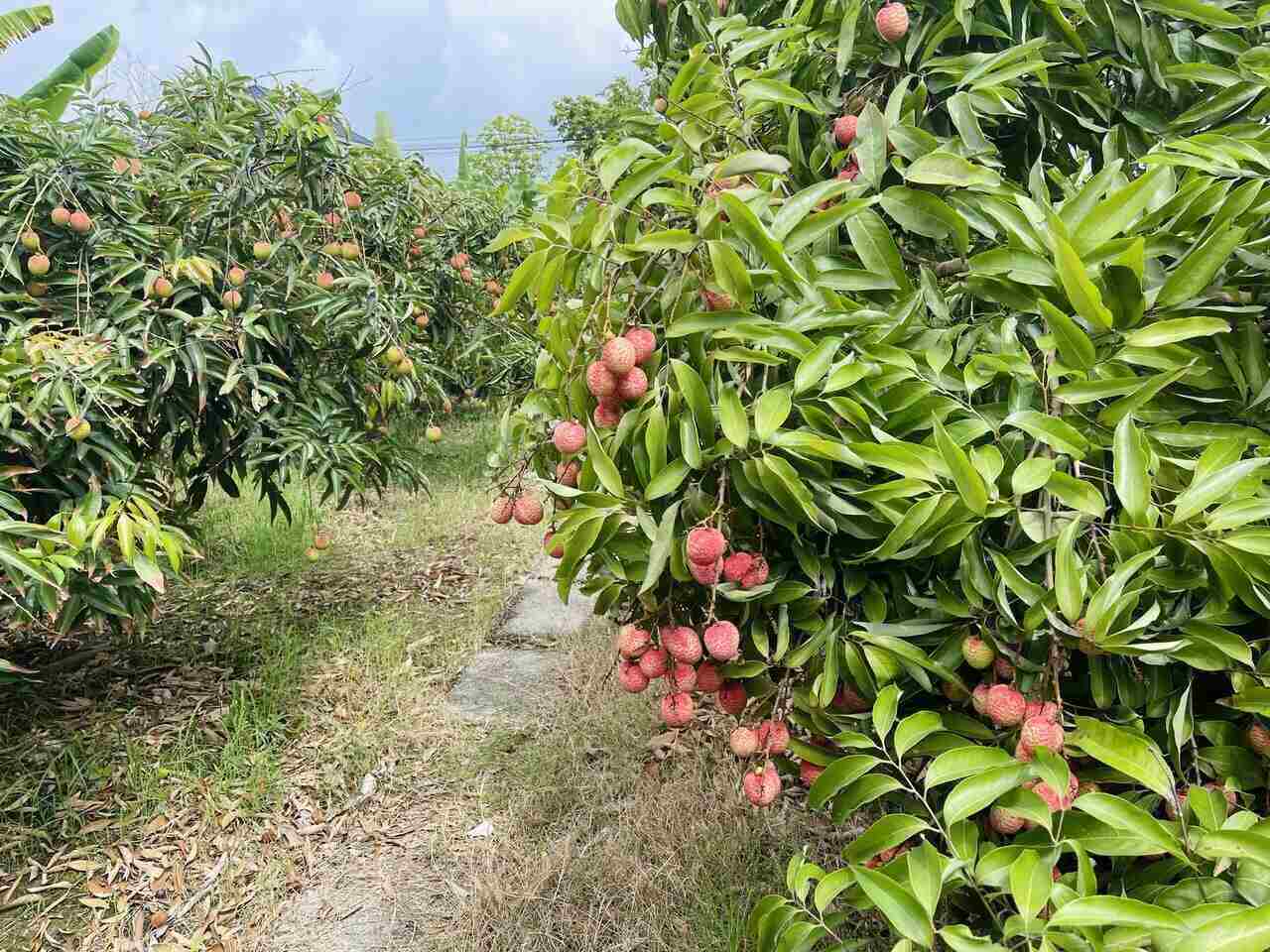
Not only Thanh Quang, many other communes in Thanh Ha are also in a bustling harvest atmosphere. This year, most of the fabric area was purchased by early traders at the garden at prices ranging from 25,000 - 35,000 VND/kg, sometimes up to 40,000 VND/kg. Many fabric regions have been granted growing area codes, facilitating exports to markets such as China, Japan, EU, etc.
The entire fabric area in Thanh Quang is produced according to the VietGAP process, of which 50 hectares meet GlobalGAP standards and 70 hectares meet VietGAP standards. Thanks to the support of local authorities and the agricultural sector in guiding care, fruit wrapping, and the use of organic fertilizers, many fabric areas have met safety and high quality standards. Cooperatives and enterprises also strengthen linkages with farmers to ensure product consumption and create stable output.