
In 2025, the seafood industry faces many challenges, increased input costs, increasingly strict trade barriers and the clear impact of climate change. However, the industry still strives to overcome difficulties, maintain growth momentum and achieve many positive results.
Sharing with Lao Dong reporters, representatives of the Department of Fisheries and Fisheries Resources Surveillance showed that the entire industry has completed and exceeded many important targets, contributing to the overall growth of the economy.
It is estimated that by the end of December 2025, the country's total seafood output will reach nearly 9.95 million tons, an increase of 3% compared to 2024 and exceeding the set plan.
In which, farming output continued to play a key role with more than 6.1 million tons, an increase of over 5%, while exploited output reached about 3.83 million tons, basically stable compared to the previous year.
Notably, seafood export turnover is estimated at over 11 billion USD, an increase of nearly 13% compared to 2024 and far exceeding the planned target.
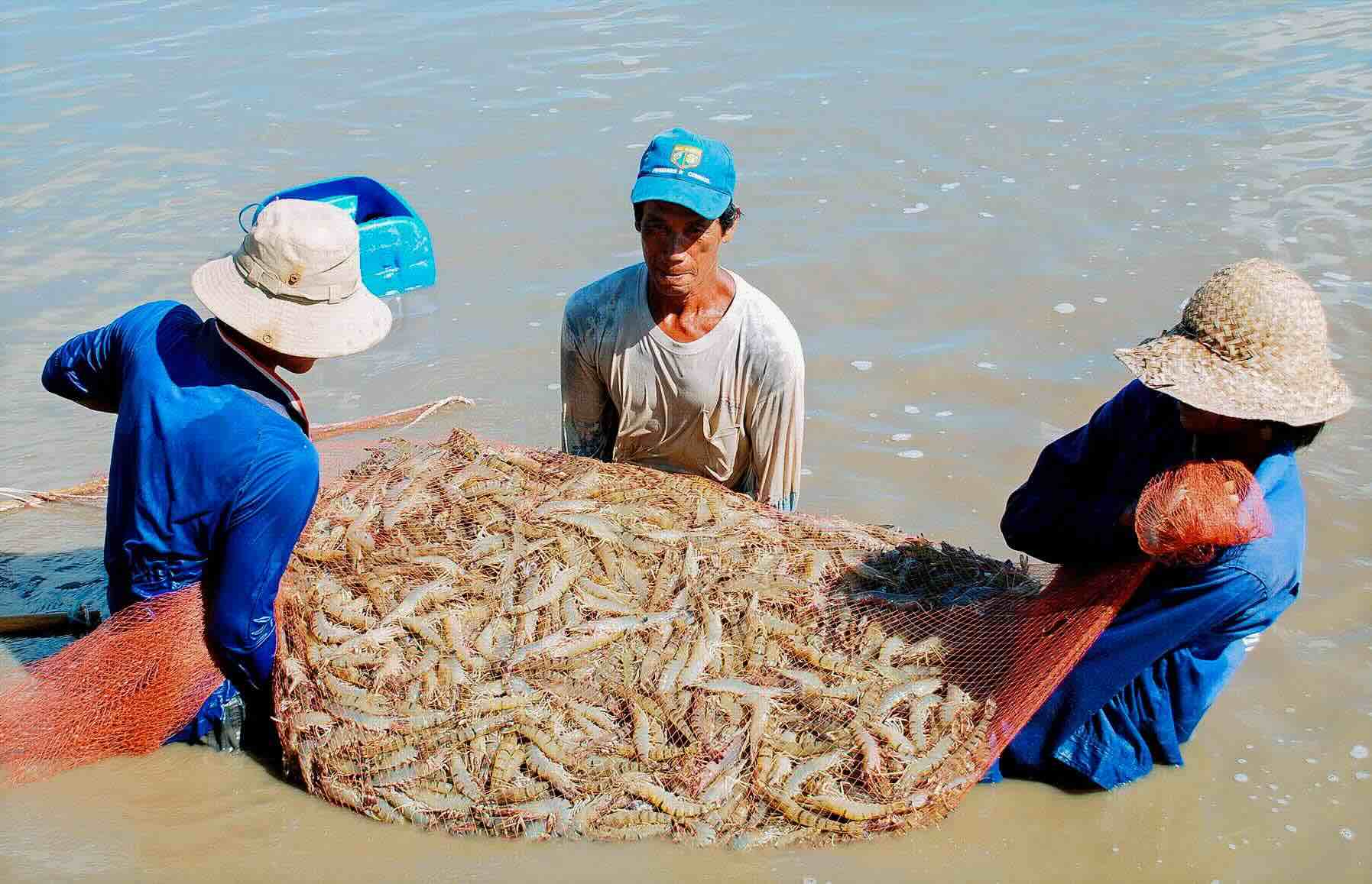
This result is thanks to the drastic direction of the Government, the Ministry of Agriculture and Environment, the involvement of localities, the business community and especially the efforts of millions of fishermen across the country to stick to the sea and ponds. New generation free trade agreements such as EVFTA, CPTPP, UKVFTA continue to be effective, helping Vietnamese seafood expand its market and improve its competitiveness.
In the field of aquaculture, 2025 recorded quite uniform growth. Freshwater and freshwater farming continued to be the pillar, with freshwater shrimp production reaching about 1.29 million tons, an increase of more than 6%; pangasius reached nearly 2 million tons, an increase of 7.5%.
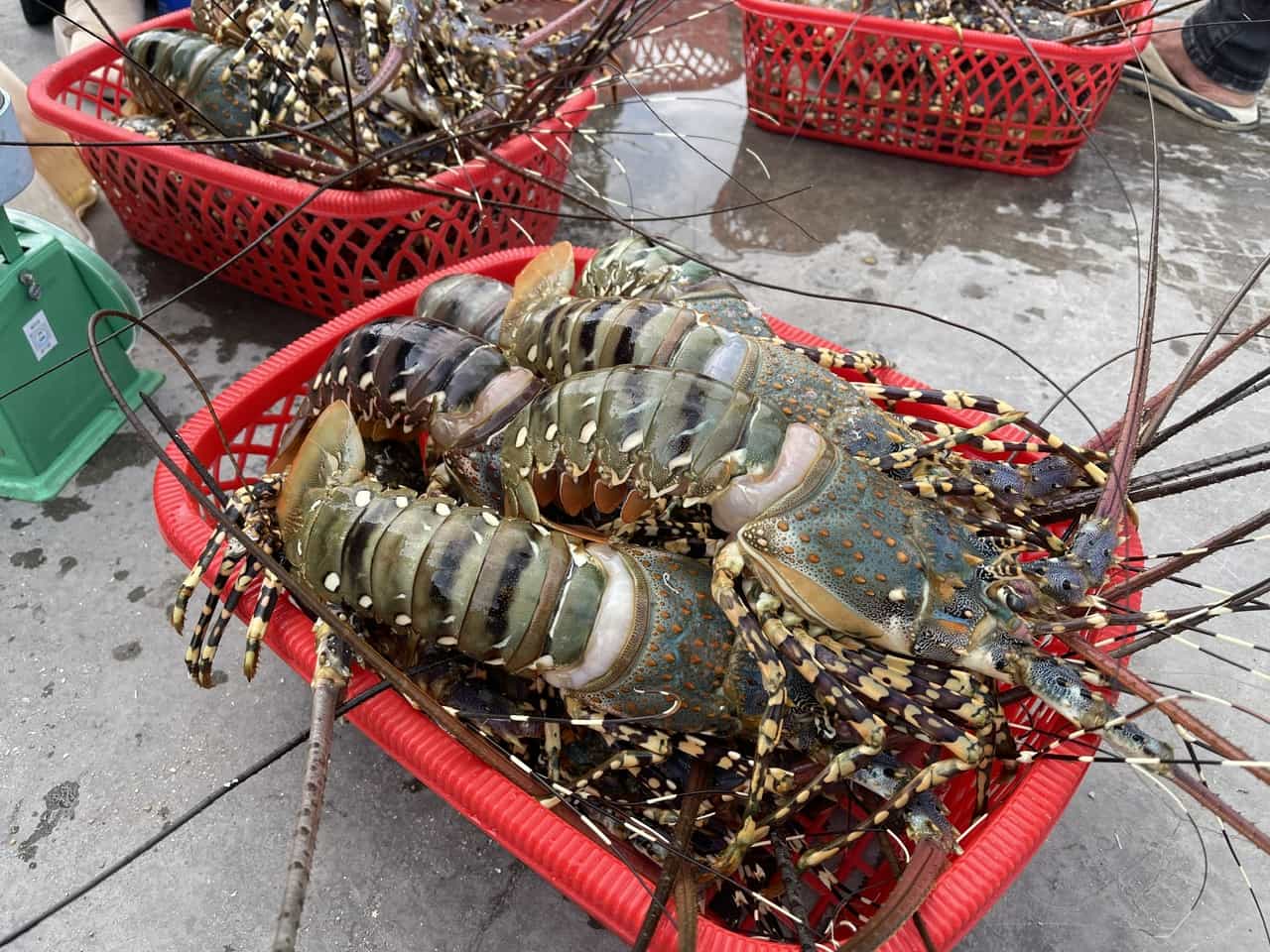
Sea farming also has made positive progress with nearly 9.8 million m3 of cages, output reaching over 859 thousand tons, an increase of nearly 9% compared to 2024. The expansion of area, diversification of farming objects, associated with the application of VietGAP, organic standards and traceability have contributed to improving product value.
However, the seafood industry also faces many difficulties. Prices of supplies, food, and logistics costs remain high, while consumption demand in some major markets shows signs of slowing down.
In addition, the European Commission's IUU "yellow card" is still a major barrier to seafood exploitation.
Last year, diseases in aquaculture, especially brackish water shrimp, continued to develop complicatedly. In 2025, the whole country recorded diseases in 289 communes in 18 provinces, with more than 7,000 hectares of farming affected.
Climate change, extreme weather, and storms and floods in the year have caused significant damage to many farming areas, forcing the industry to strengthen environmental monitoring and warning solutions and restore production after natural disasters.
In the field of exploitation, the industry continues to implement the policy of reducing exploitation force, restructuring fleets in a sustainable direction. The total number of fishing vessels nationwide decreased by more than 3,500 vessels compared to 2024. The management of fishing vessels, controlling output through ports, and certifying and certifying aquatic origins have been strengthened, gradually meeting the requirements of combating INN exploitation.
The fisheries surveillance force has organized dozens of patrols, strictly handling violations, and at the same time promoting propaganda and supporting fishermen to exploit safely and in accordance with the law.
A highlight in 2025 is the work of perfecting institutions and reforming administrative procedures. The Department of Fisheries and Fisheries Resources Surveillance has advised on amending and supplementing many important legal documents, proposing to cut more than 37% of business conditions and about 64% of administrative procedure compliance costs in the field of aquaculture. Digital transformation continues to be promoted, with 100% of documents processed on the network environment, deploying disease management and electronic traceability systems.
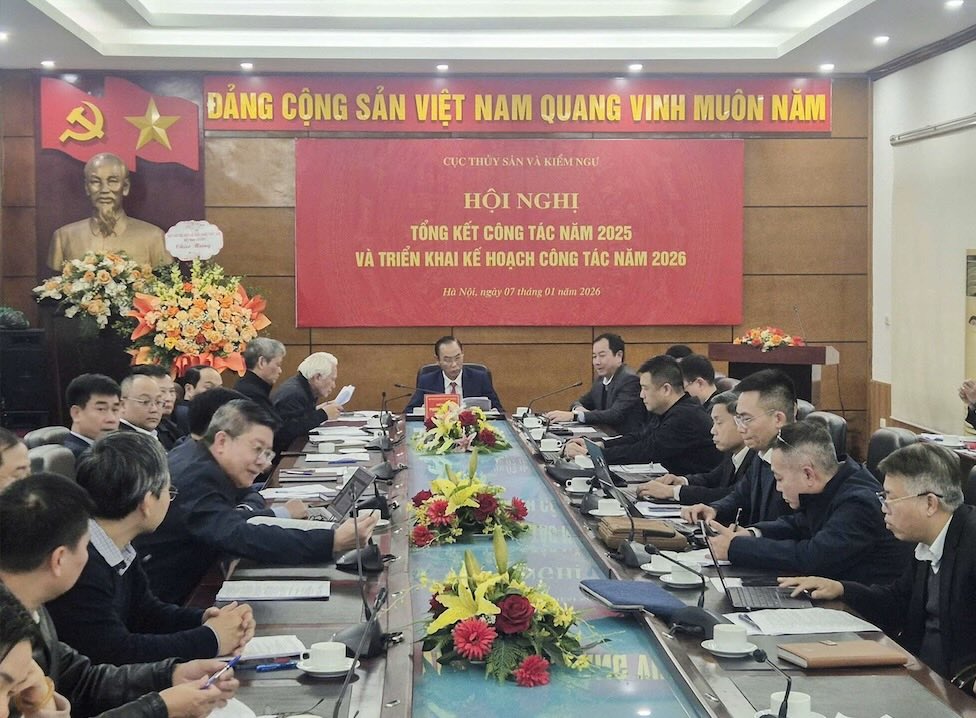
Stepping into 2026, the seafood industry determines to continue to strongly shift from the "production" mindset to the "seafood economy", from single-value growth to integrated multi-value. The focus is on reorganizing production in chains, developing industrial marine farming, improving the quality of breeds, reducing costs, increasing resilience to climate change, and at the same time drastically removing the "gold card" IUU.
With the foundation built in 2025, the seafood industry expects to continue to maintain its role as an important economic sector, making positive contributions to the growth and sustainable livelihoods of millions of coastal and rural workers.


