According to Lao Dong Newspaper reporters on December 1, in Ong village, Ne Nua, Muong Yen (Chieng Coi ward), the green coffee hills have turned brown on the tops and young leaves. The resettlement area at the end of the On village slope recorded widespread burnt leaves, showing signs of dryness and decreased growth.
Mr. Doan Xuan Thi, Vice Chairman of Chieng Coi Ward People's Committee, informed: "The severe cold from November 26 to now has affected about 10 hectares in Muong Yen, Ne Nua and Do villages, mainly young and dry leafy tops and branches".

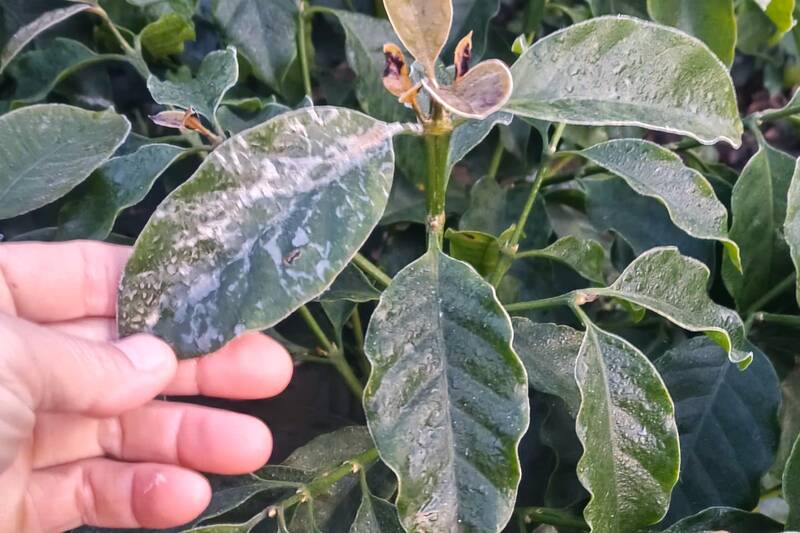
Mr. Quang Van Hung - a coffee grower in On village, said that last year, 6,000m2 of the garden was damaged by ice, and after being green, it has now continued to be affected by frost and salt, causing toops to drop. "The temperature drops like this, if it continues, it will be considered a broken crop" - he said.
Mr. Tong Van Cong, who owns 2 hectares of coffee in the village, has invested more than 100 million VND to build a fog-washing irrigation system for the leaves. However, he said: "Mild fog can be washed away, prolonged cold, thick salt fog is still helpless, there must be another way to protect".
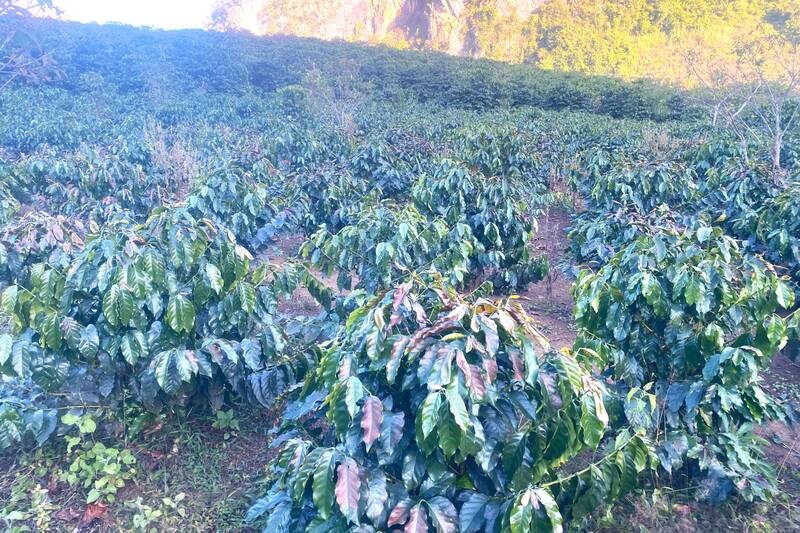
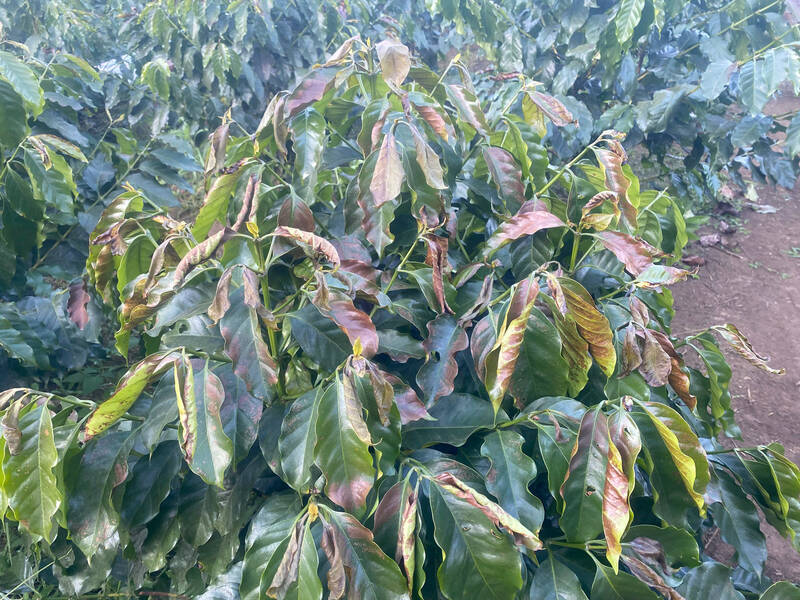
Directly surveying Muong Yen village, engineer Nguyen Huyen Trang, Son La Province Agricultural Technical Center, said that the frost and salt freeze cell tissue, making dark leaves and dry branches, and hindering flower germination.
To reduce damage, the engineer recommends: Closing tarpaulins in time, using grass and waste, original incubation products to keep warm; removing smoke from the wind to reduce cold shock. Where the water is proactive, you can water the fog in the early morning, before the sun rises to avoid leaf drop".
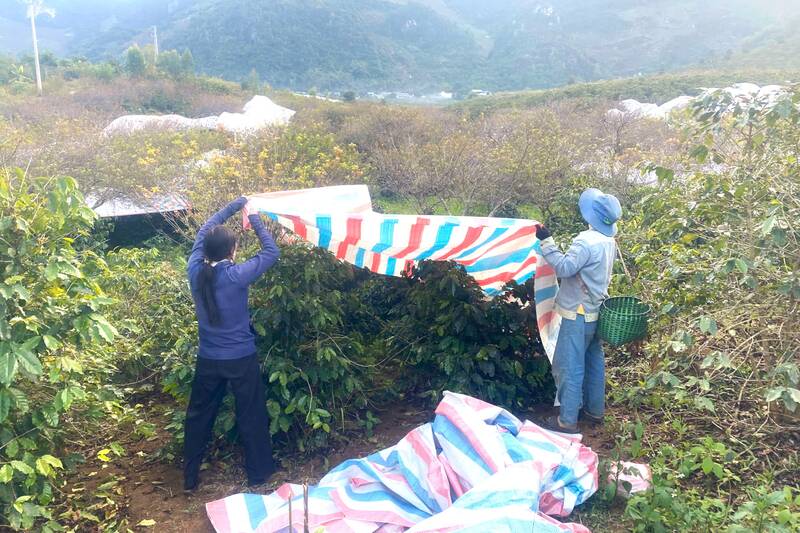
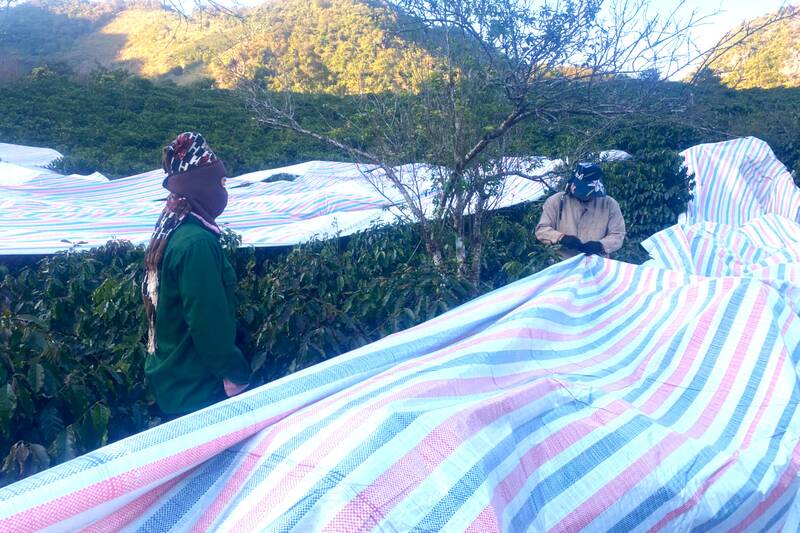
The whole province of Son La currently has about 24,300 hectares of coffee, mainly Arabica - a type of high value, with a wide consumption market, making the locality the largest coffee growing region in the North.
From 2017 to present, thousands of hectares of coffee in the area have been affected by frost and ice in winter; many areas have to be cut down or regenerated from the roots, taking 2-3 years for the harvest to return but the recovery rate is low.
Forecasts from the Northwest Hydrometeorological Center show that in December 2025, Son La may continue to experience frost and localized frost at an altitude of over 1,000m and low-lying areas when the night temperature drops below 10°C.
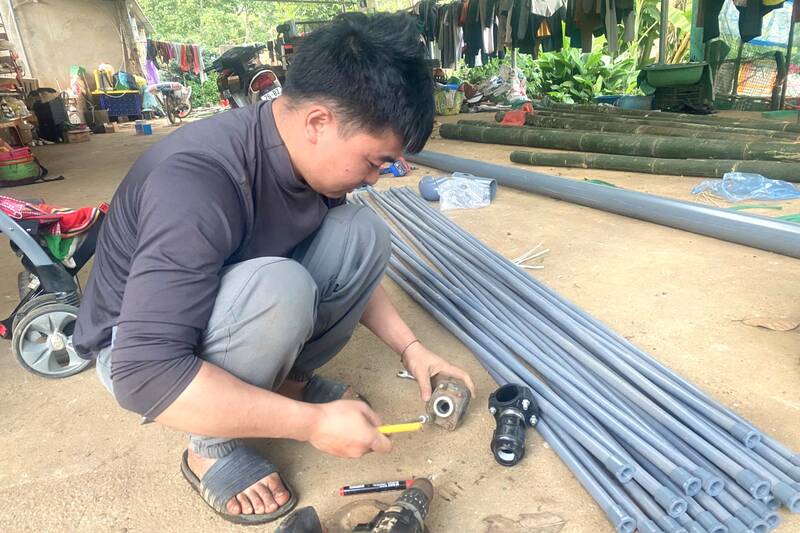
The provincial agricultural sector recommends that people should closely monitor weather developments, cover with nylon, tarpaulins, spray leaf washing water for coffee trees when frost or ice appears; immediately report to local authorities when crops are damaged.
Salt fog is one of the most serious weather phenomena that damages coffee trees, especially in the midlands - mountainous areas of the North and Central Highlands when the temperature drops.
Salt fog forms when the temperature drops, causing water vents to freeze on the surface of the leaves. The ice crystals break down cell tissue, causing the leaves to be scorched, dry and brittle, turning brown or black.
Son La has about 24,300 hectares of coffee (including the area being replanted and expanded...) - this is considered the largest coffee growing province in the North. The early appearance of frost and ice can affect the output and quality of coffee here.