
Putting the private economic sector in the right position
2025 marks a period of strong movement in Vietnam's economy, from arranging and streamlining the apparatus to removing a series of backlog projects that have lasted for many years.
Major policies have been strongly implemented, gradually forming a new operating state of the economy. From that foundation, expectations for double-digit growth in 2026 and the 2026-2030 period are being set more realistically.
Speaking at the Fchoice 2025 Honoring Ceremony and the workshop "The 2-digit economic growth momentum and investment opportunities in 2026" organized by the General Information Portal CafeF on January 13 in Hanoi, Assoc. Prof. Dr. Tran Dinh Thien - Member of the Prime Minister's Policy Advisory Council, former Director of the Vietnam Institute of Economics, said that the biggest turning point change of the current period is the identification of the private economic sector as the strongest growth engine of the economy.
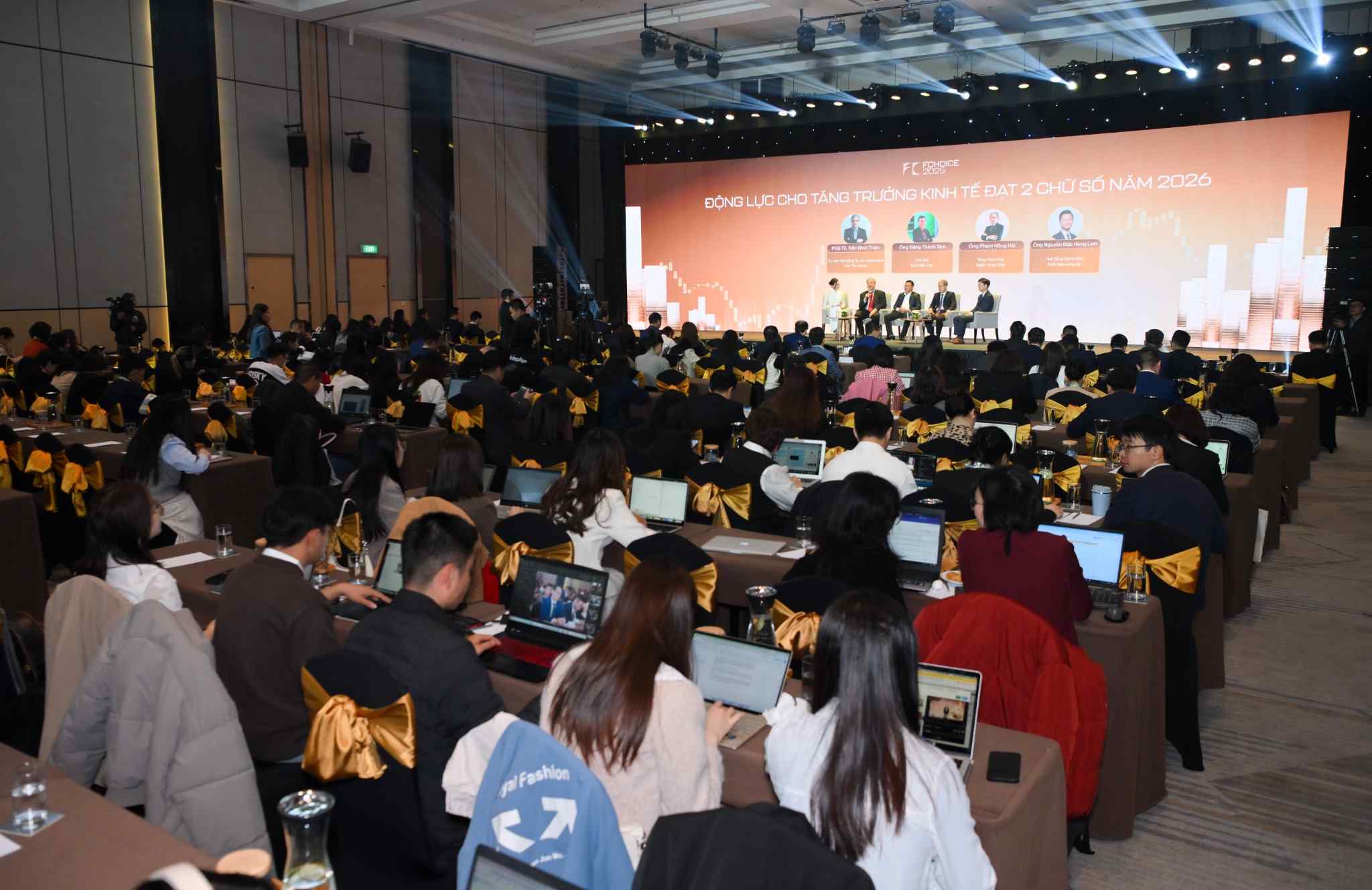
According to him, while in the world, this role is seen as obvious, in Vietnam, the process of recognition is prolonged and discrimination has existed. It will not be until 2025 that the private sector is truly placed in its inherent position – as the foundation, core and driving force of growth.
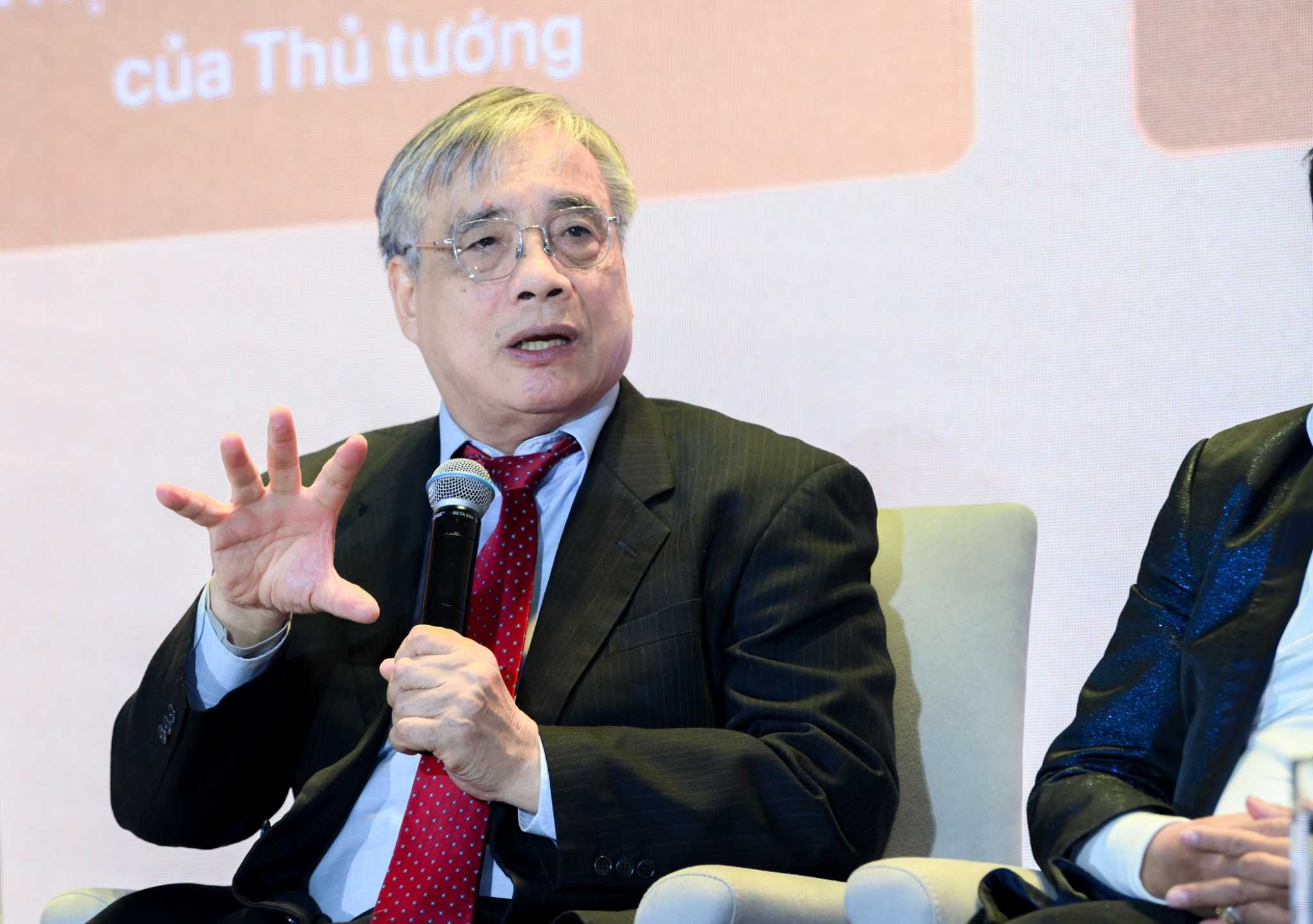
This change has created something extraordinary and more importantly, it has awakened faith in the future. I believe that the key point lies in Resolution 68, a document that has helped the private sector shift the entire economy towards development" - Mr. Tran Dinh Thien emphasized.
Along with that is a clear difference in the policy approach. According to him, for many years, the Party's resolutions have been very correct in terms of content, but the effectiveness and efficiency of implementation have not been commensurate. Vietnam has issued many resolutions on the private economy, science and technology or integration, but the practical impact is still limited.
The new point of the current phase lies in the implementation method. Instead of issuing separate, independent and unsynchronized resolutions, policies are being designed according to an overall thinking, according to "sets", according to "blocks" such as "sets of four", "sets of eight", in order to simultaneously handle systemic bottlenecks.
This is a comprehensive thinking, not only removing each individual issue but aiming to change the entire situation. I believe that this consistent premise, stemming from the thinking of removing obstacles, will help policies quickly go into life," said Assoc. Prof. Dr. Tran Dinh Thien.
From those movements, Vietnam's new growth model is gradually forming with clearer momentum. Mr. Tran Dinh Thien pointed out three key factors: The private sector is for the first time recognized as true to its role; science and technology is identified as the goal and tool of growth, becoming a fundamental production force; socio-economic infrastructure is deployed in a systematic approach, with priorities and close links. Although there are still points that cannot be completely satisfied, this is considered an important foundation of the new growth model.
A "new normal" state is forming in the banking system
In the banking sector, the "new normal" state is also gradually taking shape. Mr. Pham Hong Hai - General Director of Phuong Dong Commercial Joint Stock Bank (OCB) said that the mindset of "fast decision - fast deployment - clear responsibility" is increasingly being shown in banking operations.
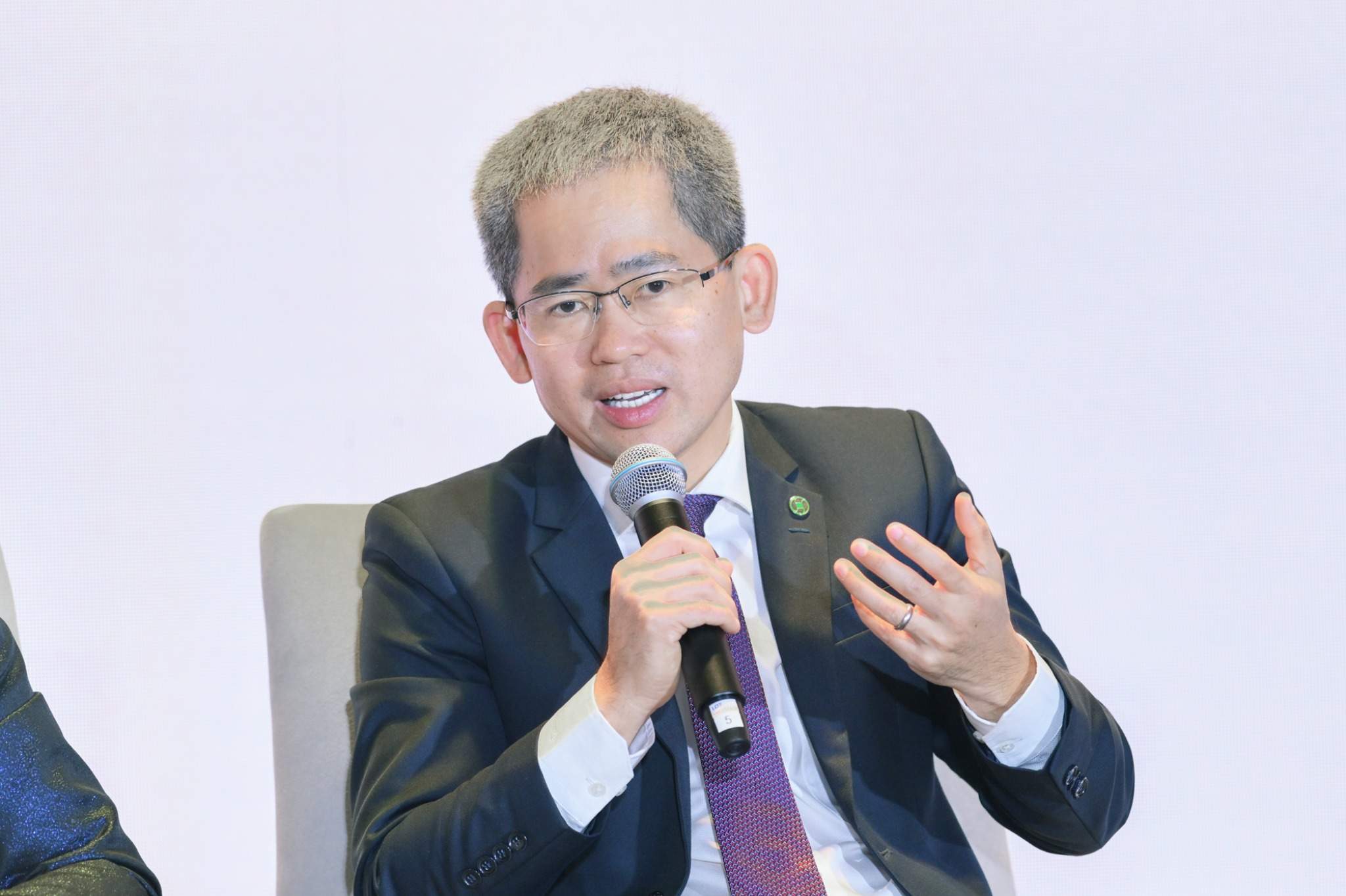
Mr. Hai cited that in the past, a new product could take 12-18 months to approve and deploy, while each process change must go through many levels. Currently, the "new normal" state is formed through strong decentralization to the executive board and specialized councils, combined with a rapid pilot mechanism, early measurement and flexible adjustment.
New working methods are becoming increasingly popular, allowing teams to be empowered, move towards common goals and accept "test and error". This approach helps organizations achieve faster and more flexible results in a volatile market context.
Another notable change is the promotion of lending based on cash flow. In the world, this is a common practice, but in Vietnam before, the first question banks asked businesses often revolved around collateral. With new thinking, the form of lending based on cash flow has helped many startups and young businesses access capital sources, thereby expanding the growth space for the dynamic economic sector.
In addition, green credit is being seen not only as a social responsibility but also as a real business opportunity for the banking industry, especially in the fields of green agriculture and renewable energy. Practice shows that green credit contributes to creating a stable, safe and less volatile growth foundation for the banking system.
Overall, from the private sector, macroeconomic policies to the banking system, factors once considered "extraordinary" are gradually becoming new operating standards. This "new normal" state, if maintained and effectively implemented, will create an important foundation for Vietnam's economy to enter a period of high and sustainable growth in the coming years.


