
Previously, old pineapple leaves in Hoa Luu commune (Can Tho City), after each harvest, were often cut, burned or dumped into canals, which was both laborious and polluted. Now, these seemingly worthless leaves have been "transformed" into pineapple fibers - a green material for the textile industry, bringing stable income to farmers and contributing to the formation of an environmentally friendly circular agricultural chain.
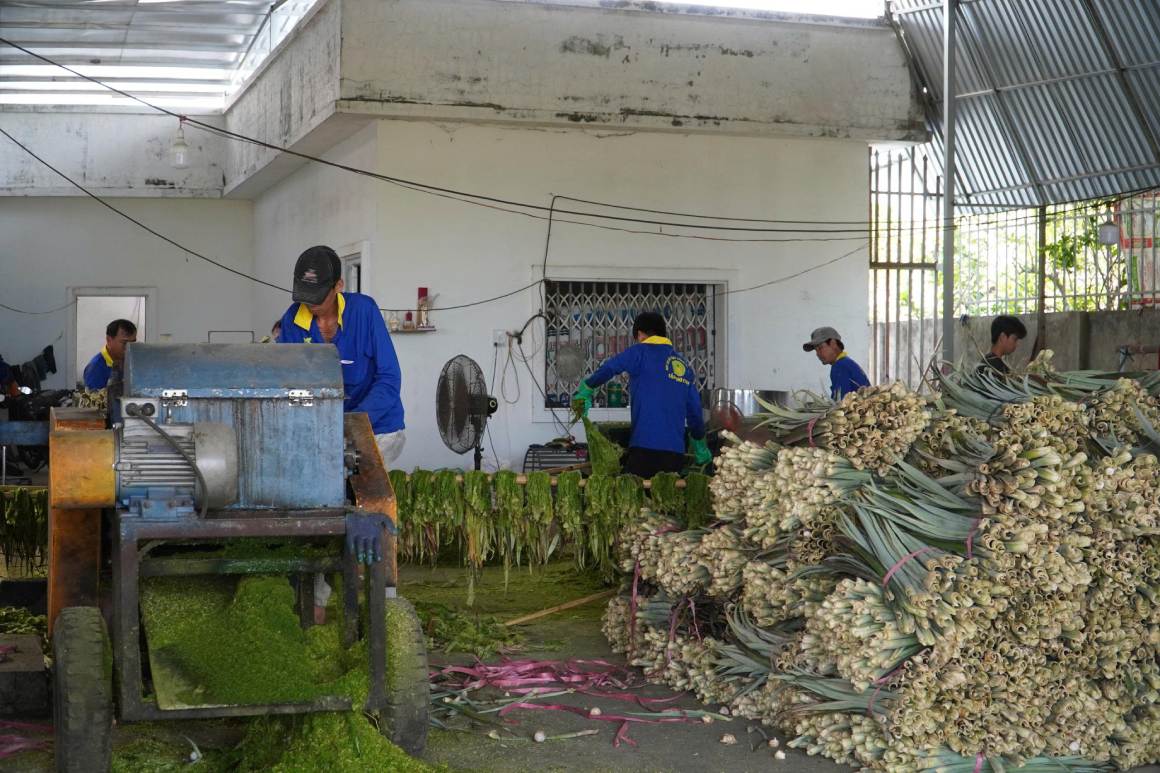
Mr. Pham Van Nuong - Manager of Can Tho Farm Cooperative said that from the past until now, destroying pineapple gardens is a very hard job, both costly and harmful to the environment. When he learned that the textile and garment industry had a need for fiber from pineapple leaves, he took advantage of this by-product to create new value.
According to Mr. Nuong, this idea evokes the traditional way of doing things of ancestors: soaking pineapple leaves in ditches to pick up fibers to mend clothes. Today, thanks to technology, fiber separation is carried out faster, cleaner and more efficiently.
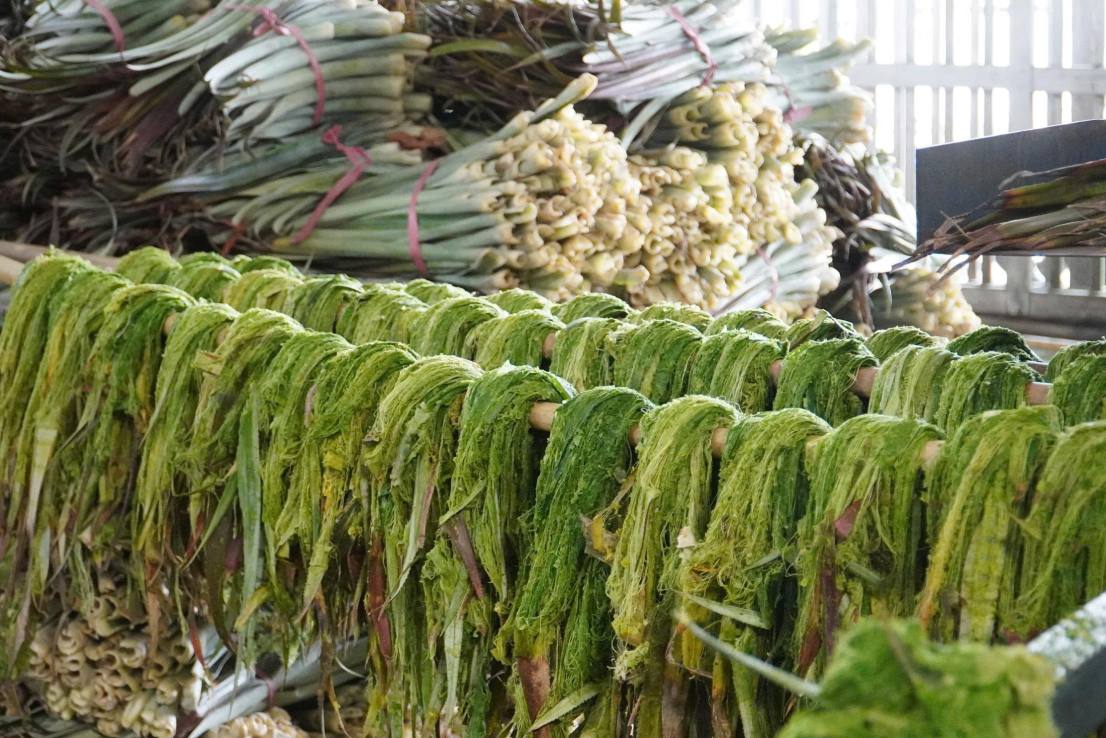
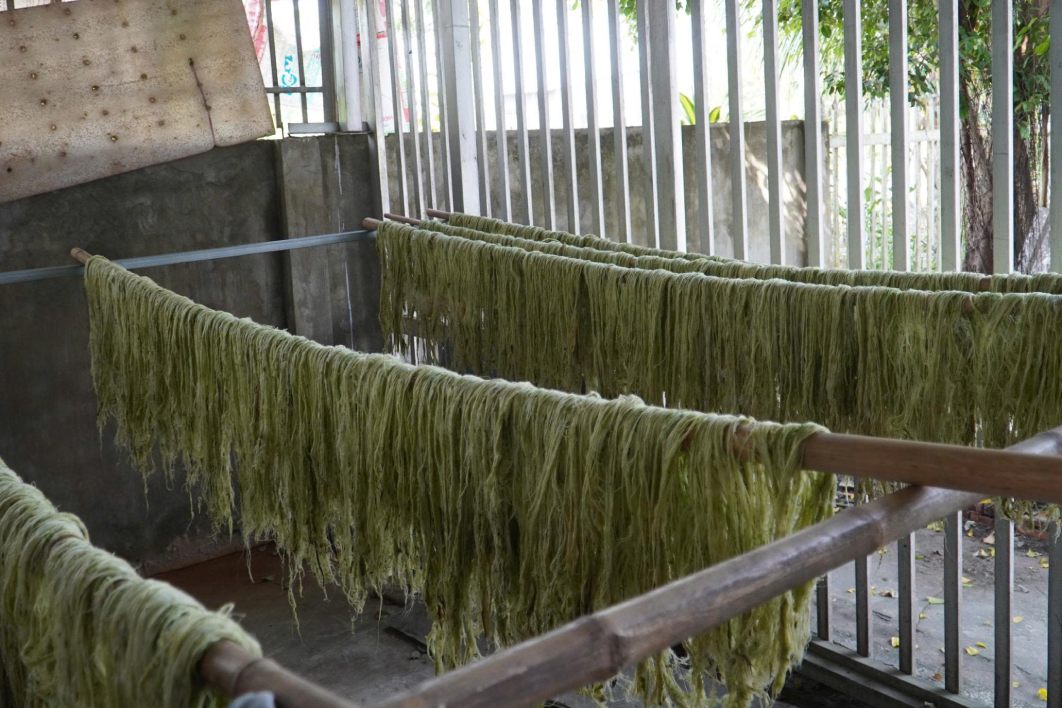
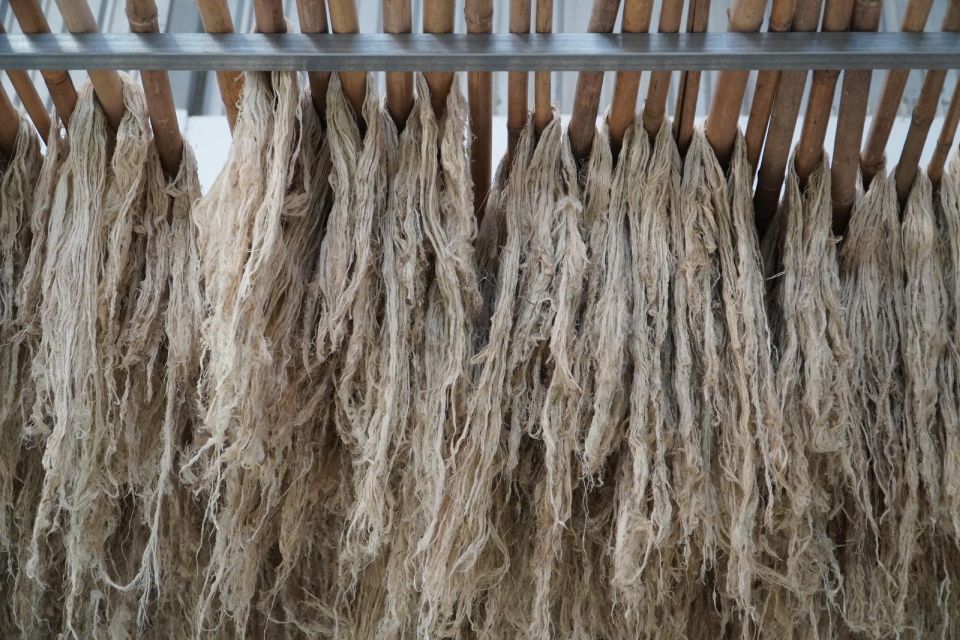
To have quality fibers, the cooperative pays special attention to the stage of selecting raw materials. Leaves must be old, 45 cm long or longer. After collection, leaves go through many stages: pressing, washing fibers, cutting off sticky parts, washing, washing clean, centrifuge drying, drying and packaging.
To have good fibers, it must start from standard leaves. With long and beautiful leaves, each pineapple bush can yield more than 1 kg of leaves. On average, one collection batch yields 1.5 - 2 tons of leaves," Mr. Nuong said.
In particular, the Cau Duc pineapple variety, grown for a long time in Hoa Luu, gives tougher and firmer fibers than the MD2 variety. The pineapple fibers are then woven into clothes, bags, and rough fabrics, which are increasingly favored by the market.
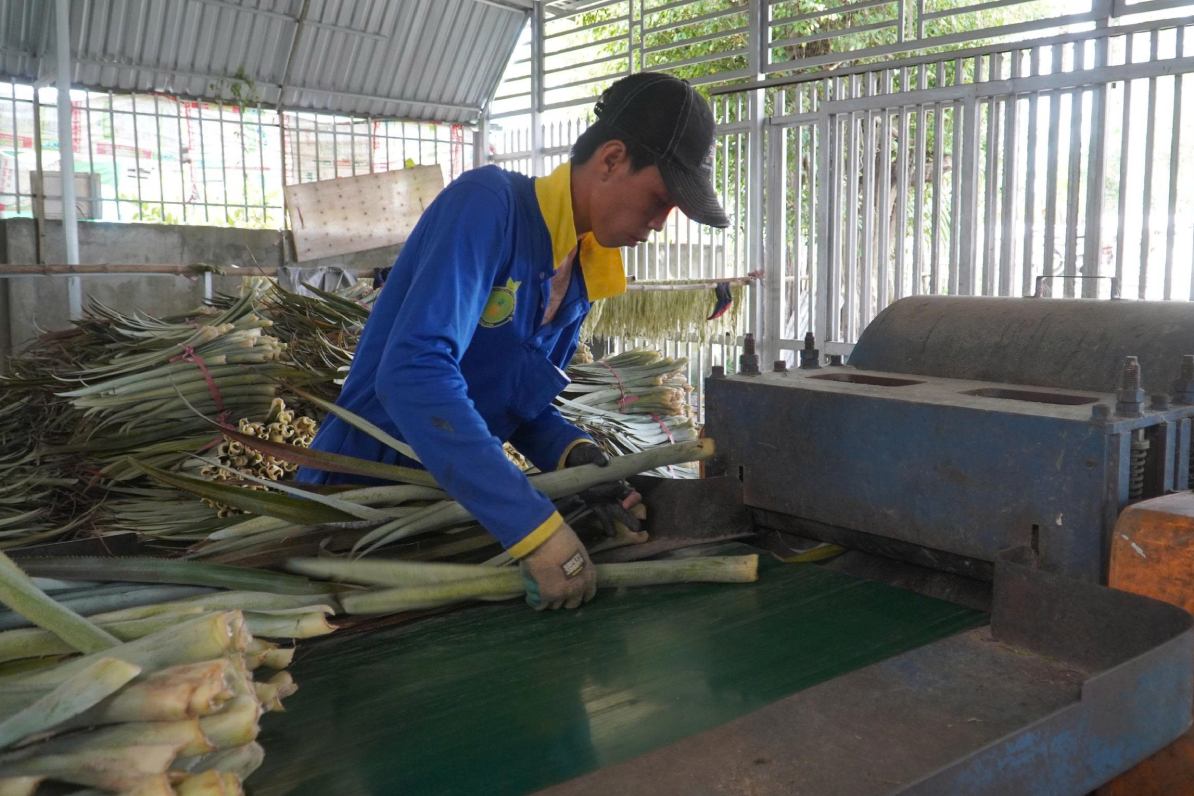
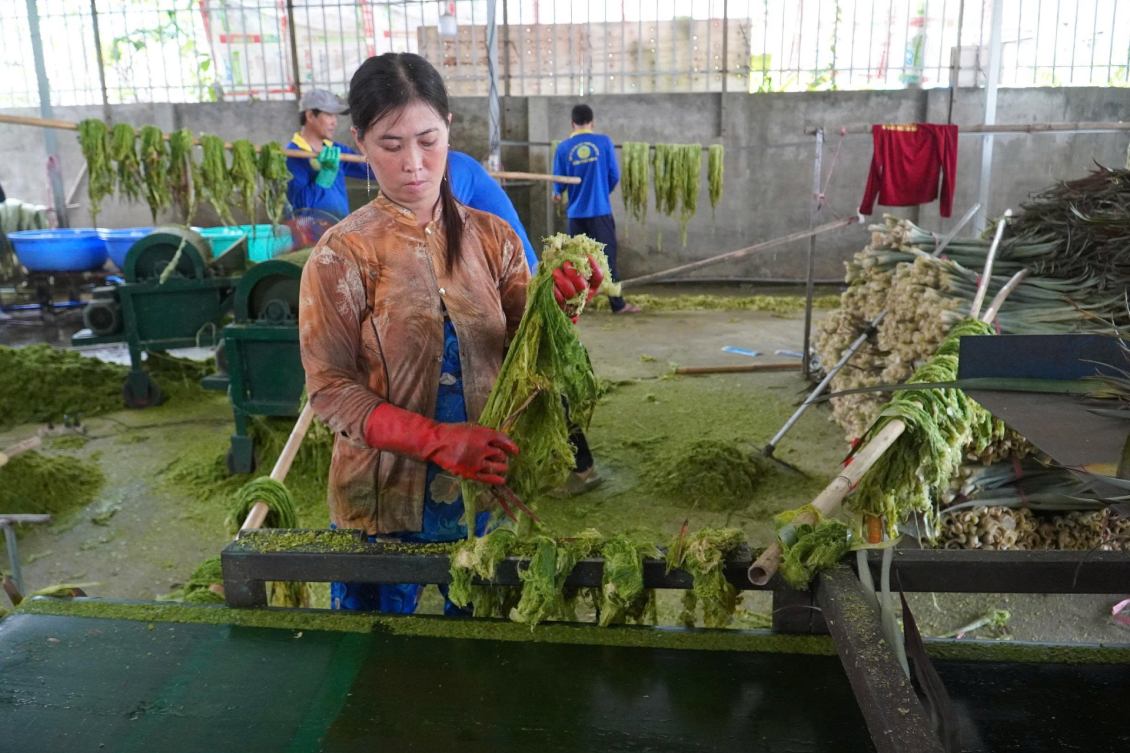
Ms. Nguyen Thi Hoai, a factory worker, shared that the older the leaves, the more fibers are collected. Pineapple fibers are suitable for many textile and garment product lines.
Not only bringing profits, the model also creates a stable job chain. The cooperative has nearly 10 regular workers, earning about 7.5 million VND/month. Seasonal workers in the sun, working to cut and bundle leaves, each person can earn 300,000 VND/day.
It is noteworthy that the leaf pulp after spinning is not discarded. It is composted by microorganisms, raising earthworms as food for fish and eels; earthworm manure is fertilized for plants, creating a closed circulatory cycle, both economical and environmentally friendly.
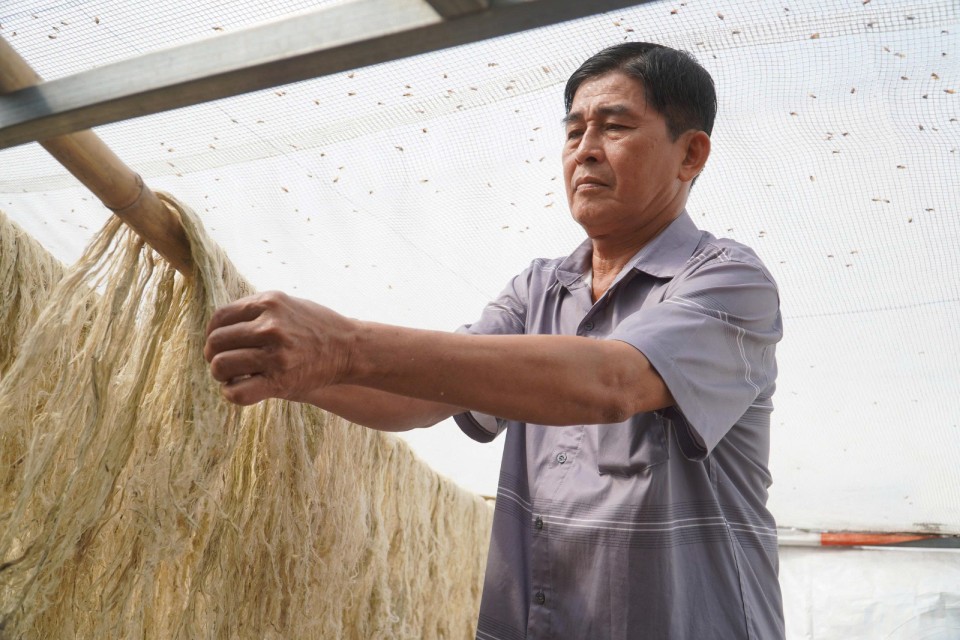
According to Mr. Vo Tu Phuong - Standing Vice Chairman of Hoa Luu Commune People's Committee, this model brings clear efficiency. Previously, pineapple leaves after harvest were discarded, costing land destruction and environmental impact. Now, Can Tho Farm Cooperative buys pineapple leaves to process yarn, both reducing pollution and increasing income for farmers, towards a green and sustainable agriculture.
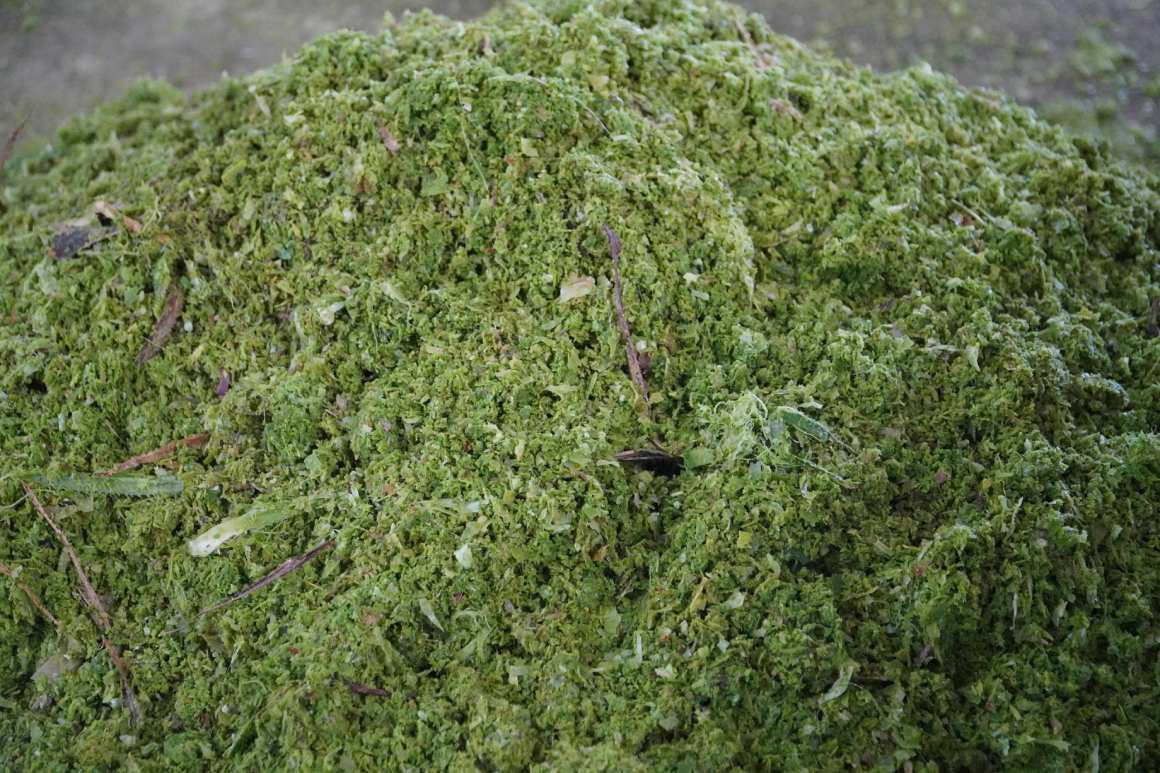
Currently, the cooperative buys pineapple leaves at a stable price of 1,000 VND/kg, with a consumption capacity of about 2.2 - 2.5 tons/day, contributing to solving a large amount of by-products in the locality. Pineapple leaves are no longer "agricultural waste", but have become "green gold" in the environmentally friendly production chain.


