
In Huoi Ai village, Sop Cop commune, Mr. Vang A Tinh has been associated with high-yield cassava trees since 2020, maintaining an area of 4-6 hectares with BK and KM98-7 varieties.
This year, the family plants 6 hectares, expected to harvest nearly 120 tons of fresh tubers; if the price remains at 1,300–2,000 VND/kg, the income can reach about 200 million VND," Mr. Tinh excitedly said.
Not only Mr. Tinh's family, many households in the highlands of Son La consider cassava a key crop on steep land thanks to its easy planting, few pests and diseases, low cost and not much care.
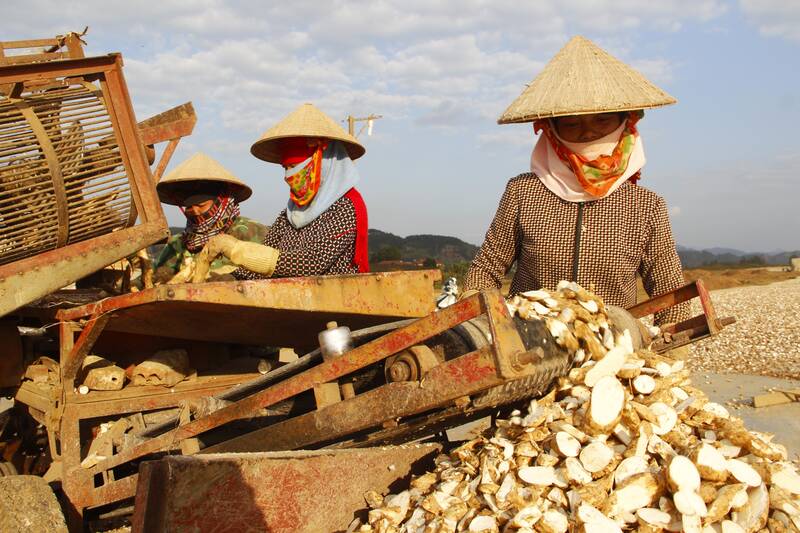
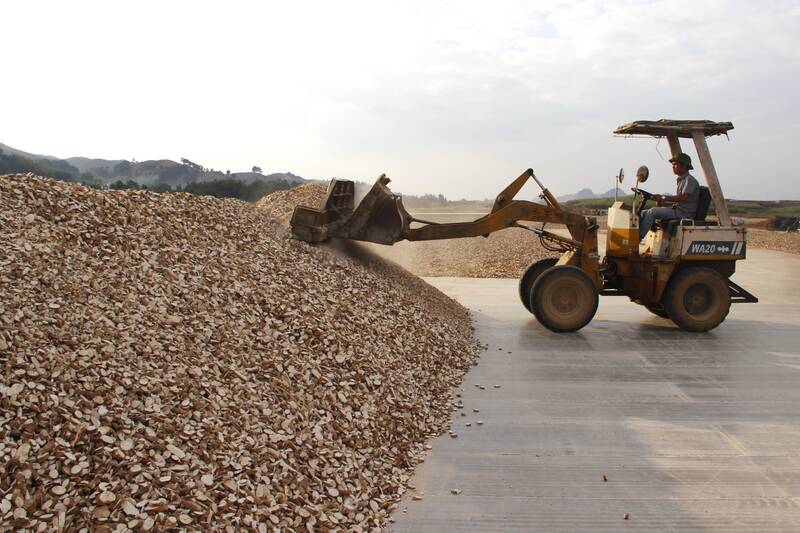
In Chieng Mung commune, about 200 households grow over 200 hectares of cassava, mainly KM94 variety. Mr. Hoang Van Chanh's family, Lau village, grows 2 hectares, each year harvesting over 60 tons of fresh tubers, earning an income of about 100 million VND.
Compared to growing corn and upland rice, cassava gives clearer economic efficiency," Mr. Chanh shared.
Pung Banh commune alone currently has more than 1,370 hectares of high-yield cassava, with an output of 20,000–25,000 tons/year, and an average income of 40–50 million VND/ha.
Mr. Vi Van Dinh, Vice Chairman of Pung Banh Commune People's Committee, said: "The locality orients the development of cassava on sloping, ineffective fields, associated with technical training to improve productivity and quality.
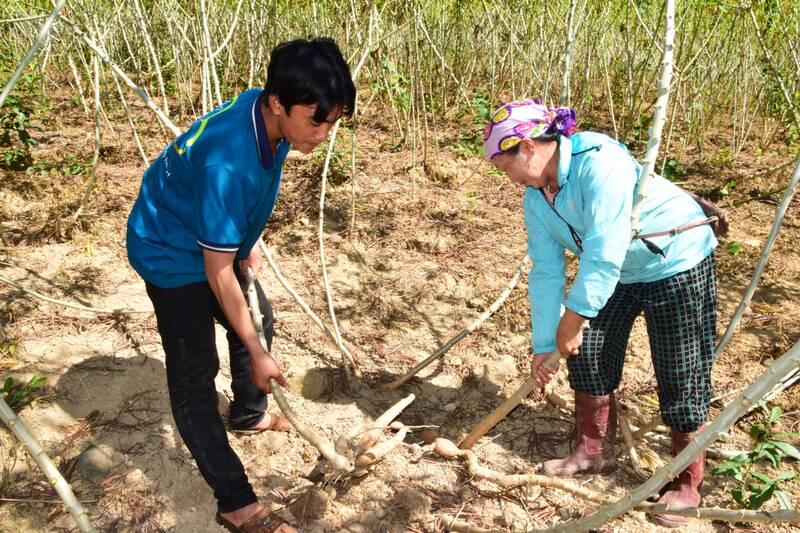
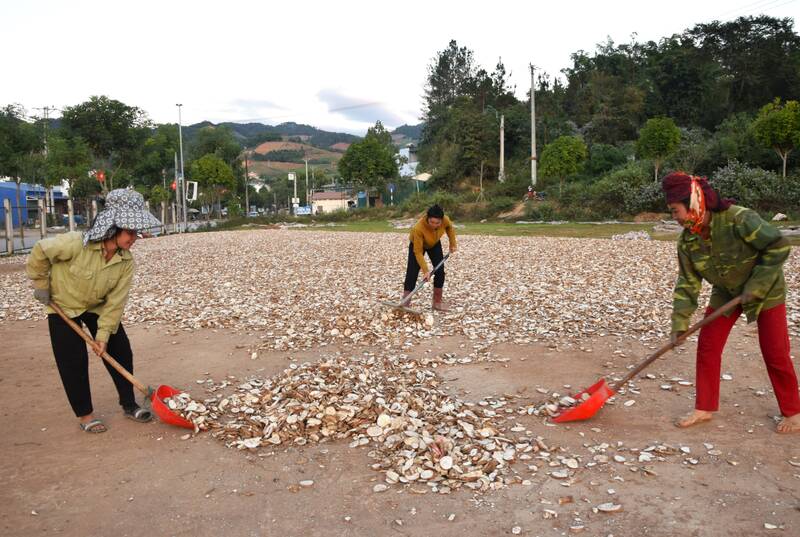
According to the agricultural sector of Son La province, the whole province currently has more than 44,170 hectares of high-yield cassava, with a production of over 538,000 tons of fresh tubers per year. Cassava is becoming the main crop on low-lying and steep land with ineffectiveness.
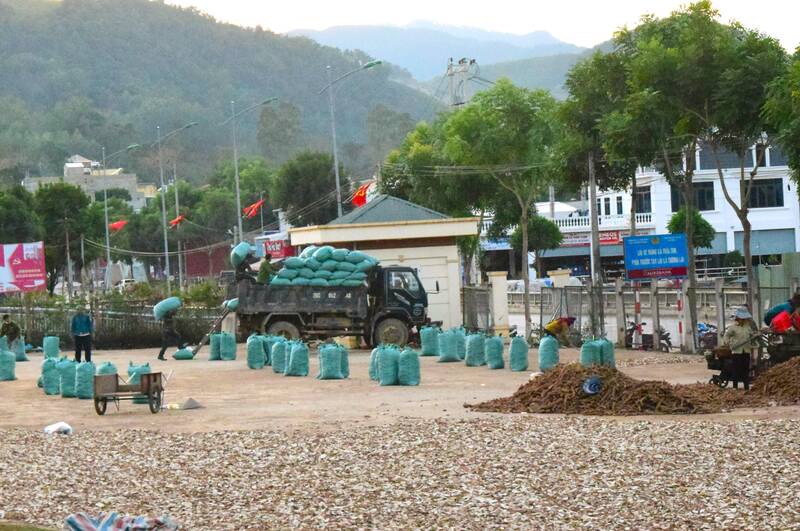
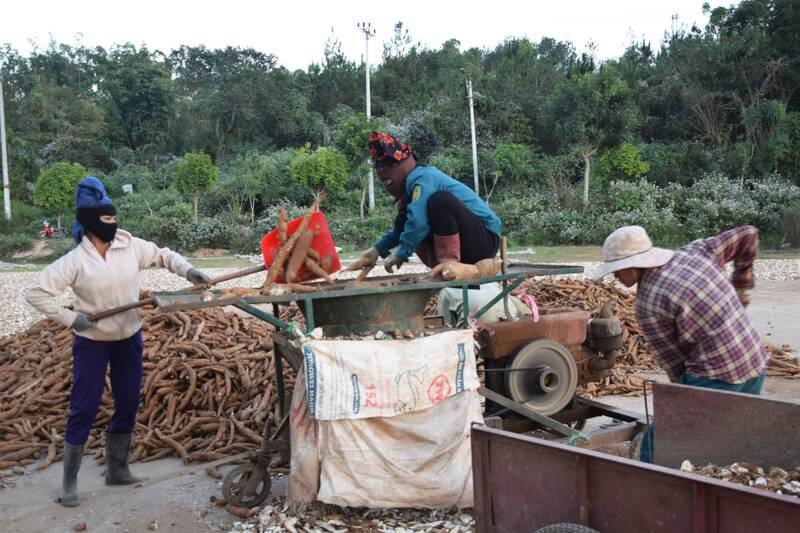
In addition to selling fresh tubers, many households pre-process dried cassava slices for domestic consumption and export to Thailand and China, contributing to increasing product value.
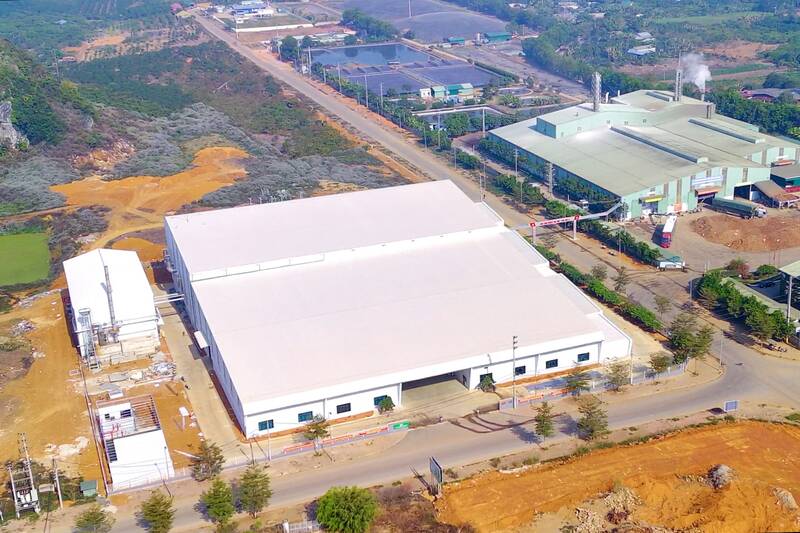
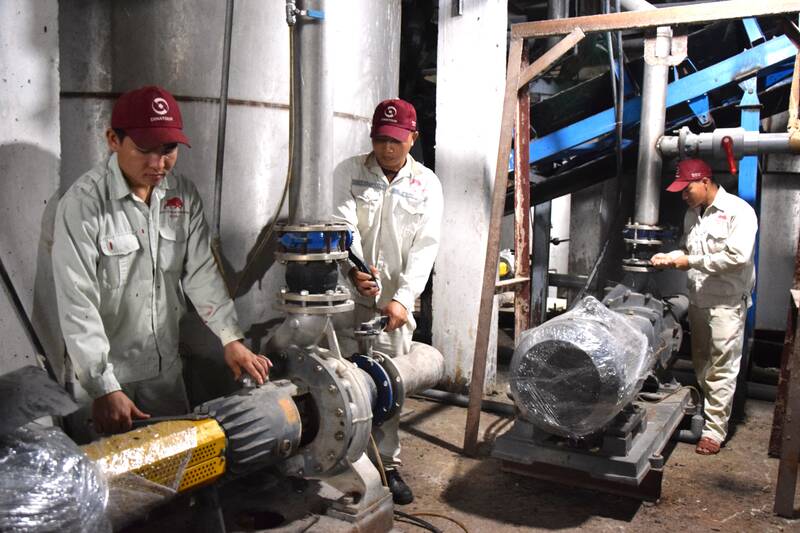
Currently, Son La Cassava Starch Factory and BHL Agricultural Product Processing Factory each purchase over 220,000 tons of fresh cassava tubers each year, accounting for more than 40% of the province's total output, contributing to stabilizing output.
The BHL factory in Chieng Mung commune has a capacity of 90,000 tons/year, creating jobs for more than 100 workers and over 2,000 cassava growing households.
In early January 2026, Son La's modified cassava starch was exported to China, with a value 1.3–1.7 times higher than ordinary products," Mr. Vu Hung Binh - General Director of Son La BHL Group informed.
Reality shows that high-yield cassava is bringing sustainable livelihoods to people in the highlands of Son La. However, localities recommend not to expand the area massively, and proactively monitor the market to limit risks.
In the days leading up to Tet, the joy of the harvest season is evident on the cassava fields, contributing to bringing a warm and prosperous spring to the highland villages.


