
Regarding information that Can Tho City still has about 4,000 tons of eels, Ms. Nguyen Thi Thuy Lam - Deputy Head of the Sub-Department of Fisheries and Fisheries Surveillance (Department of Agriculture and Environment of Can Tho City) - informed that through actual review from communes and wards, it is currently recorded that about 1,600 tons of eels from 372 households have reached harvest time but have not been consumed.
Besides, 44 households are currently raising eels with sizes from 50 - 100 fish/kg, not yet ready for harvest.
According to Ms. Lam, some localities are still continuing to update information about farming households, while the basic inventory has been determined.
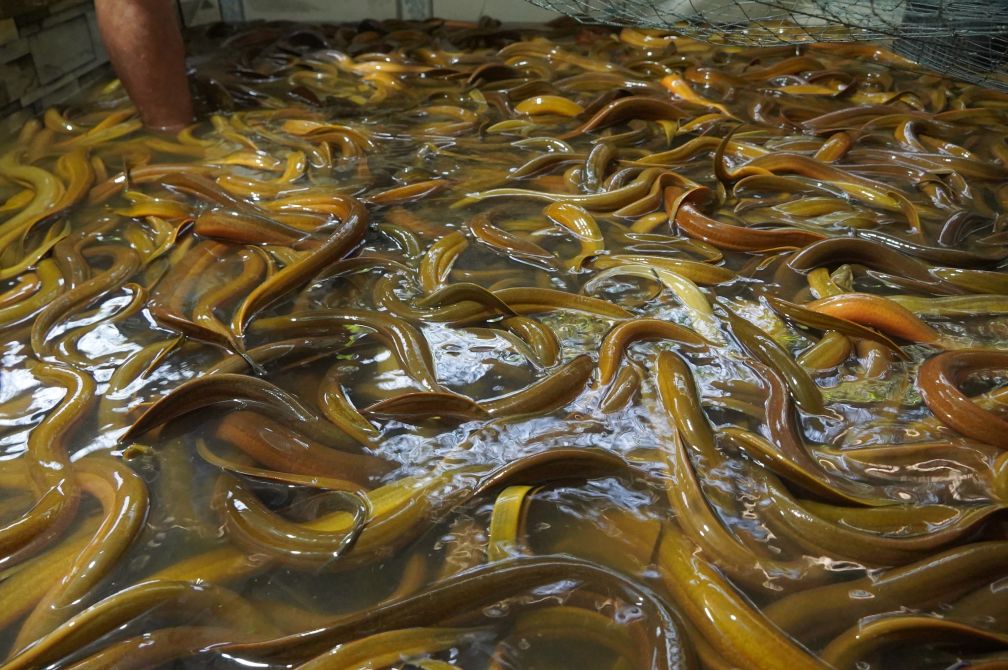
Statistics from localities show that the whole city currently has about 50,270 m2 of eel farming area, mainly in the form of mudless and earthen ponds. However, the eel consumption market has recently faced many difficulties. The selling price of commercial eels fluctuates depending on size, area and purchasing unit.
According to the assessment of the Sub-Department of Fisheries and Fisheries Resources Surveillance, eel farming in the area mainly develops spontaneously. People take advantage of small areas around houses and garden land for farming, leading to small-scale, scattered production, and no concentrated farming area formed associated with production and consumption plans.
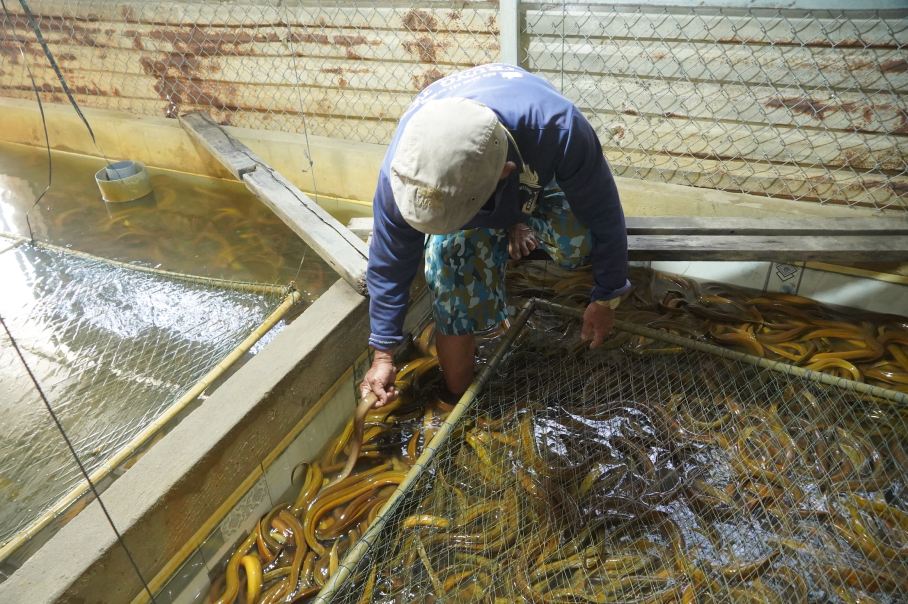
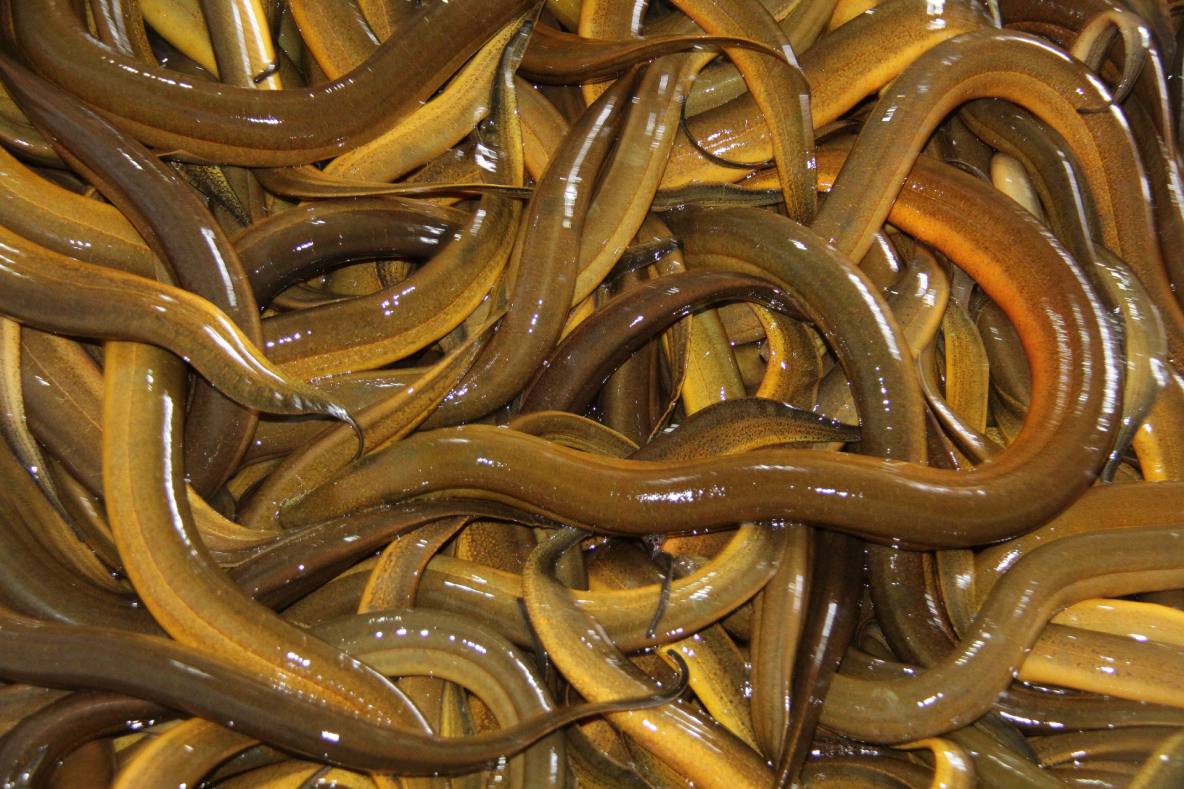
Lack of development planning causes the number of farming households to increase rapidly in a short time, and at the same time causes difficulties for statistics, production monitoring, supply and demand forecasting as well as organizing consumption linkages when the market fluctuates.
Faced with the situation of commercial eel stockpiling in many localities, the Sub-Department of Fisheries and Fisheries Resources Surveillance requests localities to urgently review and accurately update output, size and harvest time to serve management and consumption connection. At the same time, strengthen links with distribution systems, wholesale markets, collective kitchens and purchasing points to promote consumption, especially in areas with large inventory.
Specialized sectors also guide farmers to classify eels, organize harvests in batches, and avoid mass concentrations on the market, causing price pressure. For unconsumed quantities, it is necessary to apply conservative care measures to reduce costs. Localities are advised not to expand farming massively when the market is not stable.
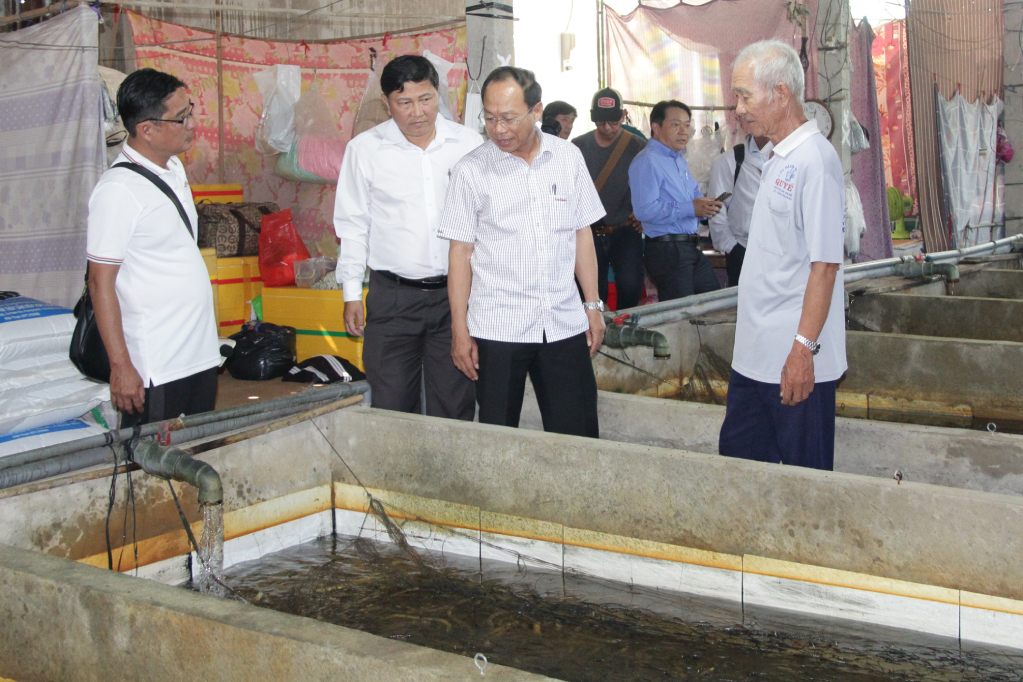
In the long term, reorganize production in the direction of strict management from the beginning of the season, issue farming codes and update data to forecast supply and demand. At the same time, encourage regional development, increase cooperative linkages, and apply safe and environmentally friendly farming techniques according to VietGAP and GlobalGAP standards.
In addition, the development of a linkage chain from breeding - farming - processing - consumption is identified as a key solution. In parallel, it is necessary to expand markets and diversify products such as pre-processed, frozen, and seasoned eels... to reduce dependence on fresh consumption.
Previously, on April 22, Mr. Nguyen Van Su - Chairman of the Can Tho City Farmers' Association - inspected the actual situation of eel farming and consumption by people in Vi Thuy commune, one of the areas that has developed eel farming rapidly in recent years. Mr. Tran Van Tay - Chairman of the Vi Thuy Commune Farmers' Association - said that the locality currently has about 150 eel farming households, with about 900 tons of eels in stock, not yet consumed. The main reason is that eel prices have decreased, traders are slow to purchase, along with some households keeping goods waiting for prices to rise, so the inventory is even larger.


