
For more than a decade, consumer technology has often progressed in small steps, with familiar repeated upgrades of speed, battery or design. Users are gradually getting used to changing devices every year and rarely feel their lives are truly disrupted.
However, the context is moving faster than ever as artificial intelligence is developing at an unprecedented pace. What was once considered experimental is now ready to be widely used, creeping into every human living moment.
The difference of the new technology wave is not in the strength of hardware but in the ability to communicate, adapt and be present. Machines are no longer just a command-response tool, but are gradually becoming objects of dialogue, support, and even companionship. Large technology companies and startups all bet that familiarity and natural feeling will determine the level of user acceptance in the coming years.
All these trends converge in 2026, signaling an era where technology not only helps people work more efficiently, but also shapes how they talk, move and feel about the world around them.
Spoken machines
In the past 15 years, Apple, Google and Amazon have placed high expectations on voice assistants such as Siri, Google Assistant or Alexa, with the belief that people will often chat with computers to complete work. Reality is more modest. Most users only ask these assistants to check the weather, turn on music or set timers in the kitchen. Talking to machines in public is still rare and somewhat embarrassing.
The rapid emergence and popularity of artificial intelligence chatbots such as ChatGPT, Gemini or Claude is changing that picture. Millions of people have become accustomed to text dialogue with these systems, seeing them as conversation partners rather than search engines. As AI voices become more and more human-like, the psychological barrier to voice chat is likely to decrease significantly.
According to Lucas Hansen, founder of CivAI, many people have started talking to AI not only to find information but to maintain a conversation. When wearing headphones and chatting like calling, this behavior becomes less noticeable to those around them. This opens up the possibility that AI will appear in public spaces more naturally.
However, the voice of today's chatbots still has artificial features and companies are still perfecting it to create more convincing sounds, rhythms and emotions. Sesame AI startup has made significant progress in developing AI voice with a close tone, helping the interactive experience become more lively. In 2026, speaking machines will not only perform commands, but gradually step into the role of dialogue, reflecting the greater ambition of artificial intelligence in integrating into human social life.
The search for a successor to the smartphone era
Smartphones have become inseparable objects for most people in modern life, but the annual upgrade cycle is increasingly similar, with familiar improvements. The acceleration of artificial intelligence has created conditions for technology companies to test new devices with the hope of becoming the next personal computing platform. Among them, smart glasses are being highly anticipated.
Meta Ray-Ban glasses, which allow photography and music listening, have achieved certain success with millions of products sold. Meta continues to promote this strategy by introducing a version with a screen displaying data and applications right in the wearer's sight. Google and startup Pickle have also announced similar products, showing that the race is heating up.
This idea evokes Google Glass, a device that once failed due to its offensive design and feeling of being monitored. The new test relies on the presence of AI assistants chatting, making smart glasses more useful and friendly. The ability to interact with voice and receive instant support is considered the key to changing user perception.
Apple chose a different path when continuing to place its trust in phones, with plans to launch a folding screen iPhone, expanding display space like a miniature iPad. Although competitors such as Google and Samsung have sold folding phones for many years, this segment is still selective due to high prices and concerns about durability.
The search for successor devices is not over, but 2026 clearly shows one thing: Artificial intelligence is playing a central role in all efforts to redefine how humans carry and use technology.
AI changes how people use the internet
The Internet is undergoing profound changes under the impact of artificial intelligence. When searching on Google, responses created by AI often appear first. Meta's AI chatbot is built-in in Instagram and WhatsApp, without shutdown options. New browsers from OpenAI or Browser Company also bring AI assistants into the web browsing process, ready to answer questions about the content being viewed. In Windows, Copilot has become a default part.
The almost inevitable presence of AI makes online experiences more convenient, but also raises debate about choice and control. Mozilla, the developer of Firefox, chooses a more cautious approach by allowing users to actively turn on AI tools instead of applying them by default.
However, the trend of integrating AI into the internet is forecast to continue strongly. Google has announced plans to bring this technology to familiar applications such as Gmail, supporting email summaries and reply creation. The AI Mode search mode is also expected to expand with shopping and restaurant booking tools.
Self-driving cars, a potential factor
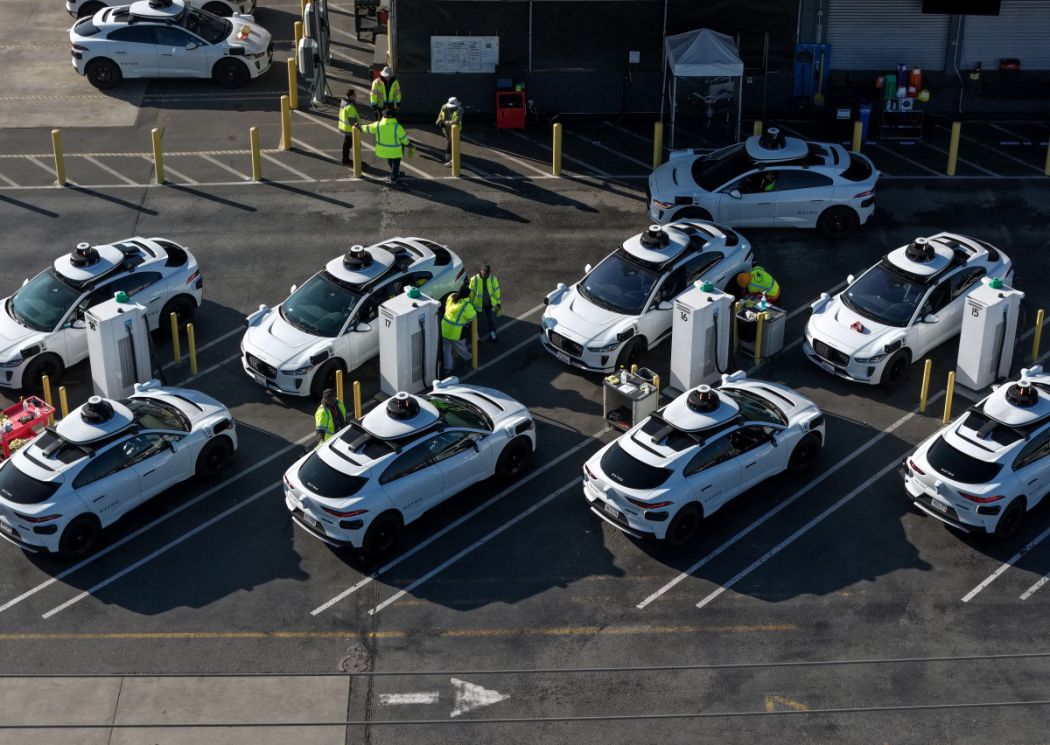
Self-driving taxi services are gradually becoming popular, despite the initial incidents. Waymo, Google's self-driving car service, continues to expand after a power outage that trapped vehicles in San Francisco.
Despite having to temporarily suspend operations for a day, the company affirmed that it will learn from experience and improve its emergency response capabilities. Many city officials and experts believe that self-driving taxis are generally safer than drivers, because they comply with traffic rules consistently. Initial negative perceptions have decreased significantly as people gained more practical experience.
Waymo currently operates thousands of vehicles in many cities and has allowed it to run on highways, including the route to the airport. Zoox of Amazon and Tesla are also testing, while Uber announced new robot taxis are about to deploy. All show that self-driving cars are no longer a distant prospect.
It's a bit of a bit of a bit of a bit of a bit of a bit.
It's a bit of a bit of a bit of a bit of a bit of a bit.


