
Create a living environment close to nature
Talking to a reporter of Lao Dong Newspaper, Mr. Dinh Huy Tri - Deputy Director of Phong Nha - Ke Bang National Park Management Board said that taking care of tigers in conservation and relocation conditions is a complex task, requiring professional procedures, skills, suitable facilities and the support of experts.
Right from the time of receipt, the unit has coordinated with experts and organizations at home and abroad to build and complete rescue and care procedures suitable to the biological characteristics of the species. The goal is not only to maintain health, prevent diseases but also to ensure animal welfare, reduce stress and maximize the instincts and natural habits of tigers.
According to Mr. Tri, the long-term goal is to contribute to species conservation, gene source conservation, maintaining health and natural habits, and creating a basis for appropriate conservation orientations in the future.
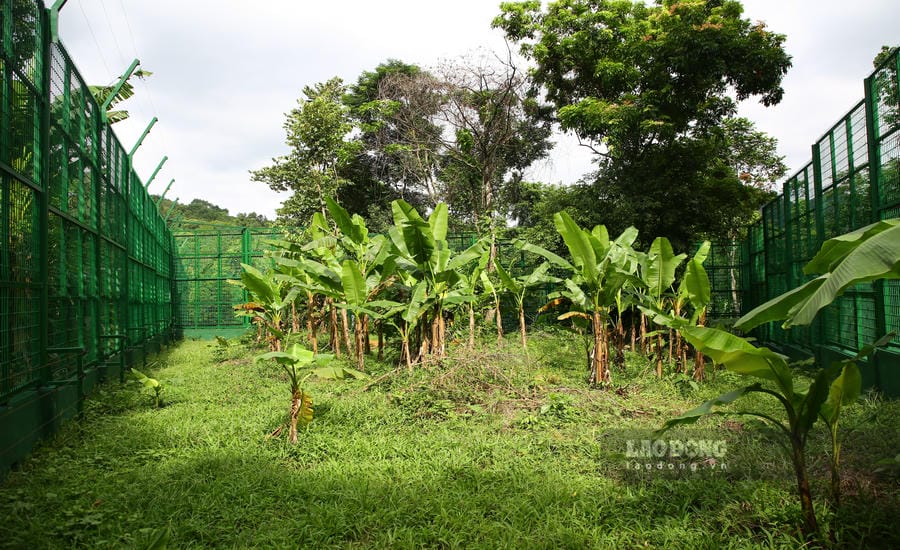
A semi-wild farming area is being built to create a living space closer to the natural environment for 7 tigers. This area creates conditions for tigers to move, enrich the living environment, reduce stress and encourage natural behaviors. The arrangement of individuals must also be based on gender, age, health, interaction and behavioral characteristics of each individual.
Our goal is not to tame tigers to adapt to captivity conditions, but on the contrary, to create a suitable care environment for individuals to maintain maximum health, instinct and natural habits," Mr. Tri said.
Along with improving the living environment, the health of tigers is regularly monitored and periodically checked according to professional procedures. Disease prevention, vaccination and veterinary measures are implemented in accordance with the condition of each individual.
Conservation associated with animal welfare and safety
According to Mr. Tri, creating a near-natural environment for tigers must also ensure safety for animals, caregivers, people and tourists.
This requirement is calculated from the stage of site selection, planning, design to construction and operation. The system of fences, isolation areas and protection items must meet the management requirements of large animals, in accordance with regulations, technical regulations and appropriate standards.
Cameras are used to support monitoring the activities and behavior of tigers. The unit is also gradually researching and applying technology, including AI, to support behavioral analysis, early detection of abnormal signs and improve monitoring efficiency.
According to Mr. Tri, tigers are wild animals with the ability to observe, remember and react quickly. Therefore, caregivers must understand species traits, strictly comply with professional and safety procedures, and absolutely not be subjective.
In addition to the conservation task, the tiger care area is oriented to serve research, environmental education and raising community awareness. Visitors' access must be carried out cautiously, with limits and control, avoiding affecting the lives, welfare and natural behavior of tigers.
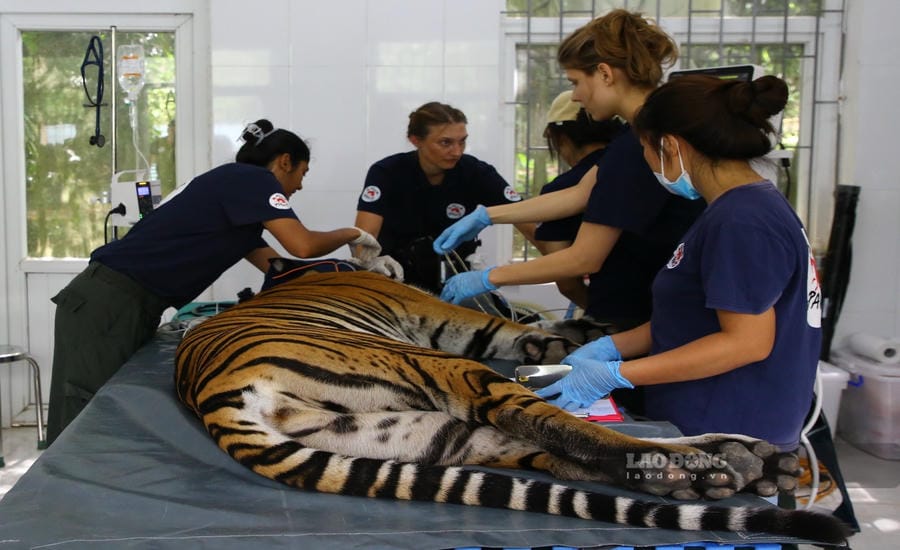
“All activities of caring for, researching, educating the environment or visiting must prioritize conservation, animal welfare and safety. Introducing tiger individuals to the public must first contribute to raising community awareness and responsibility for wildlife conservation,” Mr. Tri emphasized.
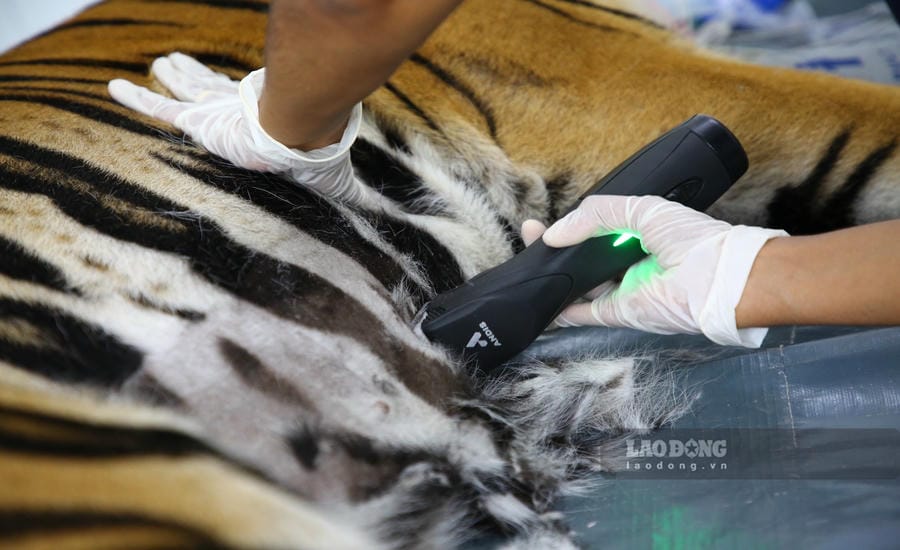
7 tigers were rescued in August 2021 from a criminal case committed by the Nghe An Provincial Police.
Previously, 7 tigers were brought to Pu Mat National Park (Nghe An) for care, and in March 2022 they were handed over to Phong Nha - Ke Bang National Park to create conditions for tigers to develop better.
This is a natural tiger breed, so when brought to the unit for nurturing and protection, Phong Nha - Ke Bang National Park has developed a care plan suitable for the species, both helping the tiger develop well and ensuring closeness to the tiger's natural habitat.


