Inflecting contemporary soul into heritage
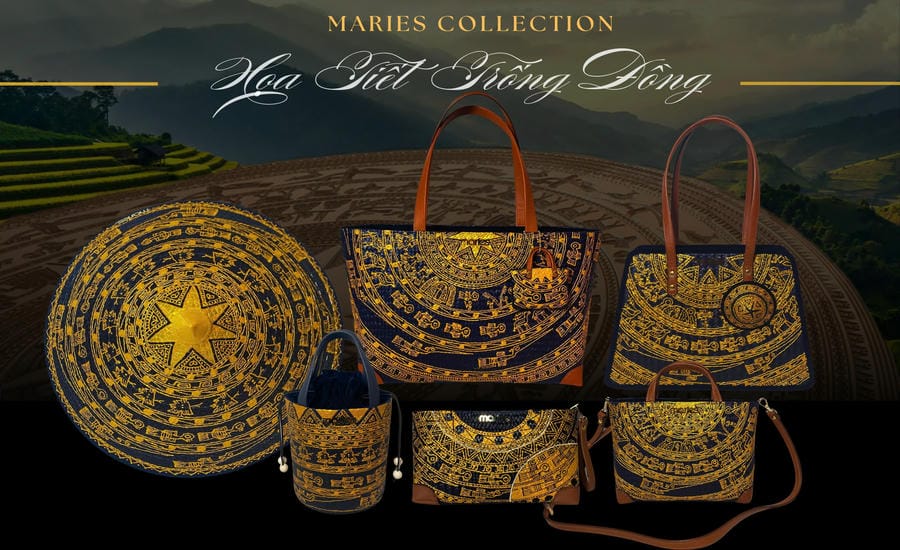
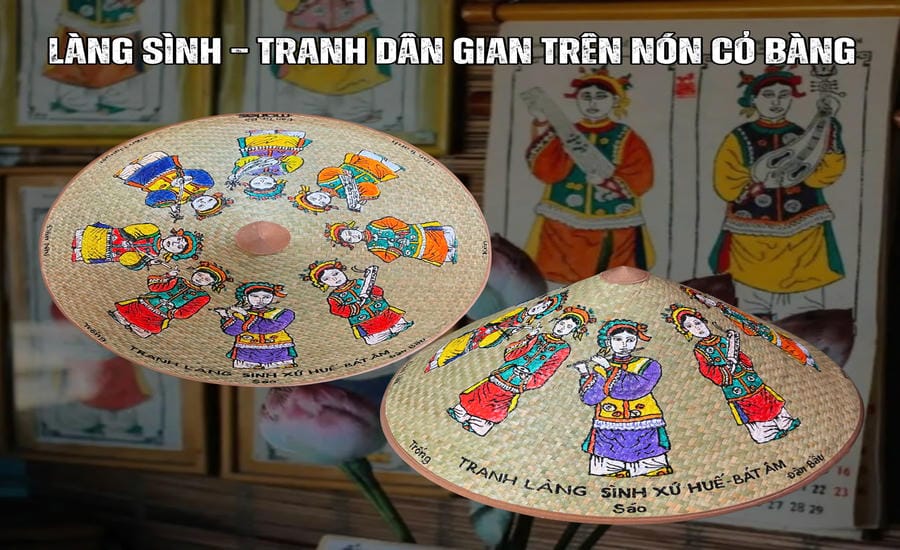
Faced with the fluctuations of the COVID-19 pandemic, Ms. Ho Suong Lan - CEO of the Maries brand - turned after more than 10 years of youth attached to the tourism industry to return to Pho Trach craft village with more than 500 years of age. Faced with the reality that young people are gradually leaving and the sedge weaving profession is facing challenges gradually receding into memory, Ms. Suong Lan decided not to stand aside. She wants to become a bridge to help the profession continue to live.
From the rustic banyan grass patches, naturally growing in the land of Hue, raw materials are harvested and carefully dried. Through the skillful knitting hands of the craft village women, each blade of grass is knitted together to "transform" into handbags and hats with modern and elegant shapes. To honor national identity on these applied fashion products, Asian-style motifs such as bronze drums, lotus flowers or ao dai have been skillfully and delicately incorporated.
I hope that when someone holds a bag of Indian almond grass in their hand, they can feel the breath of the land, the hands of workers and the peaceful beauty of Hue" - Ms. Suong Lan confided.
Green startup projects are not only about creating a simple commodity product but also a warm fire creating livelihoods for middle-aged women in craft villages, helping to preserve a part of the cultural heritage of their homeland.
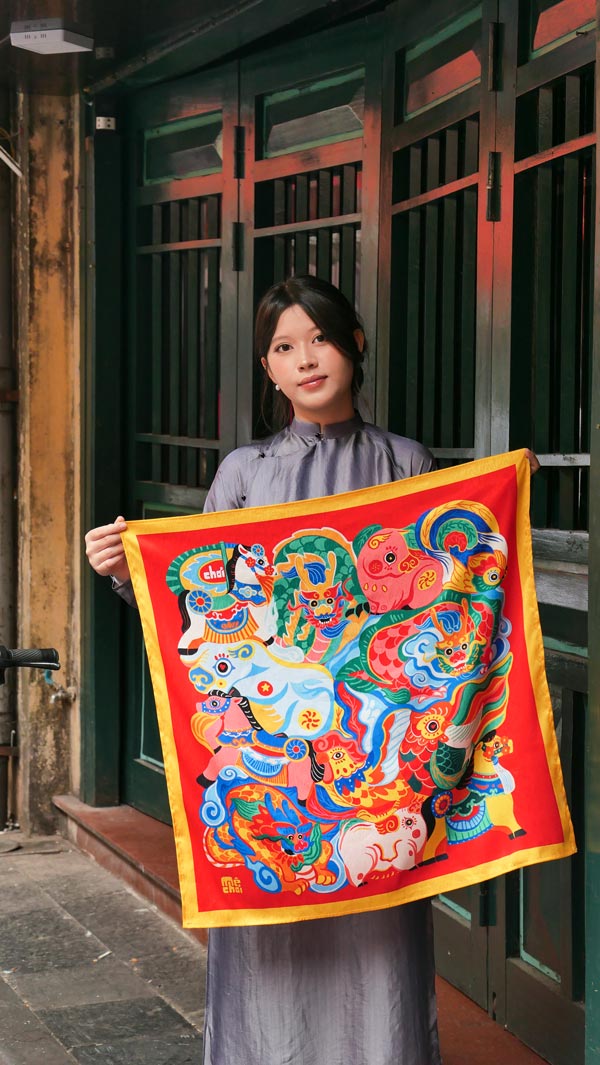
Sharing the aspiration to bring heritage into modern life, Nguyen Hong Nhung founded the project "Me Choi". Choosing to apply folk art to the collection of silk scarves with wood grains, the project draws deep inspiration from the Hang Trong painting line imbued with the sophistication of the ancient Kinh Ky land, along with the unique Kim Hoang red painting line of Xu Doai that has been lost for more than a century.
Each design of "Me Choi" is a cultural story told vividly. If the "Do Diep" scarf vividly recreates the mascot motifs through the collaboration between artisans and artists, then the "Van Ma" scarf brings a powerful breakthrough with the Kim Hoang horse motif being stylized and simplified. In particular, the "Tu Ngo" scarf has simulated a bustling chessboard, evoking a vivid memory of family reunion every Tet holiday.
Young cultural education and reaching international level
Bringing folk motifs to everyday economic products is playing the role of a double bridge, solving two problems at the same time: Identity and survival. Commenting on this issue, Hong Nhung shared: "For me, an economic product with folk motifs is not simply a commodity but a living cultural entity.
The biggest bottleneck between culture and modern life often lies in applicability. Therefore, when culture becomes useful and carries contemporary aesthetics, young people will receive it naturally". Bringing folk figures and mascots into everyday items is the most effective approach for the younger generation.
Agreeing with this perspective, Ms. Suong Lan affirmed: "Folk motifs are not only aesthetic drawings to feel with the eyes and touch with the hand, but they are also memories, identity and how Vietnamese people understand life." Through fashion products from Indian almond grass, Maries wants to tell the local story visually, helping products penetrate life naturally.
Not only successful in approaching the younger generation in the country, these products imbued with Vietnamese soul also created a strong resonance with international friends. When the tourism market recovered, Maries' sedge bags unexpectedly found their own voice, conquering foreign tourists with the uniqueness and emotion that industrial goods cannot bring.
National identity when systematically exploited is also a "strategic weapon" for businesses to create differentiation and reach out to the international market. When culture feeds the economy and the economy becomes wings to take culture far, that is when heritage truly comes back to life.
When modern economic thinking establishes a circular ecosystem, businesses with revenue will return to order from craft villages, creating sustainable cash flow to revive handicraft values such as Do paper making or weaving. Projects like Maries and "Me Choi" have brilliantly proven that: Vietnamese culture is not a burden, but a priceless asset if we know how to unleash its strength to reach further.