
Designer Dac Thang - who just created a strong media "push" when his Vietnamese fashion brand was continuously chosen by global star Lisa (BlackPink). Not stopping at a temporary phenomenon, Dac Thang's story opens up a deep insight into the strict working process with the international team and the desire to define "Made in Vietnam" on the world creative map.
Some share that each international star always has a "clothing room" gathering designs from world fashion houses and artists just have to choose the clothes they like. For you and Lisa BlackPink, how does this process take place?
- In fact, most performing stars have specific requirements for costumes to meet the project: From fit (fit form), functionality to improvisation ability on stage. Lisa is no exception. Her stylist team prepares extremely thoroughly. A costume room is the minimum requirement for design gathering, creating space for fitting sessions.
With our brand, even though we are one of the selected designers, most of the outfits we send have been contacted for confirmation that Lisa will wear them at the event. The two sides discussed details about the date of receipt, refund, measurements and recording schedule. Besides the nervousness, I was also worried about the time pressure, transportation and most importantly, the artist's comfort when wearing my design.
Making things for international stars means having no opportunity to edit directly. How do you and your team solve the "error" problem to meet the strict standards of K-Pop?
- Communication is a key factor. We are provided with detailed information about the measurements for each order. To ensure, we organize a small fitting session (wearing clothes for testing) with models with measurements similar to artists, errors not exceeding 3 - 5%. In the process of implementation, each piece of fabric and yarn must be approved by the partner before continuing to complete.
Due to limited time and time zones differences, we always prepare 2-3 steps in advance to respond and advise continuously, ensuring customers do not have to wait long.
A designer once shared that costumes for international stars are sometimes not paid for but only exchanged for media value. What about your case with Lisa BlackPink? If costumes are not worn, is that a loss-making investment?
- I understand this characteristic of the design industry, where the exchange of media rights can benefit both sides. However, my collaborations with artists are all paid or supported with costs. I really appreciate this kindness from customers. That creates for me the responsibility to be the most meticulous to meet the expectations of partners.
We always clearly agree from the cost to the ability to exploit images afterwards. Of course, there are also contracts that require strict security, limiting sharing of the implementation process.
After collaborating with Lisa, we also collaborated with many other KPop artists such as Sohara Hinata of the global girl group XG, Myoui Mina, a Japanese member of the group Twice. I think that the projects with these KPop stars are not thanks to the media effect after the collaboration with Lisa BlackPink. Our brand has independent products that create a good effect on social media space.
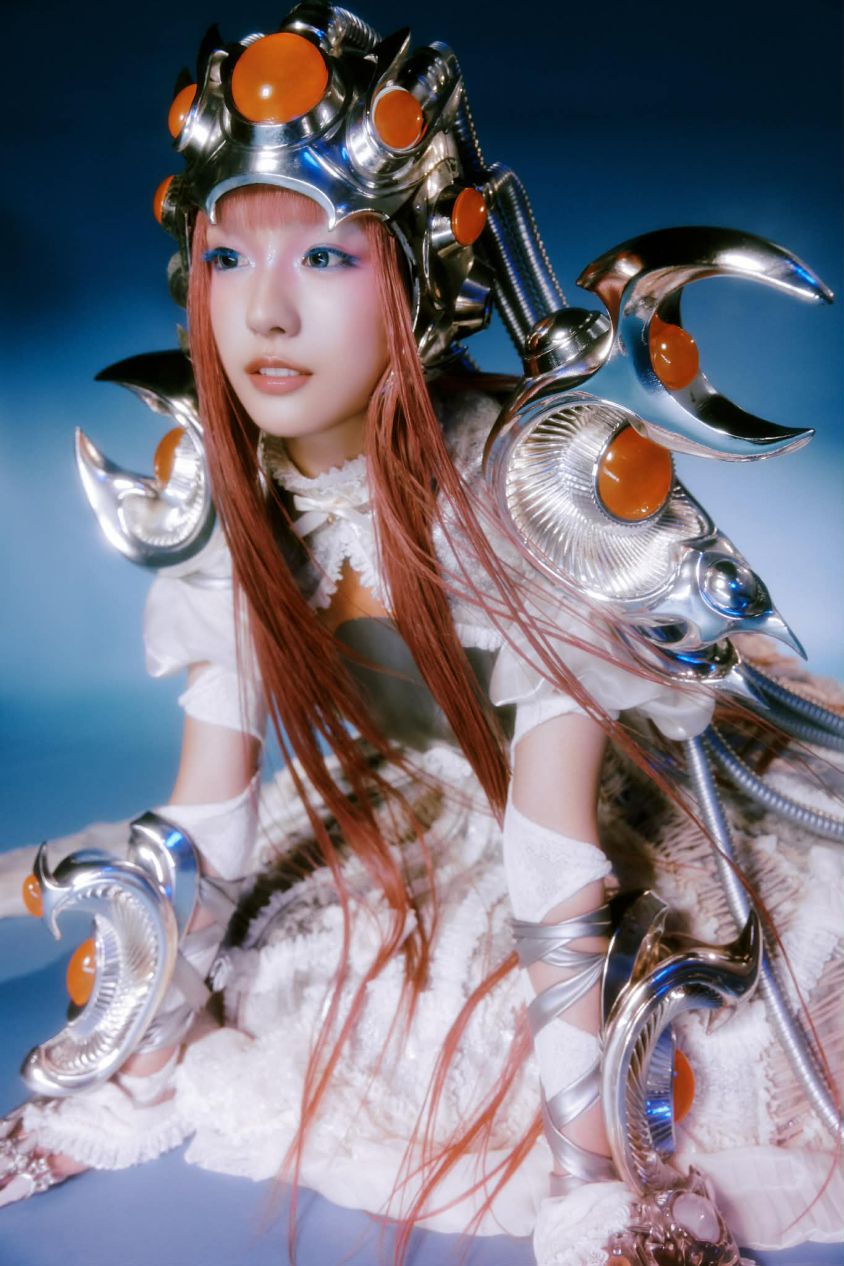
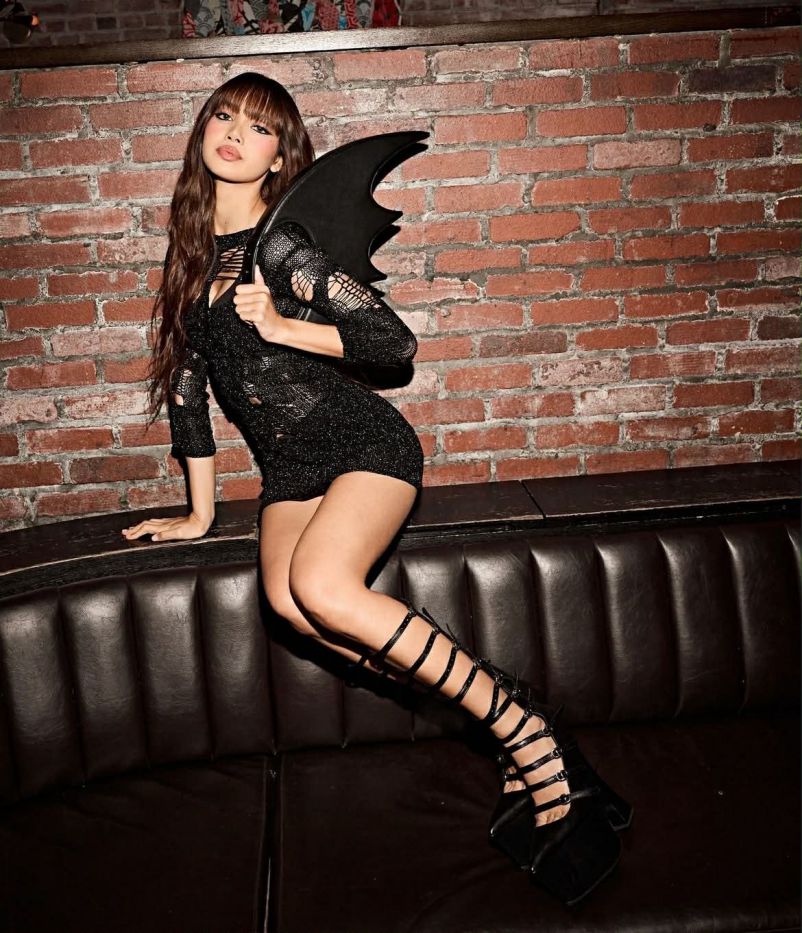
The "Lisa effect" is a huge "push". In addition to the media explosion, how does this choice change your professional thinking and business operations so that it is not just a temporary phenomenon?
- All achievements are just milestones. This effect makes me more aware of my responsibility to the product, but I don't put pressure on whether the next design will be chosen or not? My focus is on business and sustainable brand operation. Being with international stars is a gift, a reminder to me to continue to move forward to shine alongside the artists I love.
In your opinion, what is the biggest barrier that prevents Vietnamese fashion from breaking through in revenue even though its creativity is not inferior?
- Vietnam is a large "factory", but for small brands like us, the production process is still stopping at the manual level, not yet able to be completely industrialized. Large factories often have strict regulations on quantity and standards that young people like me need time to meet. Creativity must go hand in hand with production practice. I think I need to absorb more knowledge to participate more deeply in the production flow, bringing practical benefits to the country's textile and garment industry.
I want to have policies to support the restoration and maintenance of handicraft villages. For me, supporting cultural development is to go back to the roots. If the creative spirit of young people is combined with the long-standing values of craft villages, the brand's internal strength will be very solid. When the internal strength is strong, bringing cultural stories to the big sea will be much more confident.
Where do you position the strengths of Vietnamese fashion on the world map and what more factors do you need to conquer the global market?
- That is the combination of tailoring techniques, cultural identity and dynamism. Many young brands today have successfully transformed the word "Local" into "Global". The phrase "Made in Vietnam" is becoming a great pride.
To go further, we need to seriously invest, maintain dynamism and especially have faith in the product we create. It may be flashing brightly, but many stars converging together will definitely create a galaxy.


